JR East Pass Tohoku Area: Is It Still Sold? New JR EAST PASS Price, Coverage, Seat Reservations and Whether It Pays Off
The JR East Pass Tohoku and Nagano-Niigata editions ended in March 2026. The new JR EAST PASS is 35,000 yen for 5 days: coverage, booking and a winter fare test.
Quick answer
The JR EAST PASS (Tohoku area) and (Nagano, Niigata area) stopped being sold on March 13, 2026. Since March 14 they have been replaced by the new JR EAST PASS: 35,000 yen for 5 consecutive days or 50,000 yen for 10 days (children half price). It covers all JR East lines, including the JR East sections of the Tohoku, Yamagata, Akita, Joetsu and Hokuriku Shinkansen, plus the Tokyo Monorail, Aoimori Railway, IGR Iwate Galaxy Railway, Sendai Airport Line and Sanriku Railway. A Tokyo–Shin-Aomori round trip in reserved seats costs about 35,820 yen, so that alone breaks even.
If you are searching for the JR East Pass Tohoku area, know this first: the two JR East passes that used to be split into a Tohoku area and a Nagano, Niigata area are no longer sold. Since March 14, 2026 they have been merged into one new JR EAST PASS covering all of JR East. Using JR East's official pages and real fares checked in November 2026, this guide explains how to buy the new pass, what it covers, how to reserve seats, and whether it pays off on a winter Tohoku trip (Yamagata's Zao, Ginzan Onsen, Kakunodate and Aomori).
Has the JR East Pass Tohoku area been discontinued? Old vs new
Short answer: yes. In a press release dated January 28, 2026, JR East announced that the JR EAST PASS (Tohoku area) and JR EAST PASS (Nagano, Niigata area) would stop being sold on March 13, 2026, replaced by a new JR EAST PASS valid on all JR East lines[4]. Passes bought before March 13 stay valid until they expire, and the old pass pages now redirect to the new one[1].
For travelers, there are three key differences:
- No more choosing an area: the old system made you pick either Tohoku or Nagano-Niigata, which was awkward if one trip included both Aomori and Niigata. The new pass covers Aomori, Akita, Iwate, Yamagata, Miyagi, Fukushima, Nagano, Niigata, Gunma, Nikko and the Tokyo area in one ticket[1].
- Consecutive days only: the old Tohoku pass used a "any 5 days within 14 days" flexible system. The new pass runs for 5 or 10 consecutive days from the start date, and the official site gives an example showing that skipping days is not allowed[1].
- A new 10-day option: for longer trips across eastern Japan, the 10-day pass costs 50,000 yen, or 5,000 yen per day on average[1].
So older articles still describing a "Tohoku 5 flexible days" pass or a "cheaper Nagano-Niigata pass" no longer apply to the 2026–27 winter season.
How much is the JR EAST PASS? Price, validity and eligibility
Short answer: adults (12 and over) pay 35,000 yen for 5 consecutive days or 50,000 yen for 10 consecutive days; children aged 6–11 pay half[1].
| Item | Details (checked November 2026) |
|---|---|
| 5-day pass | Adult 35,000 yen / child 17,500 yen[1] |
| 10-day pass | Adult 50,000 yen / child 25,000 yen[1] |
| Validity | 5 or 10 consecutive days from the chosen date, no skipping[1] |
| Seats | Ordinary-car reserved and non-reserved; Green Car and GranClass cost extra[2] |
| Eligibility | Passport issued by a country other than Japan; Temporary Visitor status not required[3] |
| Holding limit | Only one pass at a time; validity periods cannot overlap[1] |
| Refunds | Within validity and unused, minus a 10% fee; no refund once a reserved train has departed[2] |
Common points of confusion:
- A child's age is based on the purchase date, and you need the child's passport as proof; children under 6 do not need a pass if they do not occupy a reserved seat[1].
- There is no student or youth discount[1].
- Eligibility is broader than the nationwide pass: JR East's purchase guide lists the JR EAST PASS among passes that do not require Temporary Visitor status, so foreign-passport holders working or studying in Japan can buy it; Japanese nationals cannot use it[3].
- Bring your original passport: you must show it when buying and collecting the pass, and staff may ask to see it on board[2].
JR EAST PASS coverage: which lines are included and which are not?
Short answer: all JR East lines (including BRT) on Shinkansen, limited express and local trains, plus eight other railway companies' lines and the JR–Tobu through limited expresses to Nikko and Kinugawa[2].
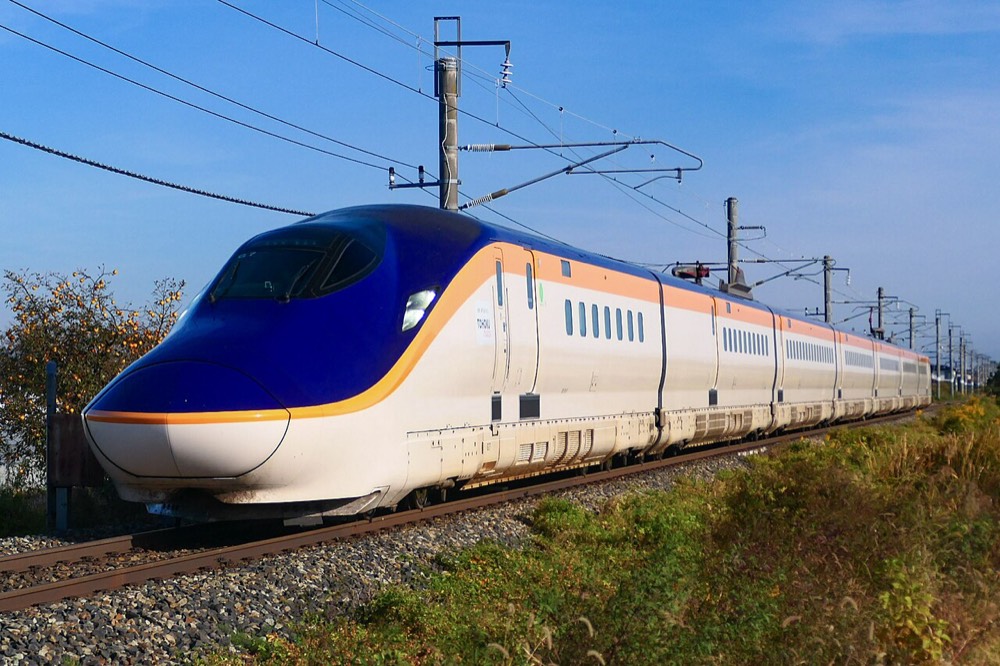
Covered (per the terms and conditions[2]):
- All JR East lines: the Tohoku Shinkansen (Tokyo–Shin-Aomori), Yamagata Shinkansen (Tsubasa, to Shinjo), Akita Shinkansen (Komachi), Joetsu Shinkansen (to Niigata and GALA Yuzawa), the JR East section of the Hokuriku Shinkansen (Tokyo–Joetsumyoko), the Narita Express (N'EX), and regional lines and BRT
- The entire Tokyo Monorail (Hamamatsucho–Haneda Airport)
- The entire Aoimori Railway and IGR Iwate Galaxy Railway, so the former Tohoku Main Line between Hachinohe and Aomori and between Morioka and Metoki is included
- The entire Sendai Airport Line, between Sendai Airport and the city
- The entire Sanriku Railway, the entire Hokuetsu Express (Hokuhoku Line), and Echigo Tokimeki Railway between Naoetsu and Arai
- Ordinary reserved seats on the JR–Tobu through limited expresses Nikko, Kinugawa and SPACIA Kinugawa, plus local trains on the Tobu Line between Shimo-Imaichi and Tobu-Nikko / Kinugawa-Onsen
- Some JR Bus routes within the area (excluding highway buses and certain routes)
Not covered:
- The Tokaido Shinkansen (run by JR Central), so no Tokyo to Kyoto or Osaka[1]
- Izukyu and Fujikyu lines (the official page says they are outside the area)[1]; for Kawaguchiko or Izu-Shimoda, the JR Tokyo Wide Pass fits better
- The Hokkaido Shinkansen north of Shin-Aomori (JR Hokkaido); you pay extra to reach Hakodate
- Tobu limited expresses that start and end on Tobu stations (for example, those departing Asakusa)[1]
- Tokyo subways, private buses, the Yamako bus from Yamagata Station to Zao Onsen, and the bus from Oishida Station to Ginzan Onsen
JR EAST PASS vs Japan Rail Pass vs JR Tokyo Wide Pass
Short answer: if your trip stays north and east of Tokyo (Tohoku, Niigata, Nagano), choose the JR EAST PASS; consider the nationwide pass only if you are also going to Kansai or Kyushu; for 3 days in the Kanto region, choose the Tokyo Wide Pass.
| Feature | JR EAST PASS 5 days | JR EAST PASS 10 days | Japan Rail Pass 7 days (Ordinary) | JR Tokyo Wide Pass |
|---|---|---|---|---|
| Adult price | 35,000 yen[1] | 50,000 yen[1] | 50,000 yen online / 53,000 yen from overseas agents[7] | 16,000 yen[1] |
| Days | 5 consecutive | 10 consecutive | 7 consecutive | 3 consecutive |
| Tohoku, Yamagata, Akita Shinkansen | Yes | Yes | Yes | No (Kanto area only) |
| Joetsu, Hokuriku Shinkansen | Yes (Hokuriku to Joetsumyoko) | Yes (Hokuriku to Joetsumyoko) | Yes | Some sections |
| Tokaido Shinkansen | No | No | Yes (Nozomi needs an add-on) | No |
| Fujikyu, Izukyu | No | No | No | Yes |
| Eligibility | Foreign passport | Foreign passport | Temporary Visitor and other conditions | Foreign passport |
For a full breakdown of when the nationwide pass pays off, see Is the JR Pass worth it. One point here: for 7 days only in eastern Japan, the nationwide pass costs more than the 10-day JR EAST PASS and gives fewer days, so there is no reason to choose it.
Two passes run jointly with JR Hokkaido are also worth comparing: the JR Tohoku-South Hokkaido Rail Pass costs 32,000 yen for 6 consecutive days, and the JR East-South Hokkaido Rail Pass costs 40,000 yen for 6 consecutive days; both reach the Hakodate, Sapporo and Otaru areas[4]. If you are traveling from Tohoku into Hokkaido, look at these two first; for passes within Hokkaido, see the Hokkaido Rail Pass guide.
Is the JR EAST PASS worth it? Real fares for a 5-day winter Tohoku trip
Short answer: on this 5-day winter route, Tokyo → Yamagata/Zao → Ginzan Onsen → Sendai → Kakunodate → Aomori → Tokyo, separate JR tickets cost about 49,970 yen. The 5-day JR EAST PASS costs 35,000 yen, saving about 14,970 yen.
Fare source: Yahoo! Transit searched for Wednesday, February 3, 2027, with Shinkansen and limited express in ordinary reserved seats and each leg bought separately[6]. Reserved-seat charges vary by a few hundred yen by season, and through tickets for long continuous journeys can be slightly cheaper, so treat the table as a close estimate.
| Day | Leg (main train) | Separate tickets | JR EAST PASS |
|---|---|---|---|
| Day 1 | Tokyo → Yamagata (Tsubasa, about 2 h 58 min) | 11,470 yen | 0 |
| Day 1 | Yamagata Station → Zao Onsen (Yamako Bus) + Zao Ropeway round trip | 1,200 + 4,400 yen | Not covered, pay separately |
| Day 2 | Zao Onsen → Yamagata Station (Yamako Bus) | 1,200 yen | Not covered, pay separately |
| Day 2 | Yamagata → Oishida (Tsubasa, about 39 min) | 1,480 yen | 0 |
| Day 2 | Oishida Station → Ginzan Onsen (Hanagasa Bus) | about 1,000 yen | Not covered, pay separately |
| Day 3 | Oishida → Uzen-Chitose → Sendai (Ou Line + Senzan Line local trains) | 1,790 yen | 0 |
| Day 4 | Sendai → Kakunodate (Komachi, about 1 h 34 min) | 8,930 yen | 0 |
| Day 4 | Kakunodate → Morioka → Shin-Aomori (Komachi + Hayabusa) | 8,390 yen | 0 |
| Day 5 | Shin-Aomori → Tokyo (Hayabusa, about 3 h 29 min) | 17,910 yen | 0 |
| JR total | 49,970 yen | 35,000 yen |
Buses and the ropeway add about 7,800 yen either way, so they do not change the comparison. Zao Ropeway fares, the snow monster season and light-up information are in the Zao snow monsters 2027 guide. Ginzan Onsen restricts day visitors in winter with a reservation-based shuttle, and route bus passengers may also have to transfer on the way, so check the Ginzan Onsen winter guide before you go.
The smoothest way to schedule the 5 days
Times are examples from the same search date and are for reference only; check JR East timetables for your actual date[6].
- Day 1: Take Tsubasa 127 from Tokyo at 08:07, arriving in Yamagata at 11:05. Take the bus about 40 minutes to Zao Onsen and ride the ropeway to see the snow monsters in the afternoon (in past seasons the last ride up was around 16:00). Stay in Zao Onsen.
- Day 2: After a morning soak, take the bus back to Yamagata Station, ride Tsubasa about 40 minutes to Oishida, and transfer to the bus to Ginzan Onsen. See the gas lamps light up at dusk and stay in Ginzan Onsen.
- Day 3: Return to Oishida and take local trains, for example departing 11:54, changing to the Senzan Line at Uzen-Chitose and arriving in Sendai at 14:17. To visit Yamadera, get off at Yamadera Station and catch a later train. Stay in Sendai.
- Day 4: Take Komachi 3 from Sendai at 09:05, arriving in Kakunodate at 10:39. Walk the samurai district, then in the afternoon take Komachi to Morioka and change to Hayabusa for Shin-Aomori. Stay in central Aomori (the Ou Line from Shin-Aomori to Aomori is also covered).
- Day 5: Take Hayabusa 16 from Shin-Aomori at 10:39, arriving in Tokyo at 14:08.
This route never involves a very long ride on any single day, but the total adds up. If you arrive at Narita Airport, set the pass start date to the day after arrival and buy an N'EX ticket on arrival day (Narita Airport to Tokyo reserved seat, 3,140 yen)[6], so you do not waste a pass day. If you have a lot of luggage, use luggage delivery in Japan to send big suitcases ahead to your last night's hotel.
A simpler break-even test
If you do not want to price the whole trip, use these legs to get a feel (ordinary reserved one-way fares from the same February 3, 2027 search)[6]:
| Route | One way | Round trip | Vs 5-day pass 35,000 yen |
|---|---|---|---|
| Tokyo ↔ Shin-Aomori | 17,910 yen | 35,820 yen | Breaks even on the round trip alone |
| Tokyo ↔ Akita | 18,260 yen | 36,520 yen | Breaks even on the round trip alone |
| Tokyo ↔ Sendai | 11,430 yen | 22,860 yen | About 12,000 yen short |
| Tokyo ↔ Yamagata | 11,470 yen | 22,940 yen | About 12,000 yen short |
| Tokyo ↔ Niigata | 10,450 yen (non-reserved) | 20,900 yen | About 14,000 yen short |
| Tokyo ↔ Nagano | 8,250 yen | 16,500 yen | Far short |
JR East's own example is Narita Airport via Tokyo to Sendai and Aomori, about 52,000 yen in separate tickets[1]. In short: if your trip includes a round trip to Aomori or Akita, the 5-day pass almost always pays off; if you only go to Sendai, Yamagata or Niigata, you need one or two more long legs to make it worthwhile.
How to buy the JR EAST PASS: online purchase and pickup steps
Short answer: the easiest way is to buy online through JR-EAST Train Reservation before your trip and reserve seats at the same time, then collect the pass in Japan with your passport at a reserved-seat ticket machine[3].
- Buy online: register on JR-EAST Train Reservation[8], choose the JR EAST PASS, set the start date and pay by credit card. You can also buy an exchange order from a partner travel agency overseas, or buy at a station after arriving in Japan[3].
- Reserve seats at the same time: you can reserve seats while buying online, from one month before travel[3]. Tsubasa and Komachi have limited seats on winter weekends, over New Year and during February's Zao snow monster peak, so book as soon as your dates are fixed.
- Collect in Japan: at a designated station, scan the IC chip of your original passport at a reserved-seat ticket machine with a passport reader, or go to a Travel Service Center counter[3]. Passport copies are not accepted.
- Enter the gates: the pass is a paper ticket and works in automatic gates at JR East stations; remember to take it back. On non-JR East lines (such as Aoimori Railway or IGR), use the staffed gate[2].
How to reserve seats with the JR EAST PASS: 3 ways and all-reserved trains
Short answer: ordinary reserved seats are free and unlimited, but Hayabusa, Komachi, Tsubasa, Nikko, Kinugawa and SPACIA Kinugawa are all-reserved, so you cannot board without a seat reservation[2].

Three ways to reserve[3]:
| Method | Best for | Notes |
|---|---|---|
| JR-EAST Train Reservation online | Trains already decided before the trip | Opens one month ahead; reserve before collecting the pass |
| Reserved-seat ticket machine | Changing trains at short notice in Japan | No queue; machines have Chinese and English screens |
| Ticket office or Travel Service Center | Complex itineraries or needing staff help | Long queues in peak season |
Common issues when reserving:
- Trains like the Narita Express, Hitachi, Azusa and Fuji Excursion have all ordinary seats reservable; you can board without a reservation but may only sit in unreserved empty seats and must give up a seat someone has reserved[2].
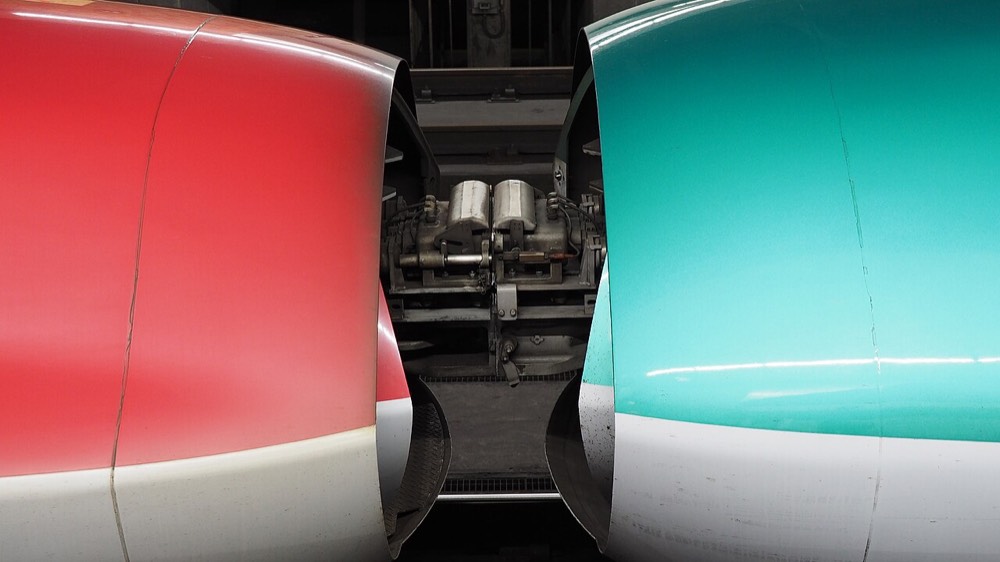
- Tsubasa and Komachi run coupled with Tohoku Shinkansen trains: between Tokyo and Fukushima (Tsubasa) or Morioka (Komachi) two trains run joined together, so check your car number is on the Tsubasa or Komachi side, not a Hayabusa or Yamabiko car. For the Shinkansen booking screens and oversized luggage rules, see the Shinkansen booking guide.
- Green Car and GranClass are not included; to upgrade you pay the limited express charge plus the Green fee, not just the difference[2].
- Cancel first if you will not ride: once a reserved train has departed, that seat ticket cannot be refunded, and it also affects refunding the pass[3].
Who should and should not buy the JR EAST PASS?
Short answer: it suits eastern Japan trips with long, cross-prefecture rides within 5 or 10 days; it does not pay off if you stay in one or two cities.
Good fit:
- Travelers going from Tokyo to distant places like Aomori, Akita or Morioka (a Tokyo–Shin-Aomori round trip alone is about 35,820 yen)
- Winter travelers linking Zao's snow monsters, Ginzan Onsen, Kakunodate and Aomori in one route
- Travelers who want both Tohoku and Niigata or Nagano in one trip (the old passes forced a choice; the new one covers both)
- Foreign-passport holders working or studying in Japan who do not qualify for the nationwide Japan Rail Pass
Not a good fit:
- Travelers visiting only Sendai or Yamagata with one round trip: Tokyo ↔ Sendai is about 22,860 yen, much cheaper than the 5-day pass
- Itineraries with several days in one city without train rides: the consecutive-day rule wastes days, so use the pass only for your 5 busiest travel days
- Travelers focused on Mt. Fuji, Kawaguchiko or Izu: Fujikyu and Izukyu are not covered, so look at the Tokyo Wide Pass instead
- Travelers continuing to Kyoto or Osaka: the Tokaido Shinkansen is not covered
- Travelers heading from Tohoku to Hakodate: the Hokkaido Shinkansen is not covered, so compare the two passes run with JR Hokkaido
Before you go
- Map out the long legs you will ride each day and add up single fares with Yahoo! Transit or JR East's search tools; buy the pass only if the total exceeds 35,000 yen (5 days) or 50,000 yen (10 days).
- Heavy snow often delays or cancels trains in Tohoku in winter, and the pass is not extended or refunded for that, so keep the schedule loose and avoid booking an international flight on the last day[2].
- If you want to add Nikko, the JR EAST PASS covers the JR–Tobu through limited expresses; see the Nikko day trip guide for planning, but remember Tobu limited expresses from Asakusa are not covered.
FAQ
Can I still buy the JR East Pass Tohoku area?
No. JR East announced that the Tohoku area and Nagano, Niigata area passes stopped being sold on March 13, 2026; passes bought before then remain valid until they expire. What you buy now is the new JR EAST PASS, valid from March 14, 2026, and the old web pages redirect to it.
Can the new JR EAST PASS be used on non-consecutive days?
No. It is valid for 5 or 10 consecutive days from the start date you choose, with no skipped days. If you will spend two or three days in one city without long train rides, move the pass start date later and buy single tickets for the days before or after.
Does the JR EAST PASS cover the Hokkaido Shinkansen to Hakodate?
No. North of Shin-Aomori the Hokkaido Shinkansen belongs to JR Hokkaido, so you pay the fare and express charge separately. If Hakodate is on your route, compare the JR Tohoku-South Hokkaido Rail Pass (6 days, 32,000 yen) or the JR East-South Hokkaido Rail Pass (6 days, 40,000 yen).
Can foreign residents of Japan buy the JR EAST PASS?
According to JR East's purchase guide, the JR EAST PASS only requires a passport issued by a country other than Japan; Temporary Visitor status is not required, unlike the nationwide Japan Rail Pass. You must show the original passport when buying and collecting the pass, and it must be valid throughout the pass period.
Does the JR EAST PASS cover buses to Zao Onsen or Ginzan Onsen?
No. The bus from Yamagata Station to Zao Onsen is run by Yamako Bus and the bus from Oishida Station to Ginzan Onsen by Hanagasa Bus; neither is a JR bus, so you pay separately. The pass only covers some JR Bus routes in its area, excluding highway buses and certain lines.
Do I need seat reservations for Hayabusa and Komachi with the JR EAST PASS?
Yes. Hayabusa, Komachi and Tsubasa are all-reserved trains, so you cannot board without a seat ticket. Ordinary-car reservations are free and can be made online from one month before travel, or at station reserved-seat ticket machines and ticket offices.
Sources
- JR East | JR EAST PASS: Prices of 35,000 / 50,000 yen, 5 or 10 consecutive days, covered and excluded lines, official savings example (checked November 5, 2026)
- JR East | JR EAST PASS Terms and Conditions: Eligibility, all-reserved trains, Green Car surcharges, 10% refund fee (March 2026 edition)
- JR East | How to buy a pass: Online purchase, pickup at passport-reader ticket machines, eligibility, reservations one month ahead, refund rules
- JR East press release on new passes for international visitors (January 28, 2026): Old Tohoku and Nagano-Niigata passes ended sales March 13, 2026; coverage, sale dates and price changes for other passes
- JNTO | Certain JR passes are about to get more convenient: New passes and price revisions from March 14, 2026
- Yahoo! Transit (Yahoo!路線情報): Ordinary-car reserved fares and times searched for Wednesday, February 3, 2027 (searched November 5, 2026)
- JAPAN RAIL PASS official site: Types and prices: Nationwide Ordinary 7-day pass 50,000 yen online, 53,000 yen from overseas agents
- JR-EAST Train Reservation: JR East's online booking and seat reservation site for international visitors
Fares, opening hours and event dates can change. Information checked on 2026.11.05; please confirm with official sources before you go.