Lake Toya Guide: Where to Stay, Winter Fireworks, Getting There from Sapporo and a 2-Day Itinerary
Lake Toya: where to stay (Toyako Onsen, Windsor, Sobetsu, Rusutsu), winter fireworks dates, JR and bus fares from Sapporo, Usuzan Ropeway and a 2-day plan.
Quick answer
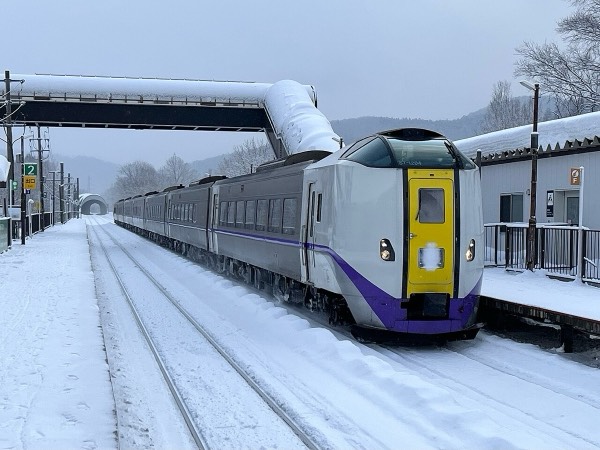
From Sapporo, the JR Limited Express Hokuto reaches Toya Station in about 1 hour 55 minutes, then a Donan Bus takes about 20 minutes and costs 400 yen to Toyako Onsen. Donan Bus's Sapporo–Toyako line also runs direct in about 2 hours 45 minutes for 3,700 yen, reservation required. The best base is the lakeside Toyako Onsen town. In 2026 the winter fireworks ran nightly from February 3 to 12 at 20:30 for about 8 minutes; the 2027 dates had not been officially announced as of November 19, 2026. The Usuzan Ropeway runs in winter, 2,000 yen round trip.
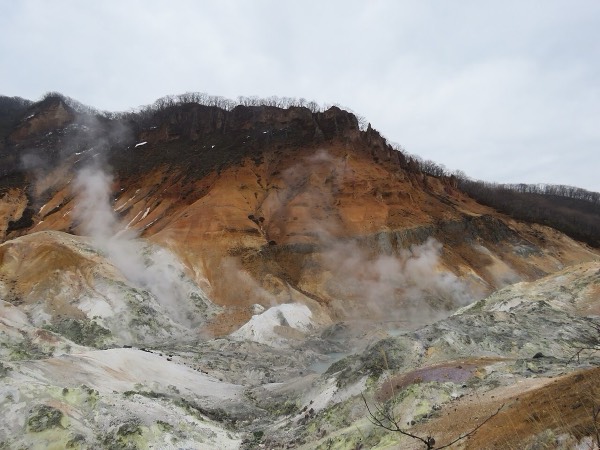
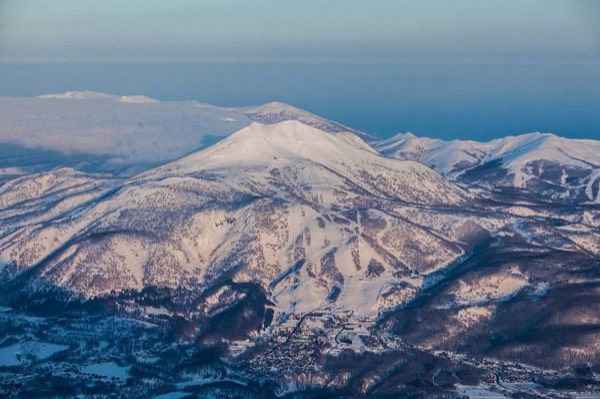
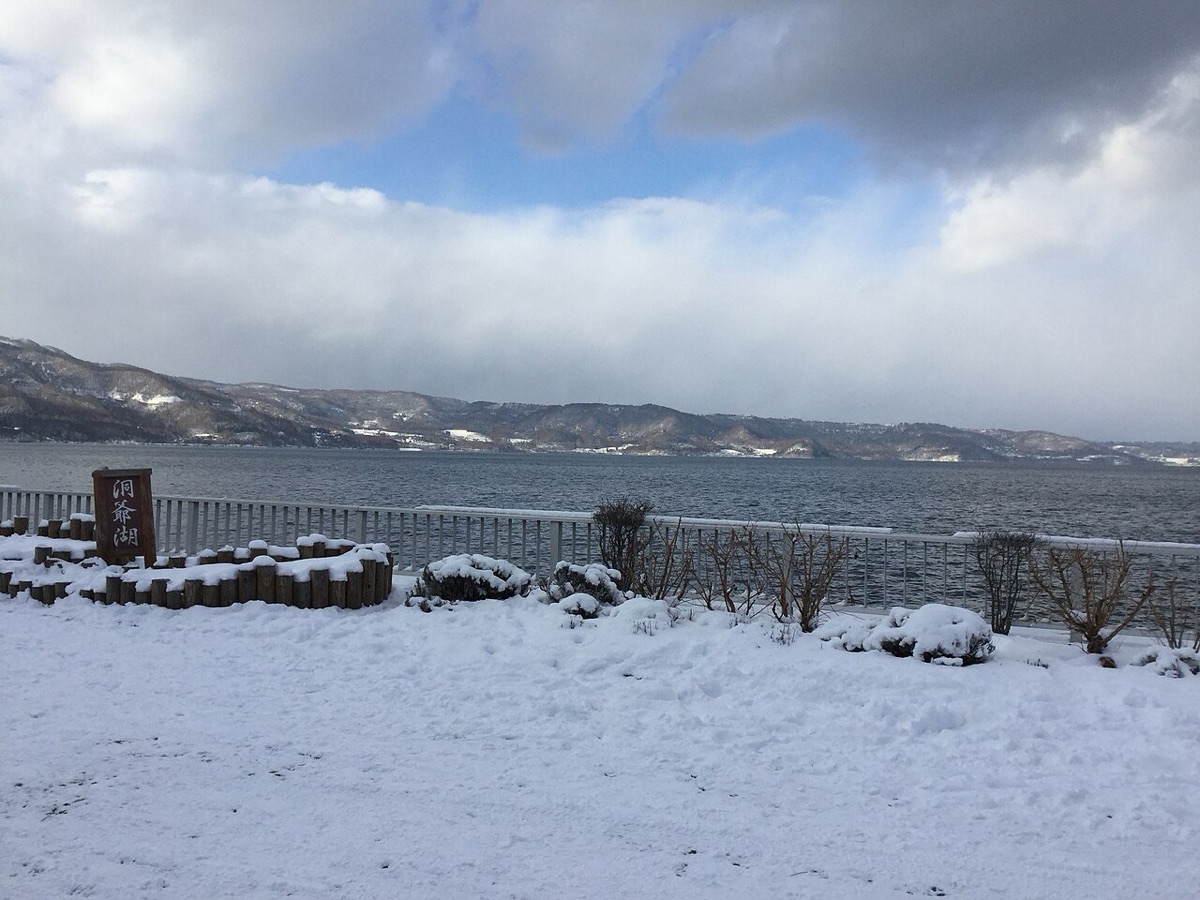
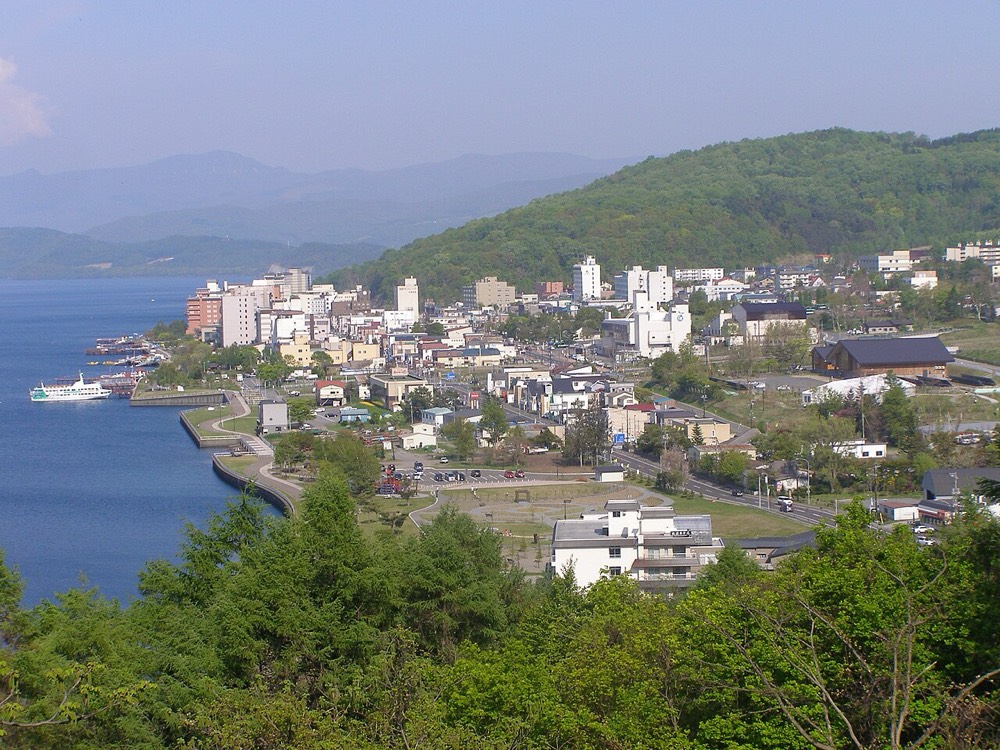
Lake Toya (洞爺湖, Toyako) is a caldera lake in southern Hokkaido with the Nakajima islands at its center. Toyako Onsen, the hot spring town on the south shore, sits right on the water with active Mt. Usu behind it. It is about 2 hours 15 minutes from Sapporo by JR, so many travelers make it a one-night trip. This guide starts with the two most common questions, whether the winter fireworks are on in 2027 and which area to stay in, then covers getting there from Sapporo and New Chitose Airport, which sights stay open in winter, free footbaths and day-use baths, and finally a winter itinerary built around real timetables, with costs.
Lake Toya Winter Fireworks: How 2026 Worked and Whether 2027 Is Announced
The bottom line: as of November 19, 2026, the Toyako Onsen Winter Fireworks dates for 2027 have not been officially announced. The Toyako Onsen Tourism Association's event page still shows the 2026 content[1]; one event listing site already shows "February 3 to 12, 2027", but that is not an official announcement and is for reference only.
In recent years the winter fireworks have run in early February, around the same time as the Sapporo Snow Festival. Here is how the 2026 edition worked, as a reference for 2027:
| Item | 2026 (past-year reference) |
|---|---|
| Dates | February 3 (Tue) to February 12 (Thu), 10 nights in a row |
| Time | Nightly from 20:30 for about 8 minutes; cancelled in strong wind, held in rain |
| Launch site | Toyako Kisen head office pier, about 10 minutes' walk from Toyako Onsen Bus Terminal |
| Cost to watch | Free |
| Special viewing booth | 40 people per day, standing, gather at 20:20, 800 yen, includes sweet red bean soup from a local confectioner, buy in advance on the dedicated website |
Dates, time and venue are from the tourism association[1] and Hokkaido's official tourism site[18]; the roughly 450 shells per night and the booth price are from Walkerplus[2]. The show lasts only 8 minutes, so if you stay in the hot spring town you can stroll over after dinner. Some lake-facing hotel rooms can see it too, so ask when booking.
Summer's Lake Toya Long-Run Fireworks
Besides the winter show, Lake Toya is better known for the summer Lake Toya Long-Run Fireworks (洞爺湖ロングラン花火大会): in 2026 it ran every night from April 28 to October 31 at 20:45 for about 20 minutes, held in rain but possibly cancelled in unstable wind[3]. The 2027 season has not been officially announced either; in past years it has started in late April and ended at the end of October. During the season Toyako Kisen runs a fireworks viewing cruise, about 20:35 to 21:20, 1,900 yen for adults[10].
An Illumination Tunnel Outside Fireworks Season
Another winter evening option is the illumination tunnel at Nigiwai Hiroba in the center of the hot spring town: about 70 meters long with about 400,000 bulbs, lit daily 17:00 to 22:00 from November 1, 2026 to February 28, 2027, and 18:00 to 22:00 from March 1 to April 27[4]. It is free and right on the way for an after-dinner walk.
Where to Stay at Lake Toya: Hot Spring Town, Hilltop, Sobetsu or Rusutsu
The bottom line: for a first visit by public transport, stay in Toyako Onsen town. The bus terminal, cruise pier, fireworks site and footbaths are all within walking distance, and most hotels have hot spring baths. The other areas each have their appeal, but almost all of them require a car or a hotel shuttle.
| Area | Location and type | Access | Best for |
|---|---|---|---|
| Toyako Onsen town | South shore lakefront; large hot spring hotels, small inns and guesthouses | 15–30 minutes by bus from Toya Station; terminus of the direct Sapporo bus | First-timers, travelers without a car, fireworks and illumination |
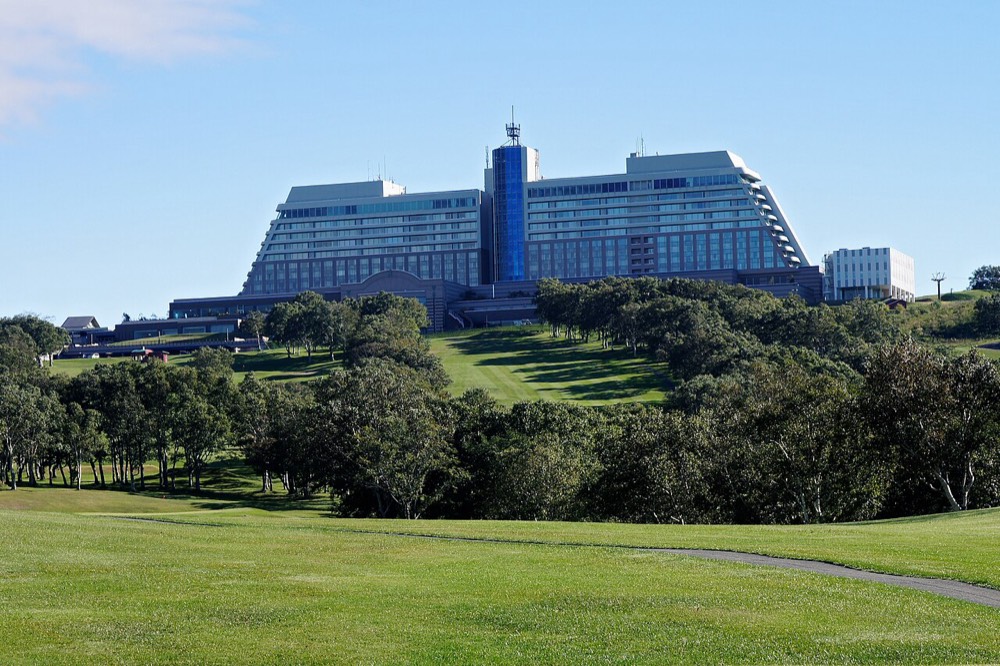
| Hilltop resort (The Windsor Hotel Toya) | Hilltop between the lake and the Pacific; luxury resort | Mainly car, taxi or hotel shuttle | Views and facilities, bigger budgets, drivers |
| Sobetsu side | Southeast shore, near Showa-shinzan and the Usuzan Ropeway | Few buses; easier by car | First ropeway car up Mt. Usu, quiet stays |
| Naka-Toya and north shore | North shore; small inns, guesthouses and campgrounds | Poor public transport; a car is nearly essential | Lake loop drives, avoiding crowds |
| Rusutsu Resort | Ski resort in the mountains north of Lake Toya | In winter most people drive or take ski buses | Skiing first, with a day at Lake Toya |
We do not list hotel rates, because prices swing widely by date and plan; compare them on each hotel's site or a booking site. Here is how each area actually feels to stay in.
Toyako Onsen town: Hotels line the lakeshore, so a lake-side room gives you views of the lake and Nakajima. The tourism association lists 8 day-use bathing facilities alone[12], and the large hotels mostly have big hot spring baths. The downside is that big hotels popular with tour groups are concentrated here; for quiet, pick a smaller inn.
The Windsor Hotel Toya: Set on a hilltop, it hosted the 2008 G8 summit and looks down over the whole of Lake Toya and the Pacific on the other side. The downside is a mountain road between it and the hot spring town; driving it in winter calls for snow experience, and it is not set up for going down to town every day.
Sobetsu and Naka-Toya: A little farther from the busy hot spring town, with fewer rooms and quiet nights. Donan Bus does run a route from Toyako Onsen via Sobetsu Onsen to Showa-shinzan[17], but departures are few and winter operation should be checked on the official site, so these areas suit drivers. For winter driving, read our Hokkaido winter driving guide first.
Rusutsu: If skiing is the main goal in winter, staying at Rusutsu and setting aside one day for Lake Toya makes more sense; see our Hokkaido ski guide for resort details.
Sapporo to Lake Toya: JR, Direct Bus or Driving?
The bottom line: for speed and frequent departures, take the JR Limited Express Hokuto to Toya Station and change to a bus; to avoid transfers or with lots of luggage, take the Donan Bus direct to the hot spring town. From New Chitose Airport, JR with a transfer is the main option; as of November 2026 we could not find a daily scheduled direct airport bus.
| From | How | Time | Adult one-way fare |
|---|---|---|---|
| Sapporo Station | JR Limited Express Hokuto to Toya Station + Donan Bus | About 1 hr 55 min by train + 15–30 min by bus, about 2 hr 15–20 min total | JR 6,690 yen + bus 400 yen |
| Sapporo Ekimae | Donan Bus Sapporo–Toyako line direct to the hot spring town | About 2 hr 45 min | 3,700 yen, reservation only |
| New Chitose Airport | JR rapid to Minami-Chitose, change to the Limited Express Hokuto to Toya Station + Donan Bus | Depends on connections | See JR Hokkaido |
| Sapporo (driving) | National Route 230 via Jozankei and Nakayama Pass | About 2 hr 10 min | Fuel and rental car extra |
Travel times are from Hokkaido's official tourism site[8] and the tourism association's access page[5]; the JR fare is from JR Hokkaido's Chinese fare page (the Hokuto is all reserved seats, no unreserved cars)[7]; the direct bus is from Donan Bus's website[6].
Step by Step by JR
- Reserve a seat on the Limited Express Hokuto through JR Hokkaido's or JR East's online booking system (the Hokuto is all reserved, so you cannot board without a seat). The Hokkaido Rail Pass covers it, but you still need a seat reservation.
- Get off at Toya Station and take the Donan Bus bound for "Toyako Onsen (洞爺湖温泉)" from in front of the station. The fare is 400 yen.
- On the timetable valid from October 1, 2026, there are about 16 buses a day from Toya Station to the hot spring town, first at 8:13 and last at 19:48; from the hot spring town back to the station the first is 7:00 and the last 18:50[5]. Your stop depends on your hotel; after the Toyako Onsen terminal the bus continues through the east side of town.
- On the way back, line up with the express times: the last bus leaves the hot spring town at 18:50, so if you want an evening express to Sapporo, check the connection in advance.
Notes on the Direct Bus
Donan Bus's Sapporo–Toyako line leaves from stop 7 at Sapporo Ekimae. In November 2026 the website lists four departures, 7:40, 11:30, 14:10 and 16:10, and you must book online at least 2 hours before departure from the first stop[6]. When roads are snowy, the section over Nakayama Pass can run late, so do not plan a tight arrival.
What to Weigh Before Driving in Winter
Route 230 from Sapporo over Nakayama Pass is a mountain road that is often snowy and icy in winter; the Do-o Expressway to Abuta-Toyako IC is easier to drive but longer. Without snow-driving experience, take JR in winter instead; our Hokkaido without a car guide can help you decide.
Lake Toya Sights: Open in Winter vs. Wait for Spring
Lake Toya's sights fall into three groups: those within walking distance of the hot spring town, those around Mt. Usu that need transport, and those open only in summer. Before a winter trip, check which ones are open.
Toyako Onsen Town and the Lakeside Promenade
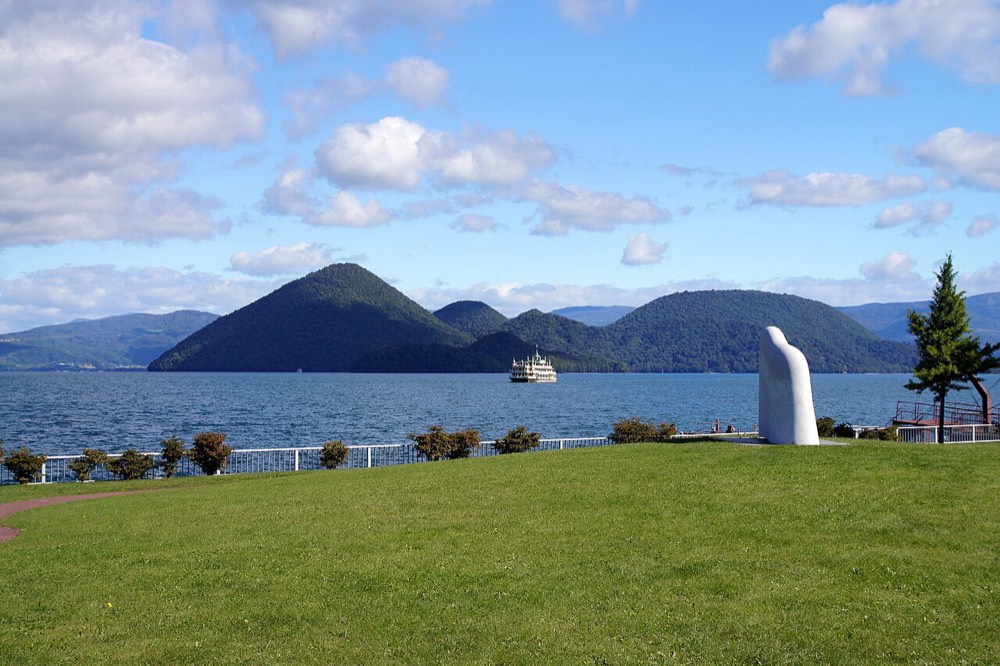
The hot spring town itself is the main sight: the lakeside promenade is part of the Toyako Gurutto Sculpture Park, with 58 outdoor sculptures around the whole lake[11], and a short walk brings views of Nakajima and the cruise boats. The promenade gets snowy in winter, so non-slip shoes are safer; see our Hokkaido winter clothing guide for what to wear.
In town, the Toyako Visitor Center and Volcano Science Museum explains Mt. Usu's eruption history with photos, models and video. From October to March it opens 10:00 to 16:00, closed Mondays (or the next day after a holiday) and December 29 to January 3[11]. It is a good half hour on a snowy day or while waiting for a bus.
Usuzan Ropeway (有珠山ロープウェイ)
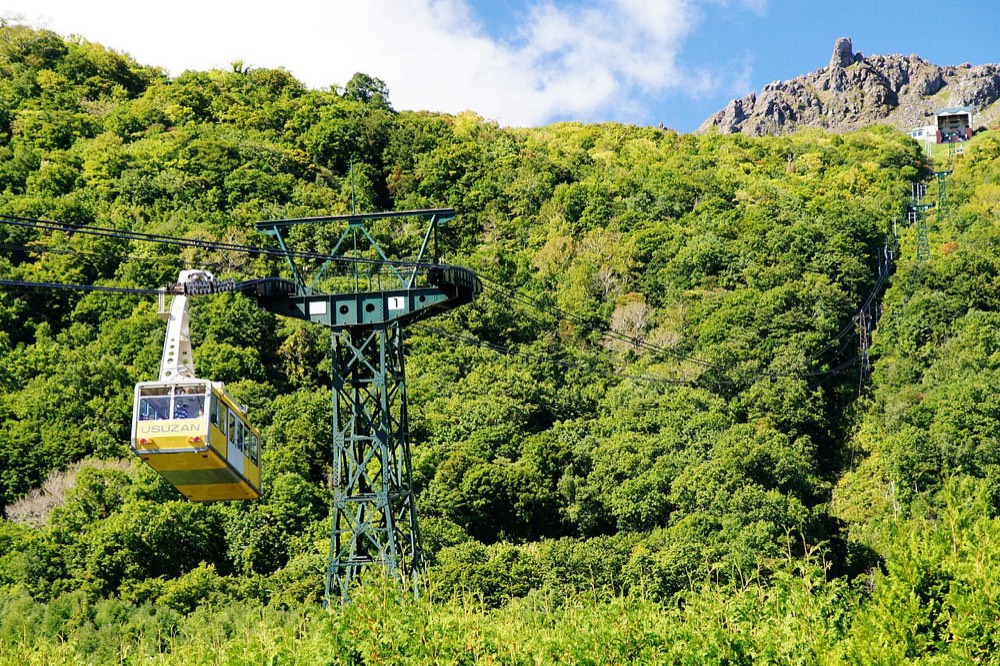
The Usuzan Ropeway leaves from a base station beside Showa-shinzan, takes about 6 minutes one way with departures every 15 minutes, and from the top you can see Lake Toya, Showa-shinzan and the Pacific at once. The round trip costs 2,000 yen for adults and 1,000 yen for elementary school children, and car parking is 500 yen a day[9].
Three winter points:
- Shorter hours: The official calendar shows winter hours from November 16 to the end of December 2026, with the first car up at 9:00 and the last car down at 16:00[9].
- January maintenance closure: On the 2026 calendar, the ropeway was closed from January 12 to 31[9]. The January 2027 dates are not on the calendar yet, so check first if you are going in January.
- Time at the top: Allow about 40 minutes for the Lake Toya observation deck alone, or about 60 minutes including the Usu crater basin observation deck[9]. The summit is windy in winter and paths may be snowy, so plan conservatively.
Showa-shinzan
Showa-shinzan is a volcano that began rising out of flat farmland in 1943 and reached its present shape in about two years; it stands 398 meters high[16]. The mountain is private land and cannot be climbed, but from the plaza in front of the ropeway base station you can see its reddish-brown rock face up close, and the ropeway gives a view from above.
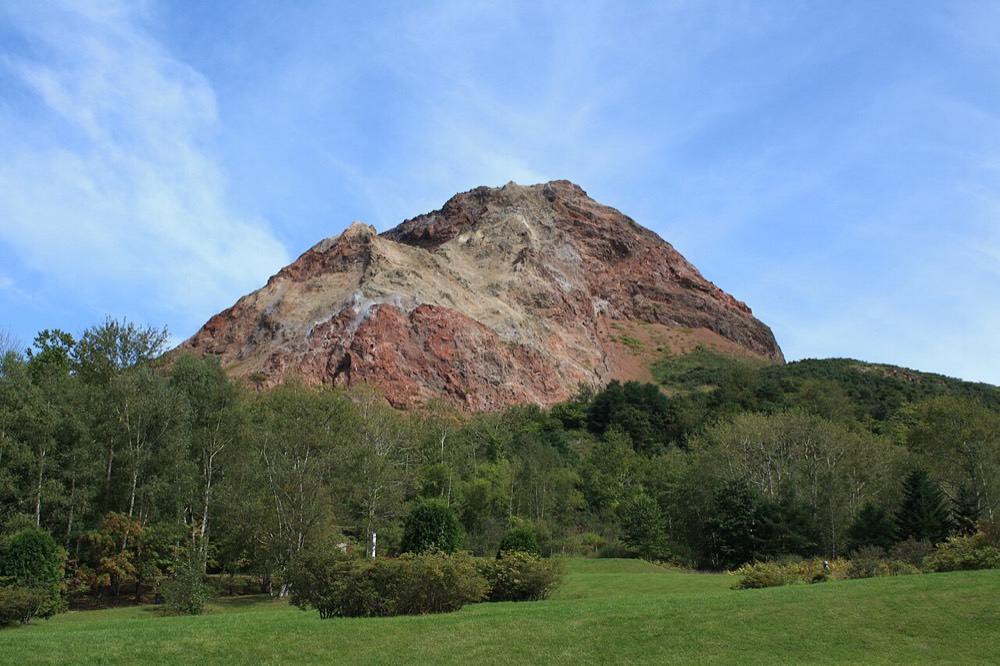
The Donan Bus fare from Toyako Onsen to Showa-shinzan is 400 yen[17]; whether and how often it runs in winter should be checked on Donan Bus's website or with its Toyako office before you go. If the times do not work, a taxi from the hot spring town saves the most time.
Toyako Kisen Sightseeing Cruise
Toyako Kisen's Nakajima cruise leaves from the hot spring town pier and circles Nakajima. In winter (November to early April) it sails hourly from 9:00 to 16:00 and takes about 45 minutes, and you cannot land on the island in winter; in summer (late April to the end of October) it sails every 30 minutes and you can choose to land on Nakajima[10]. Fares are 1,800 yen for adults and 900 yen for elementary school children, and the last sailing shifts with sunset.
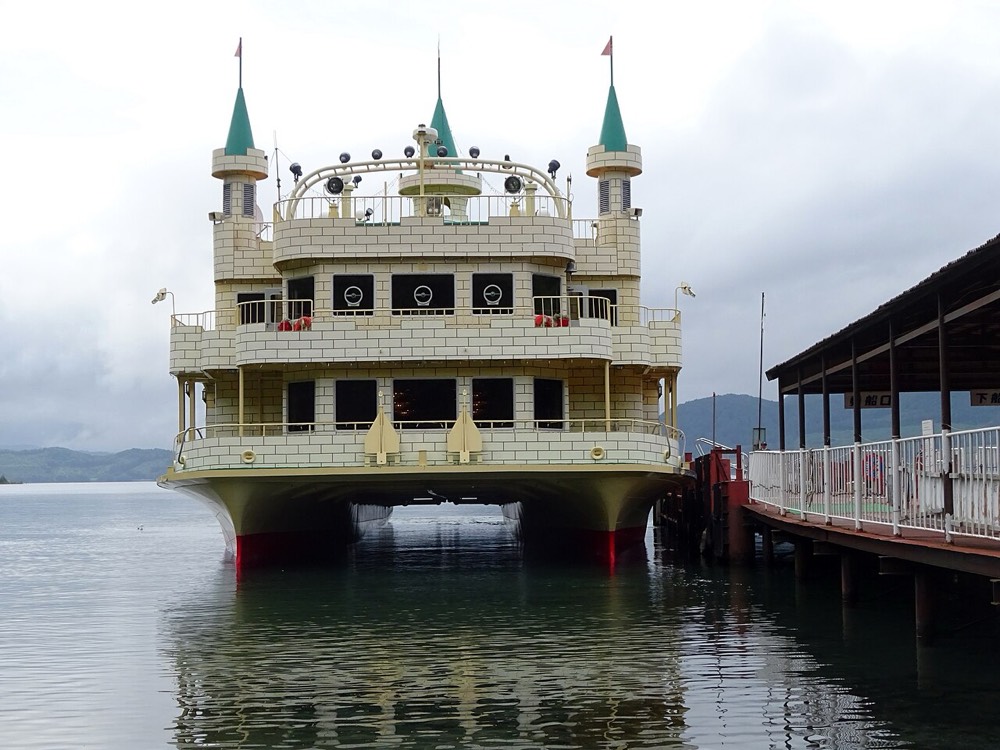
Sailings may be suspended on windy days or when the lake surface freezes; suspension notices go up on the official homepage, so check on the day.
Nakajima
Nakajima is the group of islands in the middle of Lake Toya, and its conical outline is visible from the hot spring town and every part of the shore. The island has a forest museum and walking trails, open each year from April 28 to October 31; the longest route is 7.6 km and takes about 3 hours, and the trail gate closes at 14:30 (14:00 in October)[11].
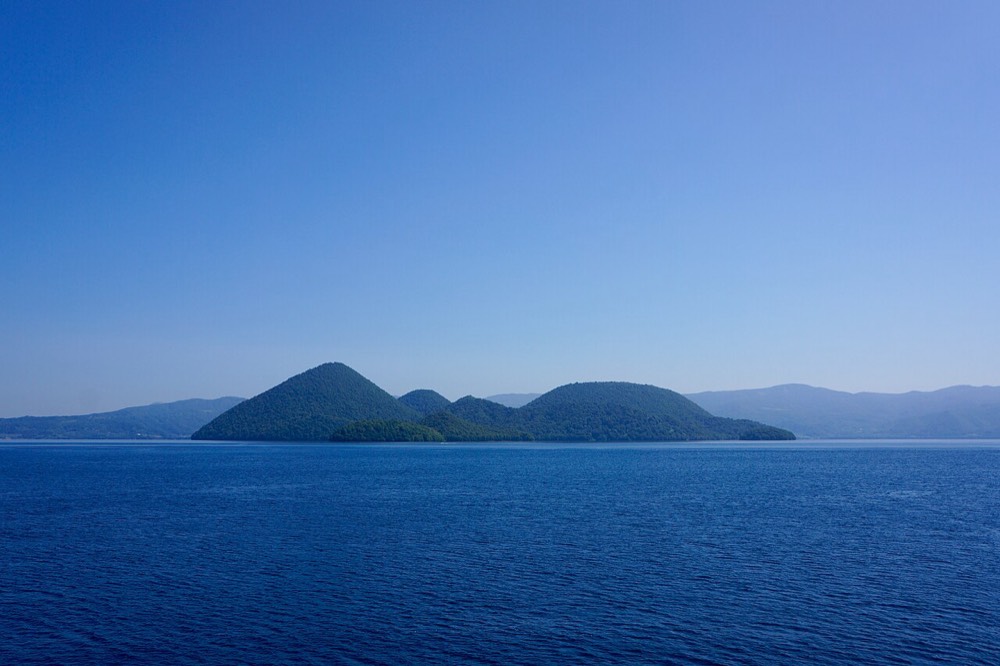
You cannot land on the island in winter, so enjoy it from the cruise or the shore. To walk on the island, plan between May and October.
Silo Observatory (サイロ展望台)
The Silo Observatory sits on high ground on the northwest side of the lake and takes in Lake Toya, Nakajima, Mt. Usu and Showa-shinzan in one view. It is open 8:30 to 17:00 from November to April and 8:30 to 18:00 from May to October, with a shop[11].
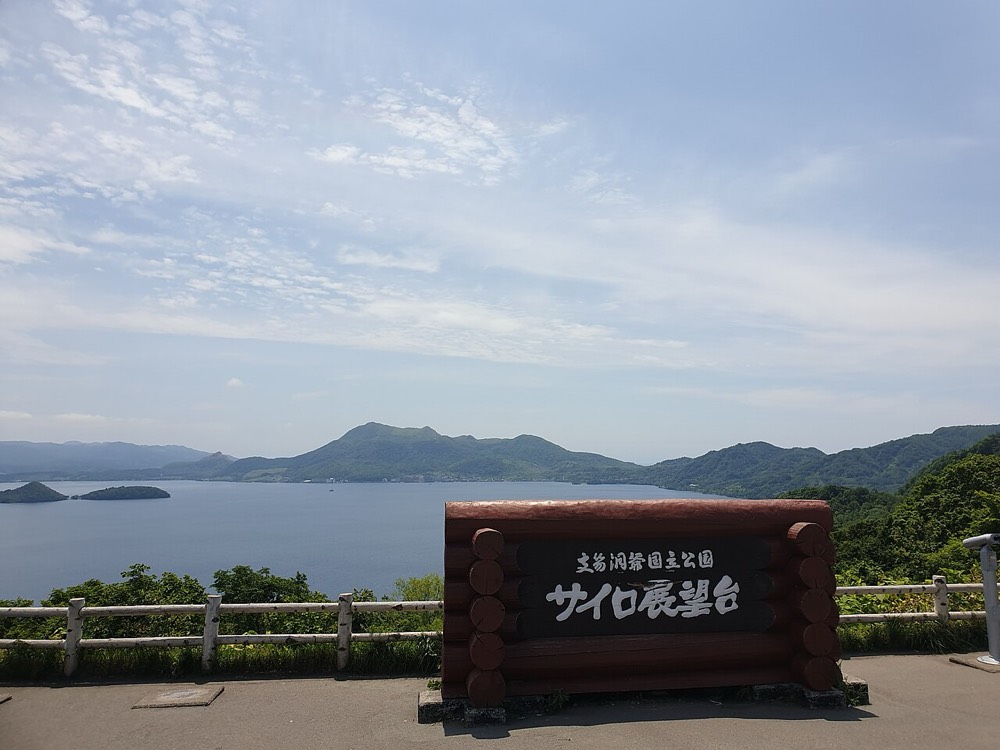
In winter a snow park opens here with snow rafting and snowmobiles. In 2026 the season ran from January to March 9, 10:00 to 15:00, with snow rafting (about 10 minutes) at 2,000 yen for adults and the standard snowmobile course (about 15 minutes) at 5,000 yen[11]; check the official announcement for 2026-27 dates and prices. There is no convenient bus here, so drive or take a taxi.
Konpira Crater Disaster Remains Trail (Closed in Winter)
The Konpira Crater trail preserves buildings and roads destroyed in Mt. Usu's 2000 eruption and is the most direct way to understand volcanic disasters. It is closed every year from November to mid-April; it is open April 25 to October 30, 9:00 to 16:00, and may close temporarily in bad weather[11]. The Nishiyama Crater trail, another eruption remains site, has the same open season.
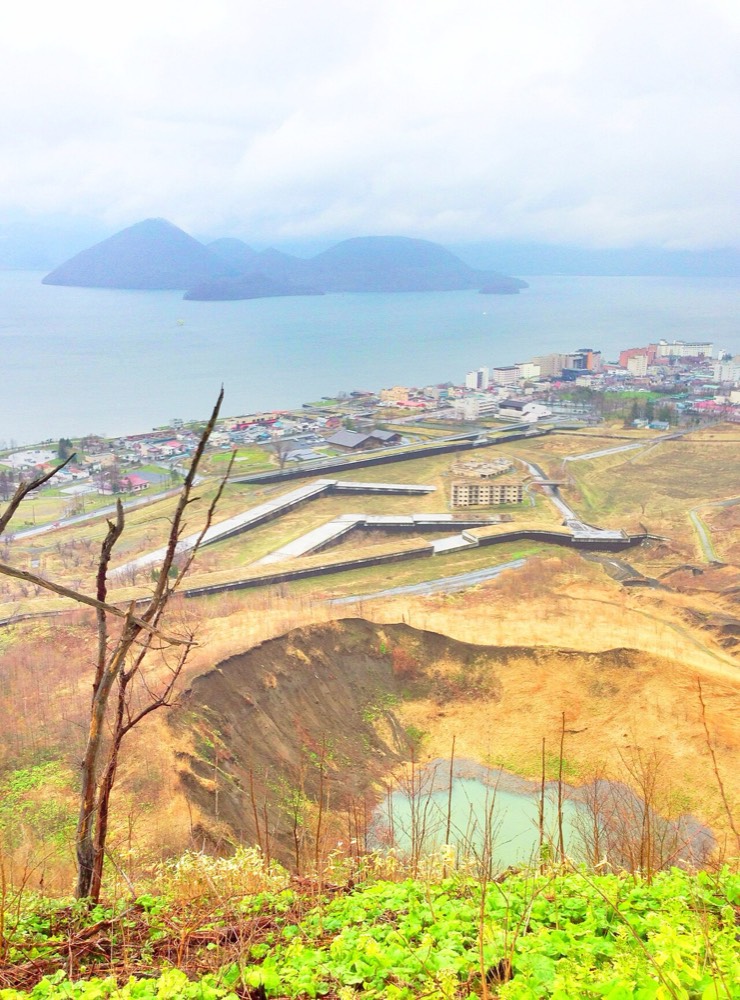
In winter, visit the Volcano Science Museum for footage instead, or look at the crater landscape from a distance at the top of the Usuzan Ropeway.
Toyako Onsen: Free Footbaths, Hand Baths and Day-Use Bathing
Toyako Onsen's water is a sodium-calcium chloride spring, and the town has 10 hand baths and 2 footbaths[13]. You can bathe without staying; hotel day-use bathing costs about 500 to 2,000 yen for adults.
Free footbaths: The lakeside Toron-no-yu (洞龍の湯) lets you soak your feet with a lake view, and during the long-run fireworks season you can watch the show from here; it was temporarily closed from October 13 to 30, 2026 for preservative works[14]. The other is Footbath Pocket Park Yakushi-no-yu (足湯ポケットパーク 薬師の湯), next to the Yuzen Yakushi Nyorai hall[13]. Hand baths are scattered in front of hotels and along the streets, handy for warming your hands on a walk.
Day-use bathing: The list below is from the tourism association's April 2026 survey[12]; hours may change when facilities are busy, so check with the hotel directly before you go.
| Facility | Day-use hours | Adult |
|---|---|---|
| Toyako Manseikaku Hotel Lakeside Terrace | 7:00–10:00, 13:00–21:00 | Weekdays 1,200 yen / weekends and holidays 1,500 yen |
| Toya Kohantei | 13:00–19:00 | 1,200 yen |
| Yutorelo Toyako | 15:00–20:00 | 1,000 yen |
| Toya Kanko Hotel | 7:00–9:30, 13:00–21:00 | Morning 700 yen / afternoon 1,000 yen |
| Hokkai Hotel | 14:00–21:00 | 500 yen |
| Hotel Grand Toya | 13:00–21:00 | 600 yen |
| Toya Onsen Hotel Kabi | 5:00–9:00, 12:00–20:00 | 800 yen |
| Toya Sun Palace Resort & Spa | 10:00–15:00 (weekends, holidays and special periods) | 2,000 yen |
Towels usually cost extra or should be brought; see the list for details.
Will Mt. Usu Erupt? Check the Volcanic Alert Level Before You Go
Mt. Usu is an active volcano that has erupted roughly every 20 to 30 years, most recently in 2000; the eruption remains in the hot spring town date from that event. According to the Japan Meteorological Agency's national monthly volcanic summary released November 10, 2026, Mt. Usu is currently at Volcanic Alert Level 1 (a reminder that it is an active volcano)[15], and the ropeway, cruises and hot spring town all operate normally.
Level 1 means normal conditions and there is no need to avoid the area; but if the level is raised before your trip, the ropeway and nearby trails may be restricted. Check the JMA volcano page once before you go and you can plan with confidence.
A 2-Day, 1-Night Winter Itinerary at Lake Toya (from Sapporo)
This plan follows the bus timetable valid from October 2026 and winter opening hours, for travelers without a car visiting from December to March. The Usuzan Ropeway may close for maintenance in January, so if you go in January, swap the first afternoon for the Volcano Science Museum and the lakeside.
| Time | Plan | Notes |
|---|---|---|
| Day 1 morning | Limited Express Hokuto from Sapporo to Toya, about 1 hr 55 min | Reserve seats in advance |
| Around noon | Bus from Toya Station (e.g. depart 12:10, arrive in the hot spring town 12:26) | 400 yen; drop bags at the hotel first |
| 13:00 | Lunch in the hot spring town | |
| 14:00 | Bus or taxi to Showa-shinzan, ride the Usuzan Ropeway up | Last car down 16:00 in winter |
| 15:30 | See Showa-shinzan from the ropeway base station | It gets dark soon after 16:00 |
| 16:30 | Back to town, soak in the hotel bath | |
| 18:30 | Dinner | |
| 19:30–20:45 | Walk to the illumination tunnel and a footbath; in early February, head to the lakeside at 20:30 for the winter fireworks | The fireworks last about 8 minutes |
| Day 2 morning | After breakfast, walk the lakeside promenade and sculptures | Wear non-slip shoes |
| 10:00 | Toyako Kisen cruise around Nakajima (about 45 min) | Hourly in winter, no landing |
| 11:00 | Volcano Science Museum (closed Mondays) | About 30–60 min |
| 12:00 | Lunch and souvenirs | |
| 13:31 | Bus from the Toyako Onsen terminal, arriving Toya Station 13:53 | Stops on the east side of town depart about 5–8 minutes earlier |
| Afternoon | Limited Express Hokuto back to Sapporo | Arrive late afternoon |
If you are driving, fit the Silo Observatory in before or after the ropeway on day 1; on public transport, skip it rather than taking a taxi out and back for a single stop.
How Much Does a 2-Day Lake Toya Trip Cost?
Below is the cost per person from Sapporo by JR (excluding accommodation and meals); all fares were checked in November 2026.
| Item | Amount |
|---|---|
| JR Limited Express Hokuto, Sapporo–Toya round trip | 13,380 yen |
| Donan Bus, Toya Station–hot spring town round trip | 800 yen |
| Donan Bus, hot spring town–Showa-shinzan round trip (if running in winter) | 800 yen |
| Usuzan Ropeway round trip | 2,000 yen |
| Toyako Kisen Nakajima cruise | 1,800 yen |
| Winter fireworks special viewing booth (optional, 2026 reference price) | 800 yen |
| Total | About 19,580 yen |
To save money, take the Donan Bus direct between Sapporo and the lake: transport drops from 14,180 yen for JR plus bus to 7,400 yen, at the cost of about 30 more minutes each way and only 4 departures a day. With the Hokkaido Rail Pass, the JR portion is covered by the pass. Accommodation prices vary widely; inns in the hot spring town usually include dinner and breakfast, so compare what each plan includes.
Who Is Lake Toya For, and Who Is It Not For?
Good for:
- Travelers who want one hot spring night in a Sapporo trip without driving: JR plus bus gets you to the hot spring town.
- Anyone interested in volcanic landscapes: Mt. Usu, Showa-shinzan and the eruption remains are all on the south shore.
- Visitors to Hokkaido in early February: the winter fireworks pair well with the Sapporo Snow Festival.
- Couples and families who want a lake-view room and an evening stroll under the lights.
Not ideal for:
- People who only want outdoor trails in winter: both the Konpira Crater trail and the Nakajima trails close in winter.
- Travelers who want to cover many spots in one day without a car: winter transport to Showa-shinzan and the Silo Observatory is sparse.
- Those with a single day who want to go straight from New Chitose Airport and back: it is about 2 hours each way, which is rushed. For a hot spring closer to the airport, compare our Noboribetsu Onsen guide.
Before You Go: How to Plan Lake Toya Smoothly
- Book Hokuto seats first: The train is all reserved, so book early in peak season (the Snow Festival period in February).
- Wait for the official fireworks dates: Until the 2027 dates are announced, choose hotel plans with free cancellation.
- Going in January? Check the ropeway calendar: In 2026 it closed for maintenance from mid-January to the end of the month.
- Remember the last bus: The last bus from the hot spring town to Toya Station is 18:50, so do not plan far-flung evening trips.
- Heading straight from the airport: Eat and pick up what you need at New Chitose Airport before taking JR; see our New Chitose Airport guide for its facilities.
FAQ
When are the Lake Toya winter fireworks in 2027?
As of November 19, 2026, the Toyako Onsen Tourism Association's website still shows 2026 information, and the 2027 dates have not been officially announced. One event listing site shows February 3 to 12, 2027, but that is not an official announcement. In 2026 the fireworks ran February 3 to 12, nightly at 20:30 for about 8 minutes, free to watch and cancelled in strong wind.
What is the easiest way to get from Sapporo to Lake Toya?
The fastest option with the most departures is the JR Limited Express Hokuto: about 1 hour 55 minutes from Sapporo to Toya Station, all seats reserved, listed by JR Hokkaido at 6,690 yen one way. From the station, a Donan Bus takes about 15 to 30 minutes and costs 400 yen to the hot spring town. For no transfers, Donan Bus's Sapporo–Toyako line runs direct in about 2 hours 45 minutes for 3,700 yen, booked online.
Where is the best place to stay at Lake Toya?
For a first visit by public transport, Toyako Onsen town is the most convenient: the bus terminal, cruise pier and fireworks site are all within walking distance, and most hotels have hot spring baths. For lake views and a luxury resort, with a car or the hotel's shuttle, consider the hilltop Windsor. For quiet or for skiing, look at Sobetsu, Naka-Toya or Rusutsu.
What can you do at Lake Toya in winter?
The Usuzan Ropeway usually runs 9:00 to 16:00 in winter, 2,000 yen round trip. Toyako Kisen's cruise sails hourly in winter, about 45 minutes for 1,800 yen, but you cannot land on Nakajima. The hot spring town has a light tunnel of about 400,000 bulbs, lit daily 17:00 to 22:00 from November 1, 2026 to February 28, 2027. The Konpira Crater trail is closed in winter.
Is it safe to visit Mt. Usu now?
According to the Japan Meteorological Agency's national volcanic summary of November 10, 2026, Mt. Usu is at Volcanic Alert Level 1 (a reminder that it is an active volcano), and the ropeway and tourist facilities operate normally. Mt. Usu has erupted every few decades, most recently in 2000, so check the JMA website for the latest level before you go.
Sources
- Toyako Onsen Tourism Association: Toyako Onsen Winter Fireworks 2026: 2026 winter fireworks times, location and special viewing booth capacity
- Walkerplus: Toyako Onsen Winter Fireworks 2026 event details: 2026 dates, about 450 shells, 800-yen special viewing booth
- Toyako Onsen Tourism Association: Lake Toya Long-Run Fireworks: 2026 long-run fireworks season and time
- Toyako Onsen Tourism Association: Toyako Onsen Illumination Tunnel 2026-27: Illumination period and hours
- Toyako Onsen Tourism Association: Access: Donan Bus timetable between Toya Station and the hot spring town (from October 1, 2026) and driving routes
- Donan Bus: Sapporo–Toyako line: Direct bus departures, fare and reservation rules
- JR Hokkaido: Tickets and fares (Chinese): Sapporo–Toya Limited Express Hokuto fare, all seats reserved
- HOKKAIDO LOVE!: Access to areas within Hokkaido: JR and bus travel times from Sapporo to Toyako Onsen
- Usuzan Ropeway official site: Fares, operating hours, calendar and parking
- Toyako Kisen: Operating hours and fares: Nakajima cruise summer and winter schedules, fares and fireworks cruise
- Toyako Onsen Tourism Association: Leisure: Konpira Crater trail season, Silo Observatory hours, Nakajima trails, Volcano Science Museum and snow park
- Toyako Onsen Tourism Association: Day-use bathing price list (April 2026 survey): Day-use bathing hours and prices by hotel
- Toyako Onsen Tourism Association: Learn about Toyako Onsen: Hand bath and footbath locations, spring water type
- Toyako Onsen Tourism Association: Temporary closure of the Toron-no-yu footbath: Closure period for October 2026 works
- Japan Meteorological Agency: National monthly volcanic summary (October 2026): Mt. Usu volcanic alert level as of November 10, 2026
- HOKKAIDO LOVE!: Showa-shinzan: Elevation, formation and no-climbing private land
- Donan Bus: Showa-shinzan–Toyako Onsen–Toya Station fare table: Fare from Toyako Onsen to Showa-shinzan
- HOKKAIDO LOVE!: Toyako Onsen Winter Fireworks: 2026 winter fireworks dates, venue and access
Fares, opening hours and event dates can change. Information checked on 2026.11.19; please confirm with official sources before you go.