Dotonbori & Shinsaibashi Guide: the Glico Sign, Food, Shopping and a Walking Route to Namba
Dotonbori and Shinsaibashi in one walk: the Glico sign renewal from December 2026, the 2,000-yen river cruise, PARCO and Daimaru hours, takoyaki prices, evening route.
Quick answer
Dotonbori and Shinsaibashi form one north-to-south walk: start at Shinsaibashi Station with Daimaru Shinsaibashi (main building 10:00-20:00) and Shinsaibashi PARCO, walk the roughly 580 m Shinsaibashi-suji arcade south for drugstores, reach Ebisubashi Bridge at dusk for the Glico sign and the 20-minute Tombori River Cruise (adults 2,000 yen), then eat takoyaki (about 650-1,200 yen for 8) or okonomiyaki. The 6th-generation Glico sign ends at the end of November 2026; works start in December and the 7th version is planned for spring 2027.
How do you do Dotonbori and Shinsaibashi without doubling back? Treat them as one straight line from north to south: come out of Shinsaibashi Station into the department stores, walk south through the covered arcade for drugstores, reach Ebisubashi Bridge just as it gets dark for the neon and a river cruise, then eat dinner in Dotonbori and Hozenji Yokocho and leave from Namba Station. Using actual opening hours and fares, this guide helps you decide how long each stretch takes, how to budget, and how to plan photos while the Glico sign is under renovation from December 2026.
Dotonbori vs Shinsaibashi vs Namba: how to split your time
Short answer: Shinsaibashi is for shopping, Dotonbori is for night views and food, and Namba is the transport hub at the end. All three link up on foot, so half a day or a single evening covers them.
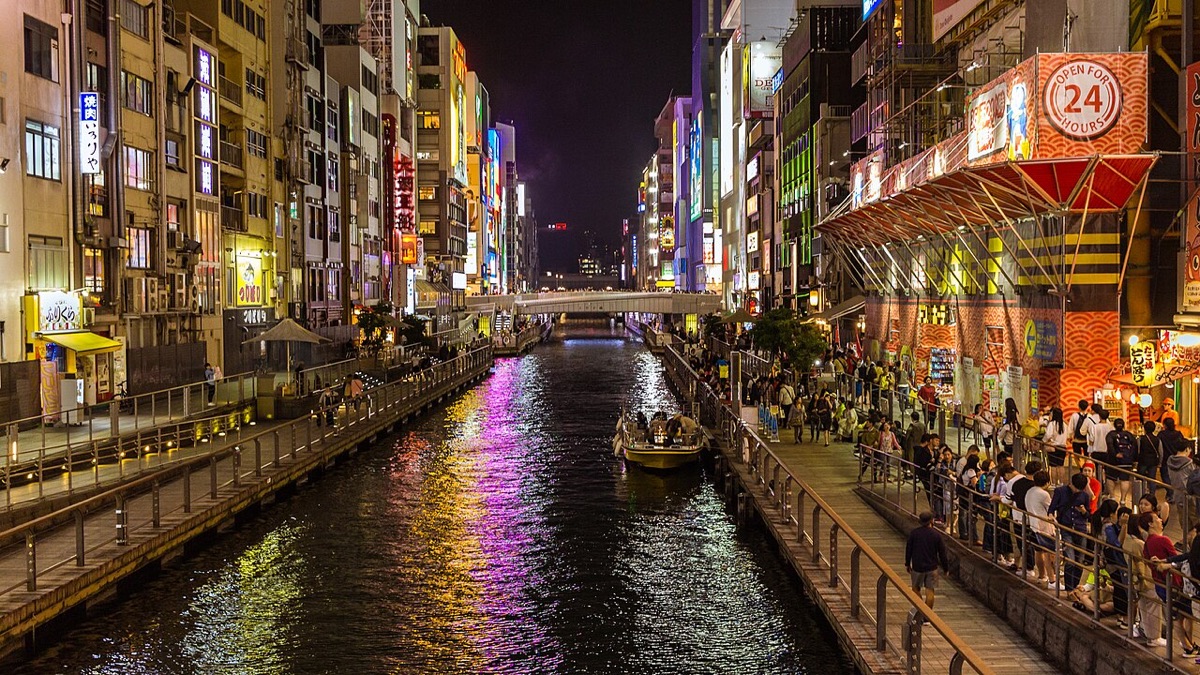
Locals call this whole area "Minami" (the south). Shinsaibashi-suji Shopping Street runs about 580 m south from Nagahori-dori to Soemoncho-dori[7]; cross Ebisubashi Bridge at its end and you are in Dotonbori. A few minutes further south is Namba Station, served by the Osaka Metro Midosuji, Sennichimae and Yotsubashi lines plus Kintetsu and Nankai[6].
| Area | What's there | Best time | Suggested stay |
|---|---|---|---|
| Daimaru Shinsaibashi, Shinsaibashi PARCO | Department stores, character shops, Pokemon Center | Morning or afternoon after 10:00 opening | 1-2 hours |
| Shinsaibashi-suji Shopping Street | Drugstores, fashion, shoes, covered from rain | Afternoon | 45 minutes-1 hour |
| Amerikamura | Vintage clothing, streetwear, youth shops | Afternoon | 30 minutes-1 hour (optional) |
| Dotonbori, Ebisubashi | Glico sign, 3D signs, river cruise, "konamon" flour-based food | After sunset | 1-2 hours |
| Hozenji Yokocho | Stone-paved alley, Mizukake Fudo, long-running small shops | Around dinner | 20-30 minutes |
Staying in this area means you can walk back to your hotel after the evening; for how Namba and Shinsaibashi compare with other areas, see where to stay in Osaka. For Osaka Castle, Tsutenkaku and other districts, see Osaka attractions.
How to photograph the Glico sign, and what changes from December 2026
Short answer: the classic spots are on Ebisubashi Bridge or down on the Tombori River Walk, best after the lights come on at dusk. From December 2026 until the 7th version appears, the sign will be under renovation.
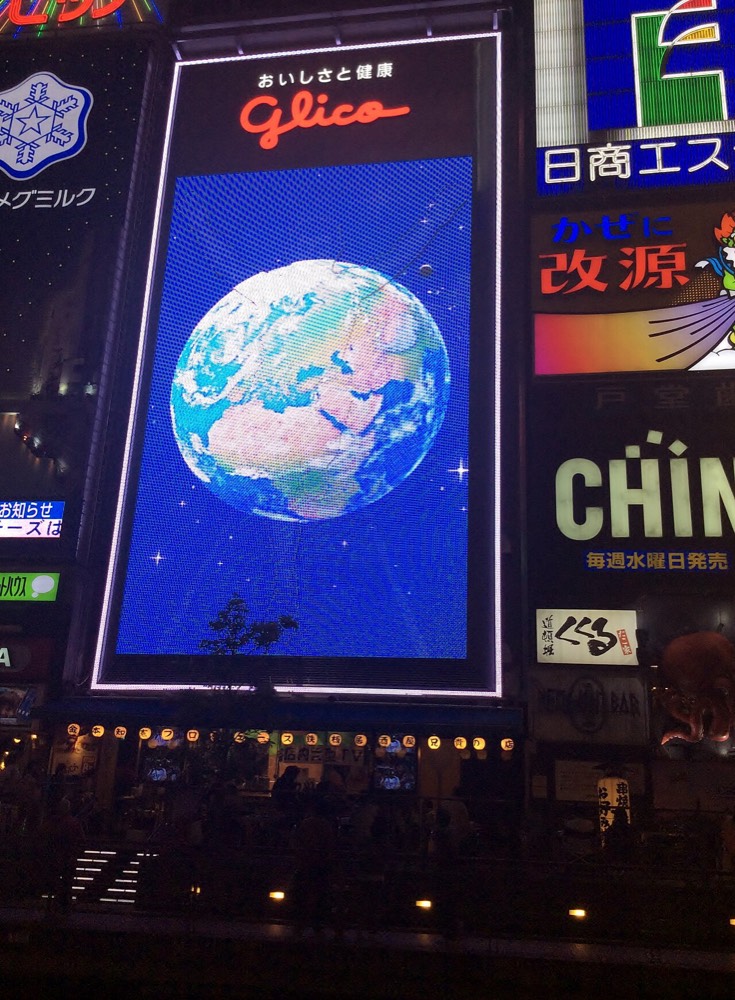
The Dotonbori canal was dug in 1612 with money from Yasui Doton, who gave it his name, and the area grew into an entertainment district of theaters and teahouses[6]. The current 6th-generation Glico sign was completed in 2014 and switched to LEDs, so it can show all kinds of images besides the running man[5].
According to Ezaki Glico's October 2026 announcement, the 6th sign ends at the end of November, works start in December, and the 7th sign is planned for spring 2027[3]. Taiwanese media report the last lighting on November 30, with the lights going off early on December 1 when works begin[4]. The new design and lighting hours have not been announced.
How to plan your photos:
- Before the end of November: Ebisubashi is packed. For a full shot of the sign, go down to the riverside walkway and shoot at an angle for a cleaner background.
- During the works (December to spring 2027): photograph other 3D signs such as the giant Kani Doraku crab[6], or the neon on both banks reflected in the water from the riverside walkway.
- Etiquette: Ebisubashi is very crowded at night. Move on after your shot, and don't linger mid-bridge or set up a tripod in the way.
Is the Dotonbori river cruise worth it? Fares, times and the Amazing Pass exchange
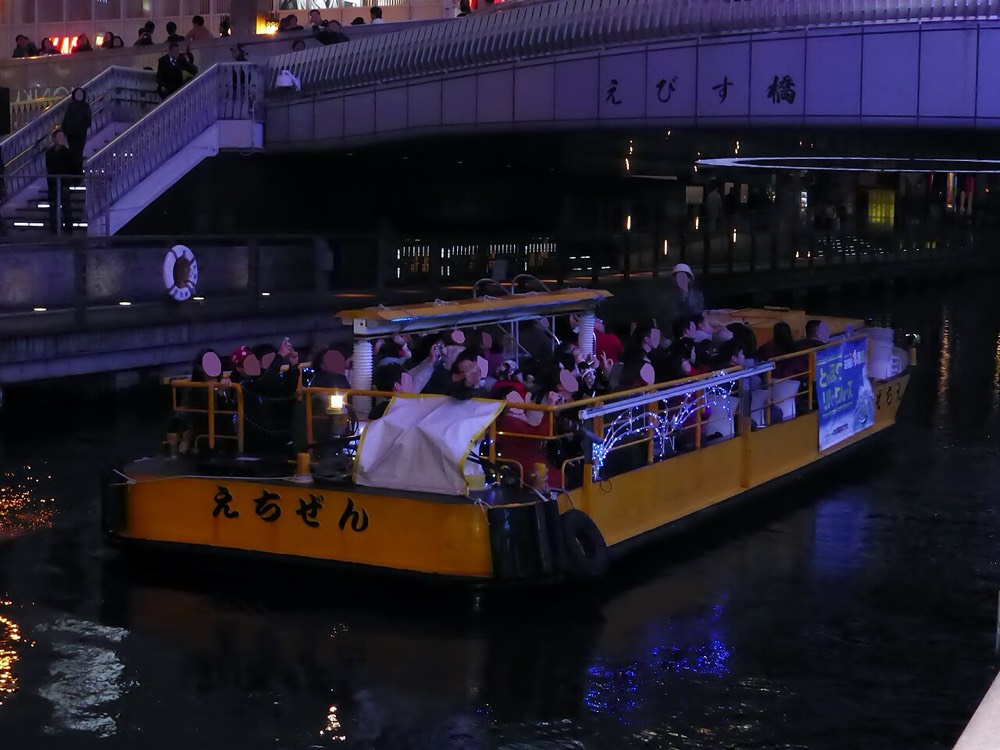
Short answer: the Tombori River Cruise takes about 20 minutes and costs 2,000 yen for adults, and the views of the signs from water level and passing under the bridges are something you can't get on foot. Osaka Amazing Pass holders ride free but must exchange for a ticket on the day.
| Item | Details (checked November 2026) |
|---|---|
| Fare | Adults 2,000 yen, students (junior high and up, student ID required) 1,000 yen, elementary school children 500 yen; one preschool child free per adult |
| Departures | 11:00-21:00, on the hour and half hour |
| Duration | About 20 minutes |
| Boarding | Tazaemonbashi pier; reception is beside the river-side entrance (east side) of Don Quijote Dotonbori |
| Tickets | Same-day tickets only; some sailings can be booked and prepaid online |
These details come from the operator, Ipponmatsu Kaiun[1]. There are some full-day suspensions in July, and weather or river works can also cancel sailings.
With the Osaka Amazing Pass, you must go to the reception on the day you ride to exchange for a timed ticket, and you can only board the sailing printed on it; phone reservations are not accepted. If the boat is full you can't board, evening sailings go quickly, and the pass site itself recommends exchanging during the day[2]. In practice, swing by Dotonbori around midday, exchange for a 17:30 or 18:00 ticket, and come back in the evening.
What to eat in Dotonbori: takoyaki, kushikatsu and okonomiyaki prices
Short answer: Dotonbori works best as one box of takoyaki eaten standing plus a sit-down okonomiyaki or kushikatsu meal. Budget 4,000-6,000 yen for dinner for two to be comfortable; if a line is too long, the shop next door is rarely much different in price.
| Dish | Price guide | How to choose |
|---|---|---|
| Takoyaki | About 650-1,200 yen for 8[12] | Share as a snack; shops with a standing area make it easy to finish before moving on |
| Kushikatsu | Kushikatsu Daruma Dotonbori: 11:00-22:30 (from 10:30 on weekends)[13] | Dinner with beer; never double-dip in the shared sauce |
| Okonomiyaki | Chibo Dotonbori Building: Dotonbori-yaki 1,950 yen, Hiroshima-yaki 1,780 yen[14] | Sit down and take your time; a proper meal |
For takoyaki, FUN! JAPAN's on-site survey of 8 Dotonbori and Namba shops in April 2025 found: Wanaka Dotonbori 650 yen for 8, Akaoni 720 yen for 8, Kukuru Soemoncho M size 980 yen for 8, and Odoridako 1,200 yen for 8[12]. Prices change often, so go by what's posted at the shop.
A few rules of thumb for choosing:
- Choose by sauce and texture: crispy-shell and soft styles are very different, so on your first visit buy one of each from two shops and compare.
- Avoid the dinner peak: lines are clearly shorter before 17:00 or after 20:00.
- Finish at the shop: most takoyaki shops have a standing area; hand your trash back to the shop and don't eat while walking.
How to eat Osaka's specialties and where they came from is covered in full in Osaka food guide; for seafood in the daytime, Kuromon Market is a short walk east of Dotonbori and quieter in the morning.
Shinsaibashi shopping: PARCO, Daimaru and the Pokemon Center
Short answer: Daimaru Shinsaibashi and Shinsaibashi PARCO are both next to Shinsaibashi Station and open at 10:00, so do your shopping in daylight. The Pokemon Center is on the 9th floor of the Daimaru main building, and the cafe needs an online reservation.
Daimaru Shinsaibashi
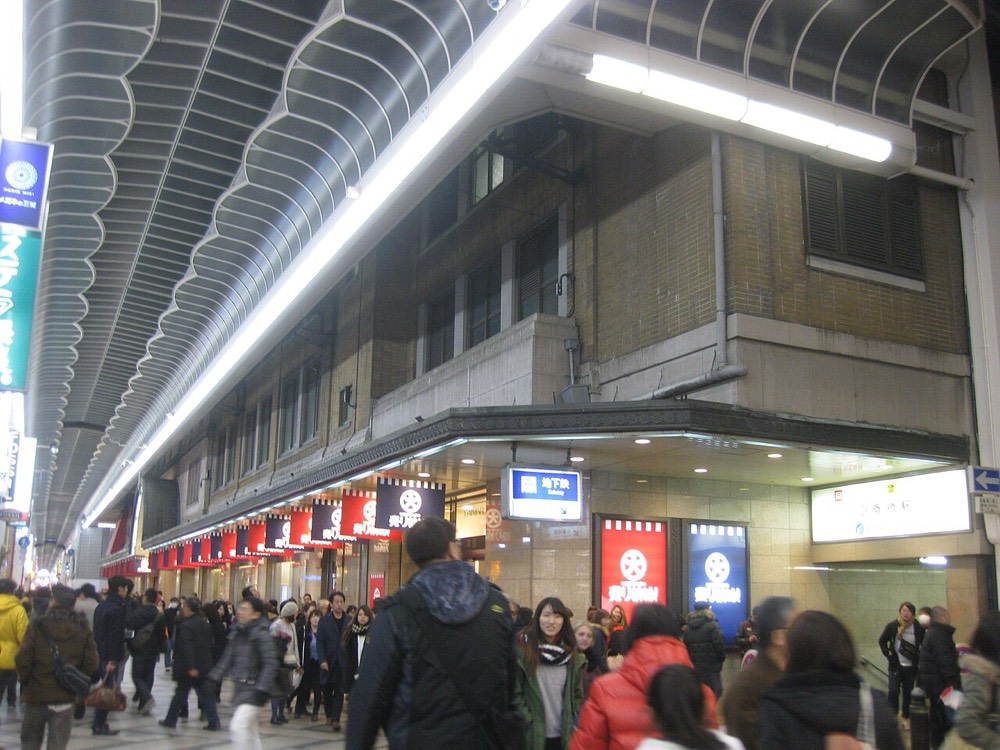
The Daimaru Shinsaibashi main building opens 10:00-20:00, with the 10F restaurant floor 11:00-22:00 and the B2F food hall 11:00-22:00[8]. Pokemon Center Osaka DX and the Pokemon Cafe are both on the 9th floor of the main building, with an underground passage from Shinsaibashi Station[10]. Online listings disagree on the shop's hours, so check the official Pokemon Center site before you go.
Shinsaibashi PARCO
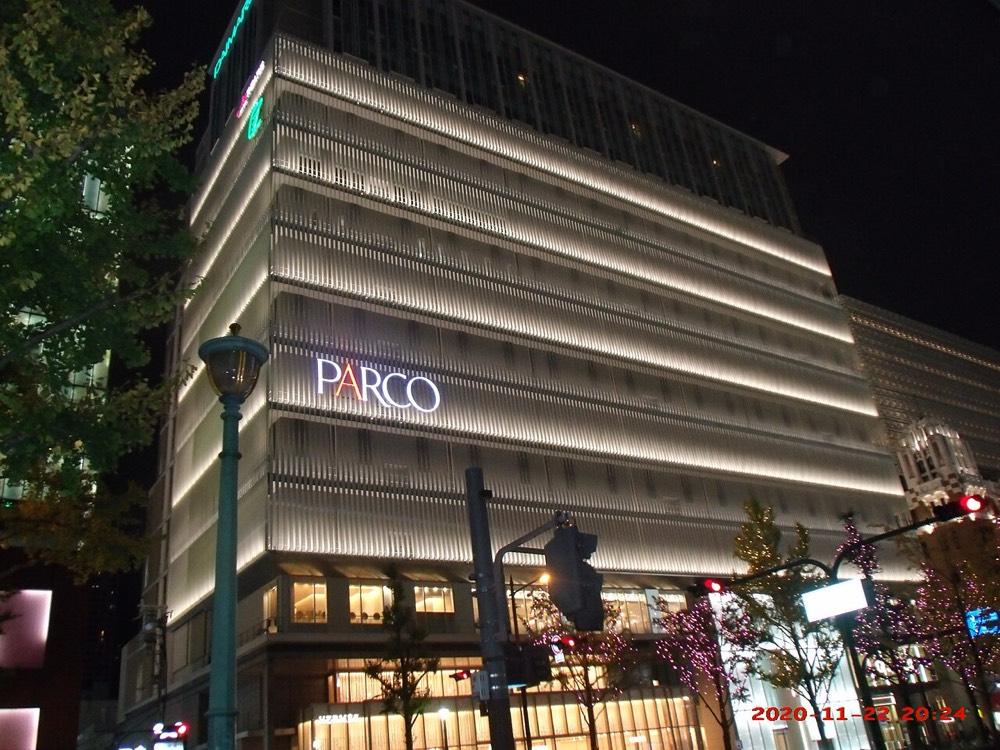
Shinsaibashi PARCO, right next to Daimaru, has shops and services 10:00-20:00, 13F restaurants 11:00-22:00, B2F restaurants 11:00-23:00, and the B1F STARBUCKS RESERVE Cafe 8:00-22:30; the official site notes some hours are currently shortened and year-end hours differ[9]. The B2F restaurants stay open latest, so you can come back for a late bite after Dotonbori.
The new tax refund system: pay tax now, get it back when you leave
Since November 1, 2026, Japan's tax-free system has become a refund system: at a tax-free shop you pay the tax-inclusive price, and when you leave Japan within 90 days of purchase, customs at the airport or seaport confirms you are taking the goods out, after which the consumption tax is refunded. Consumables eaten or used up in Japan are not refunded[11]. At Shinsaibashi PARCO the procedure depends on the shop, and some shops send you to the counter on Daimaru main building 9F or south building 4F[9]. For refund methods and fees, see Japan's 2026 tax refund system; for drugstore and snack shopping, see Don Quijote shopping and tax-free guide.
Are Shinsaibashi-suji, Amerikamura and Hozenji Yokocho worth the detour?
Short answer: Shinsaibashi-suji Shopping Street is the main line you'll walk anyway; Amerikamura suits fans of vintage and streetwear and can be skipped if you're short on time; Hozenji Yokocho is only a few minutes from Dotonbori and well worth a loop around dinner.
Shinsaibashi-suji Shopping Street
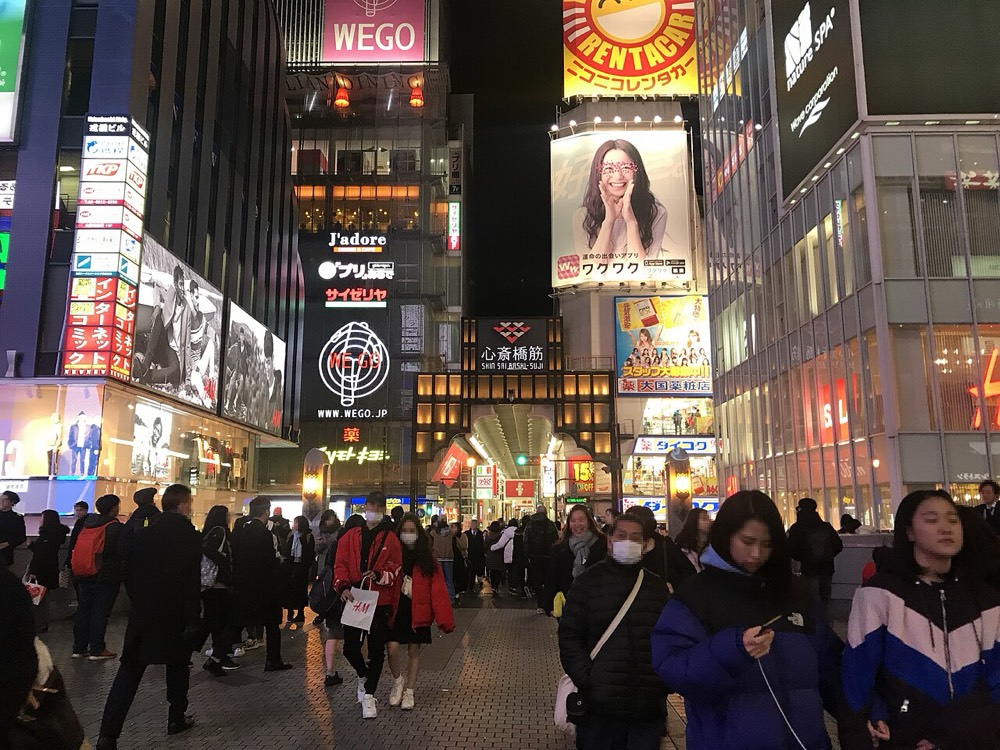
This covered arcade developed in the Edo period as the road linking Shinmachi with the Dotonbori theaters[7]. Today it's lined mainly with drugstores, fashion and shoe shops, and it's fine on a rainy day. The same drugstore chain often has several branches with different prices and coupons, so note the price of what you want and decide where to buy once you reach the end.
Amerikamura
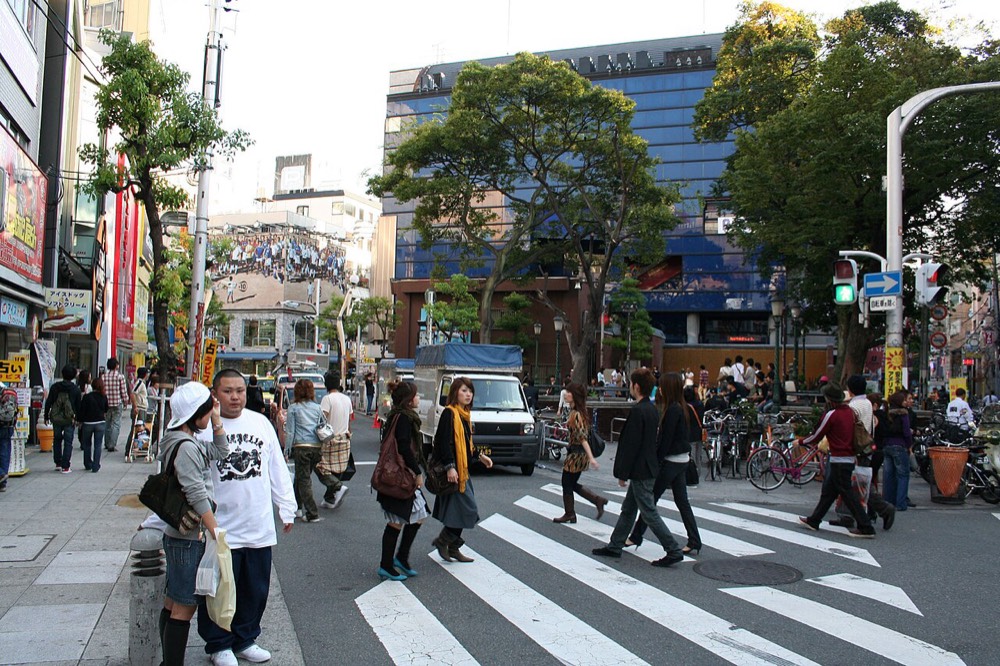
Amerikamura lies on the west side of Midosuji, across the main avenue from Shinsaibashi-suji, with side streets of vintage shops, streetwear and small cafes. If some of your group want department stores and you want vintage, split up on either side of Midosuji at an agreed time and meet again at Ebisubashi.
Hozenji Yokocho
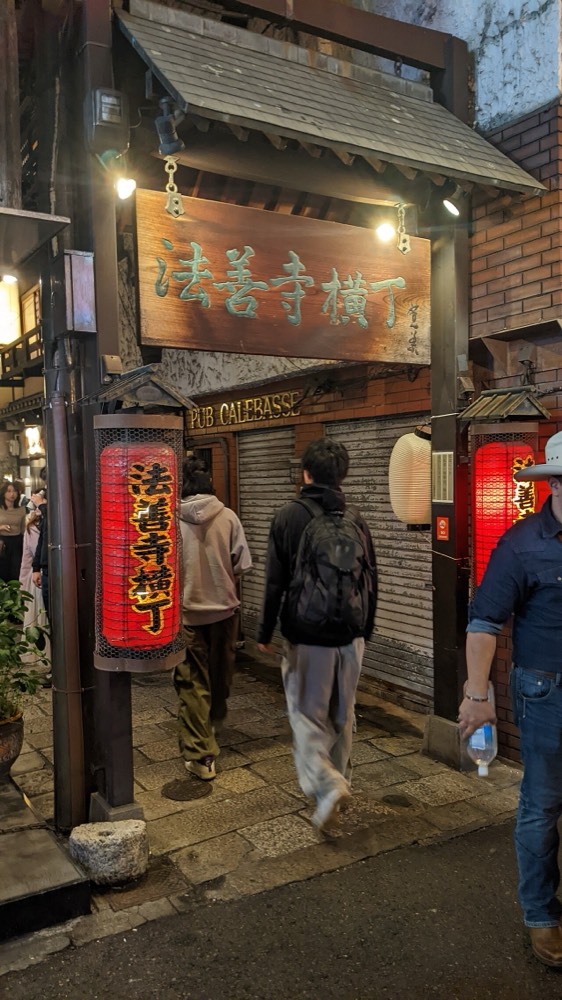
Hozenji Yokocho is a stone-paved alley about 80 m long and 3 m wide, lined with kappo restaurants, bars, and small okonomiyaki and kushikatsu shops, about a 5-minute walk from Namba Station[15]. The Fudo statue at Hozenji Temple here survived the wartime air raids; worshippers splash water on it as they pray, and it is covered in green moss, hence the name "Mizukake Fudo"[15]. It is just one street from Dotonbori but far quieter, perfect for a stroll after dinner.
A half-day Dotonbori and Shinsaibashi route: afternoon into the night
Short answer: start from Shinsaibashi Station at 14:00 and walk north to south, reaching Dotonbori around 17:00 in time for sunset and the lights. In late November the sun sets in Osaka at roughly 16:50, so shift earlier in winter if you like.
| Time | Place | What to do |
|---|---|---|
| 12:00 | Dotonbori cruise reception | Amazing Pass holders exchange for a 17:30 ticket (skip without the pass) |
| 14:00 | Shinsaibashi Station → Daimaru Shinsaibashi | Pokemon Center, department store, tax refund paperwork |
| 15:30 | Shinsaibashi PARCO | Character shops, café in the basement floors |
| 16:15 | Shinsaibashi-suji Shopping Street, heading south | Compare drugstore prices |
| 17:00 | Ebisubashi, riverside walkway | Photograph the signs and night view |
| 17:30 | Tombori River Cruise | About 20 minutes |
| 18:00 | Dotonbori | Takoyaki as a starter, then okonomiyaki or kushikatsu |
| 19:30 | Hozenji Yokocho | Stroll, see Mizukake Fudo |
| 20:00 | Namba Station | Head back to the hotel or carry on |
From November 3 to December 31, the Midosuji illuminations are lit every evening, and Shinsaibashi to Namba is the liveliest section. To include them, reverse the route and walk north along Midosuji back to Shinsaibashi after dinner; dates and routes are in Osaka Festival of the Lights 2026. Coming straight from Kansai Airport, the Nankai line to Namba is the easiest; see Kansai Airport to Osaka city transport.
Who Dotonbori and Shinsaibashi suit, and who they don't
Short answer: ideal for first-timers in Osaka who want shopping and night views in one go; if you want quiet, dislike crowds or only want traditional scenery, one evening is enough.
Good for:
- First-time visitors staying in Namba or Shinsaibashi, who can walk around on their first night.
- People who want drugstore and character goods plus konamon food along the way.
- Anyone planning for a rainy day, since the arcade and department stores are covered.
- Families with children; the Pokemon Center and the river cruise are both easy to fit in.
Not ideal, or adjust your plan:
- If you dislike crowds: Ebisubashi is extremely crowded on weekends and evenings, so do Shinsaibashi on a weekday morning and spend just an hour here at night.
- With a stroller or lots of luggage: Dotonbori is packed at night, so drop bags at your hotel first.
- If you're coming specifically to photograph the Glico running man between December and spring 2027: the sign is under construction, so plan other night views.
Before you go
- Check hours on official sites: department stores and the Pokemon Center change hours over the New Year; check Daimaru Shinsaibashi's arrangements for January 1 and 2 in advance[8].
- Exchange your cruise ticket early: Amazing Pass exchanges are same-day only and evening sailings fill up[2].
- Keep receipts and your passport for refunds: under the new system the tax is refunded only after customs confirms at departure, and consumables eaten or used in Japan are not refunded[11].
- During the sign renovation: for the 7th sign's unveiling date and new design, go by Ezaki Glico's official announcement[3].
FAQ
Are Dotonbori and Shinsaibashi the same place? How long is the walk?
They are separate but directly connected. Shinsaibashi-suji Shopping Street runs about 580 m south from Nagahori-dori, and once you cross Ebisubashi Bridge at its end you are in Dotonbori; walking straight through without shopping takes about 10 minutes. Shinsaibashi Station is at the north end and Namba Station at the south end, so you never need to double back.
Can I still see the Glico running man sign in December?
The 6th-generation sign ends at the end of November 2026, with renovation works from December. The 7th version is planned for spring 2027, reportedly around late March to early April. Between December and spring you will see a sign under construction from Ebisubashi, so photograph the giant Kani Doraku crab or the riverside neon instead.
Do I need to book the Dotonbori river cruise? How much is it?
The Tombori River Cruise costs 2,000 yen for adults, 1,000 yen for students and 500 yen for elementary school children. Boats leave on the hour and half hour from 11:00 to 21:00 and take about 20 minutes. Tickets are sold for the same day only, and some sailings can be booked and prepaid online. Osaka Amazing Pass holders must exchange for a timed ticket on the day; evening slots fill up, so exchange during the day.
Where is the Pokemon Center in Shinsaibashi?
Pokemon Center Osaka DX is on the 9th floor of the Daimaru Shinsaibashi main building, next to the Pokemon Cafe, with an underground passage from Shinsaibashi Station. The cafe requires an online reservation. Shop hours are close to Daimaru's, but check the official announcement before you go.
Can I still get tax-free prices at the till in Shinsaibashi?
Not since November 1, 2026. Japan switched to a refund system: you pay the tax-inclusive price at a tax-free shop, customs confirms the goods at the airport or seaport when you leave within 90 days of purchase, and only then is the consumption tax refunded. Consumables used up in Japan are not refunded. Some Shinsaibashi PARCO shops process this at the counter on Daimaru main building 9F or south building 4F; bring your passport.
Sources
- Ipponmatsu Kaiun | Tombori River Cruise: Fares, 11:00-21:00 every 30 minutes, about 20 minutes, boarding reception, same-day ticket sales (checked November 2026)
- Osaka Amazing Pass | Free facilities: Same-day exchange for timed cruise tickets; evening slots fill up, exchange during the day
- Impress Watch | 6th Glico sign retires end of November, 7th in spring 2027 (October 14, 2026): 6th sign ends end of November, works in December, 7th sign spring 2027
- Liberty Times | Osaka's Glico running man to go dark at end of November (October 2026): Last lighting November 30, lights off early December 1 for works
- Ezaki Glico | 6th-generation Glico sign lighting ceremony news release (October 23, 2014): 6th sign completed in 2014, uses LEDs
- OSAKA-INFO | Dotonbori: Dug by Yasui Doton in 1612, 3D signs, Tombori River Walk, access from Namba Station
- OSAKA-INFO | Shinsaibashi-suji Shopping Street: About 580 m from Nagahori-dori to Soemoncho-dori, history since the Edo period
- Daimaru Shinsaibashi | Opening hours: Main building 10:00-20:00, 10F restaurants 11:00-22:00 (checked November 2026)
- Shinsaibashi PARCO | Facility guide and access: Shops 10:00-20:00, B2F restaurants 11:00-23:00, tax refunds at Daimaru main building 9F or south building 4F (checked November 2026)
- LIVE JAPAN | Pokemon Center Osaka DX & Pokemon Cafe: Daimaru Shinsaibashi main building 9F, underground link from Shinsaibashi Station
- Japan Tourism Agency | What is the refund system: Refund after customs confirmation at departure from November 1, 2026
- FUN! JAPAN | 8 recommended takoyaki shops in Dotonbori and Namba (information as of April 2025): 8-piece takoyaki prices at Dotonbori shops
- Kushikatsu Daruma official site: Hours of the Dotonbori, Namba Honten and Hozenji branches
- Gurunavi | Chibo Dotonbori Building menu: Dotonbori-yaki, Hiroshima-yaki and other okonomiyaki prices (checked November 2026)
- OSAKA-INFO | Hozenji Yokocho: Stone-paved alley about 80 m long and 3 m wide, Mizukake Fudo, about 5 minutes from Namba Station
Fares, opening hours and event dates can change. Information checked on 2026.11.26; please confirm with official sources before you go.