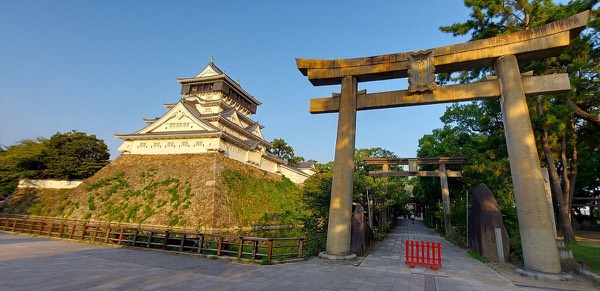
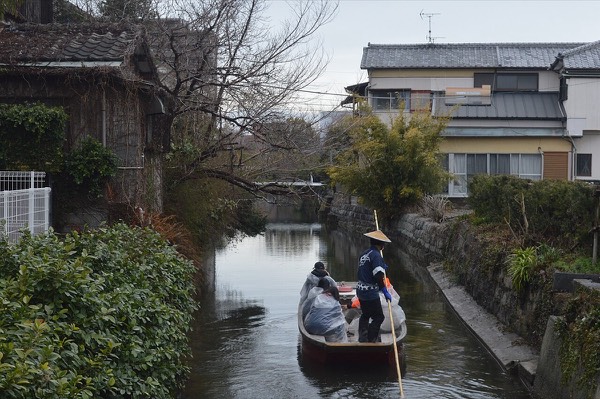
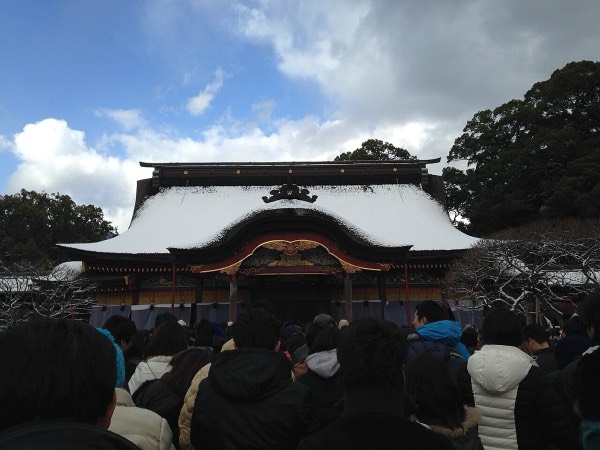
Dazaifu Day Trip: Dazaifu Tenmangu's Restored Main Hall, Access, Umegae Mochi and Yanagawa
Dazaifu Tenmangu's 124-year restoration is done and front worship resumed in September 2026. Getting there from Fukuoka, umegae mochi, the museum and Yanagawa.
Quick answer
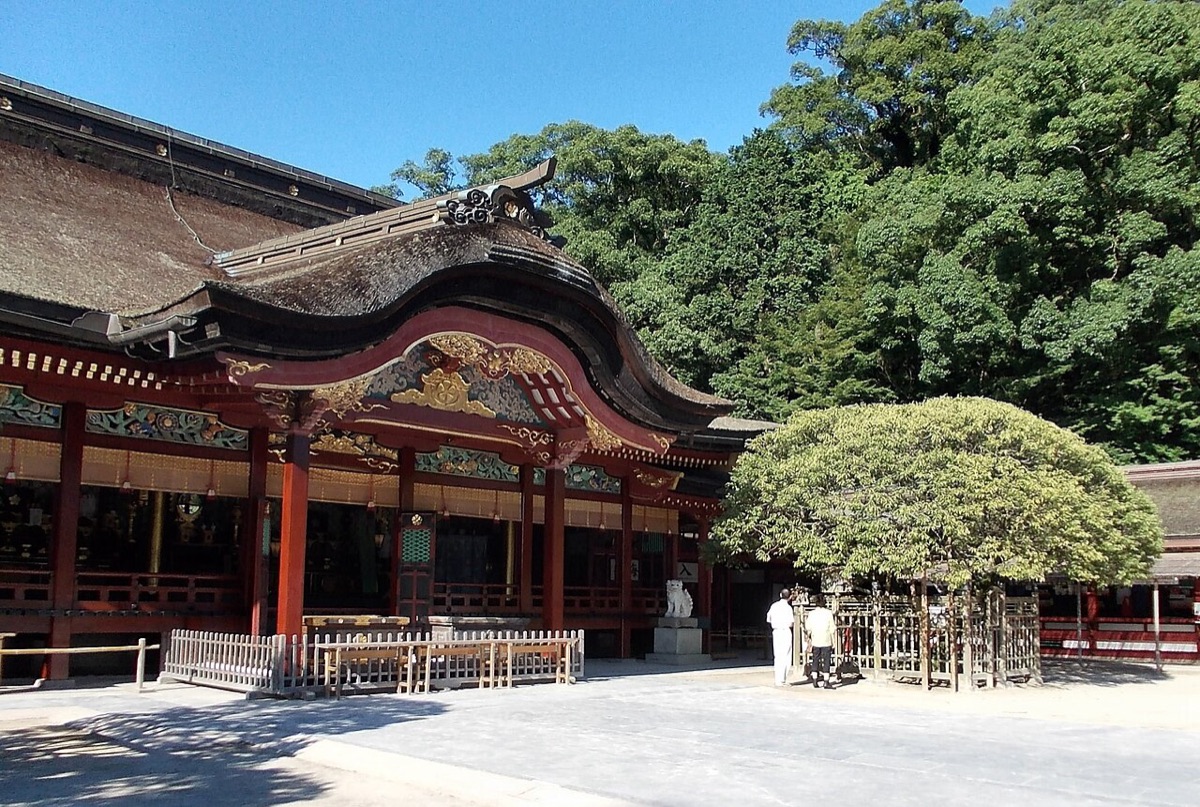
Dazaifu Tenmangu's main hall (honden) finished its first major restoration in 124 years in 2026; it was shown to the press on May 18, and front worship resumed on September 19. From Tenjin, take the Nishitetsu train and change at Futsukaichi for Dazaifu Station, a 5-minute walk from the shrine; from Hakata, the Nishitetsu Tabito bus runs direct. About 30 shops on the approach sell umegae mochi. You can add the Kyushu National Museum, or use Nishitetsu's Dazaifu-Yanagawa sightseeing ticket (3,620 yen for adults, digital, as of June 2026) to add a Yanagawa boat ride within two days.
Dazaifu Tenmangu is the most popular day trip from Fukuoka, a shrine dedicated to Sugawara no Michizane, the deity of learning. The big news for 2026 is that the main hall's first major restoration in 124 years is finished, and front worship resumed in September. For more than three years visitors saw a temporary hall instead; now the Momoyama-period building with its cypress-bark roof is back in view. This guide covers what to know about worship at Dazaifu Tenmangu after the restoration, how to get there from Tenjin and Hakata, umegae mochi and food on the approach, the Kyushu National Museum, and how to add Yanagawa with a Nishitetsu ticket.
Is the Dazaifu Tenmangu renovation finished? Visiting in 2026
The short answer: yes. The roughly three-year restoration of the main hall was completed in 2026 and shown to the press on May 18[1], and front worship at the main hall resumed on September 19[2].
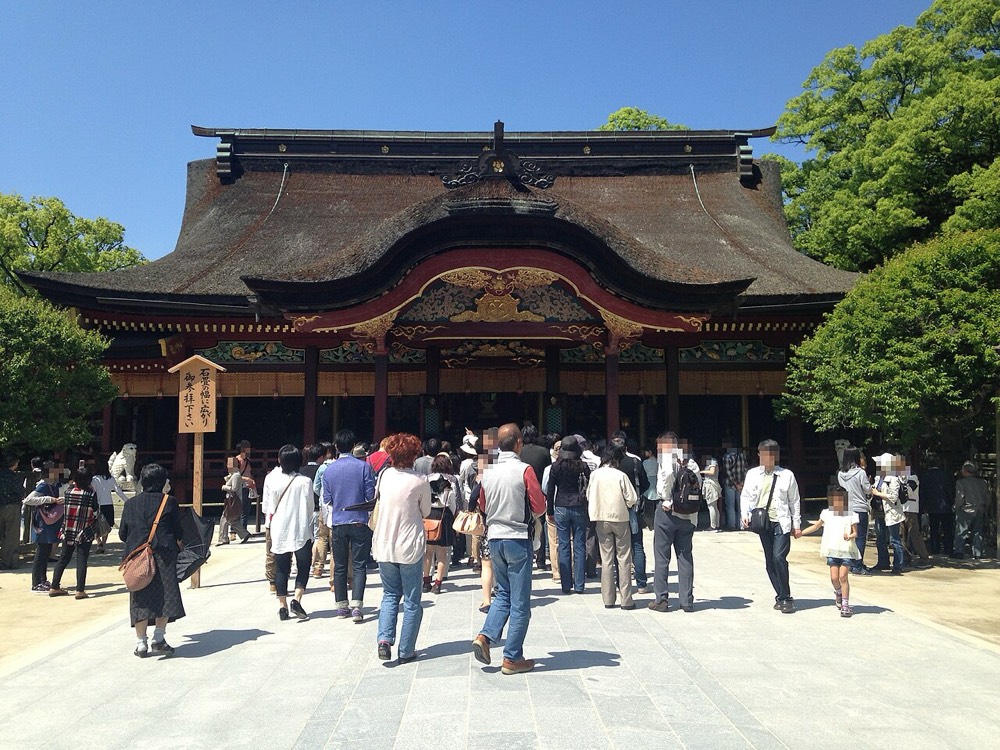
Dazaifu Tenmangu's main hall (honden) is a nationally designated Important Cultural Property, rebuilt about 430 years ago in the Momoyama period. The "Reiwa Great Restoration" began in May 2023 and was the largest repair in 124 years, including fully re-laying the hiwada-buki roof of layered cypress bark, re-lacquering and repainting, and reinforcing the structure against natural disasters[5]. According to Kyodo News, the restored main hall was shown to the press on May 18, 2026, its splendor returned to how it looked when it was rebuilt[1].
The main changes for visitors:
- Front worship at the main hall is back: the shrine announced that from September 19, 2026, front worship at the main hall resumed for the first time in about three and a half years[2].
- Prayer ceremonies have moved: from May 17, 2026, individual prayers are held at the Gishiki-den of Seishinkan, with reception from 9:00 to 16:30. Individuals need no reservation; apply at the prayer reception inside the Romon gate[3].
- The temporary hall: during the restoration, the deity was moved to a temporary main hall (karidono) designed by architect Sou Fujimoto, with trees growing on its roof[4]. It was always meant to be used only during the restoration; as of October 2026 the shrine's notices no longer mention worship there, so check the official website and on-site notices for whether it can still be seen.
The shrine's opening hours change with the season: the gates open at 6:00 after the spring equinox and 6:30 after the autumn equinox, and close at 19:00 in April-May and September-November, 19:30 in June-August, and 18:30 in December-March[6]. Crowds are heavy at New Year and during exam season; for photos of the main hall with fewer people, arrive before 9:00.
The 2027 Shikinen Taisai: 1,125 years since Sugawara no Michizane
The short answer: 2027 (Reiwa 9) marks 1,125 years since Sugawara no Michizane's death, and the shrine holds a Shikinen Taisai every 25 years; the main hall restoration was carried out for it. A detailed festival schedule has not been announced.
The shrine explains that Michizane was born on June 25 and died on February 25, so 25 is a number closely tied to him: monthly rites are held on the 25th, and a Shikinen Taisai every 25 years[4]. Besides the main hall, the festival projects include repairs to the Romon gate and corridors, updated fire and disaster prevention facilities, and conservation of the shrine forest, "Tenjin no Mori"[4].
How to get from Fukuoka to Dazaifu
The short answer: the Nishitetsu train from Tenjin is the easiest, changing at Nishitetsu Futsukaichi for one stop on the Dazaifu Line; if you are staying near Hakata Station, the Nishitetsu Tabito bus goes direct with no transfer.
| From | How | Time (approx.) | Notes |
|---|---|---|---|
| Nishitetsu Fukuoka (Tenjin) Station | Nishitetsu Tenjin Omuta Line, change at Nishitetsu Futsukaichi for the Dazaifu Line | 30-45 minutes (including the transfer) | The most common route |
| Nishitetsu Fukuoka (Tenjin) Station | Tabito sightseeing train | Depends on the service | No reservation or extra fee |
| Hakata Bus Terminal | Nishitetsu Tabito bus (direct to Dazaifu) | About 40 minutes | Via Fukuoka Airport international terminal; longer in traffic |
| Dazaifu Station | Walk | About 5 minutes | The approach starts right outside the station |
By Nishitetsu train: from Nishitetsu Fukuoka (Tenjin) or Yakuin Station, take the Tenjin Omuta Line south, change at Nishitetsu Futsukaichi to the Dazaifu Line, and ride one stop to the terminus, Dazaifu Station. Nishitetsu also runs a Dazaifu-themed sightseeing train called Tabito; the Fukuoka Prefecture Tourist Association notes it needs no reservation or extra fee and can be ridden with the sightseeing ticket[8]. Check Nishitetsu's website for the timetable.
By bus: the Nishitetsu Tabito bus leaves from Hakata Bus Terminal and runs via the Fukuoka Airport international terminal straight to Dazaifu, which suits travelers staying near Hakata Station or heading there directly from the airport. Check the Nishitetsu bus website for fares and schedules. Traffic in Dazaifu is often heavy on weekends and at New Year, so allow extra time for the return.
Single fares vary by route and ticket type, so check Nishitetsu's website or a route-planning app. For where to stay and how to get around Fukuoka, start with our Kyushu transport guide.
Dazaifu food on the approach: umegae mochi and Starbucks
The short answer: the star of Dazaifu food is umegae mochi, grilled fresh at about 30 shops along the approach[9], with special versions on the 17th and 25th of each month.
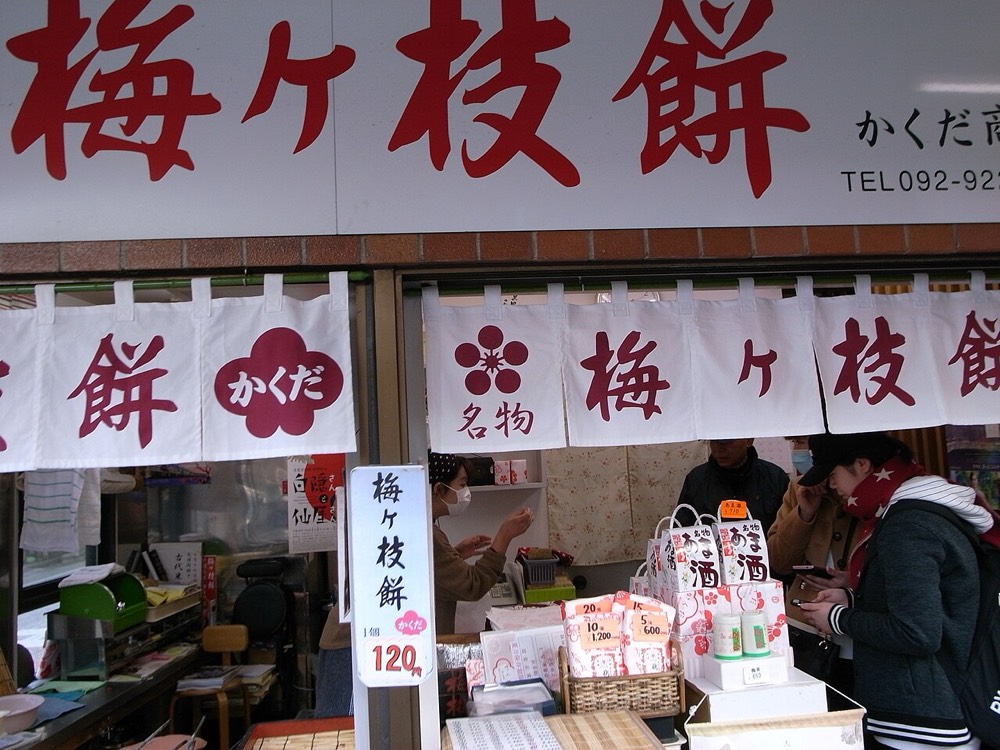
Umegae mochi is a round cake made of glutinous and regular rice flour, filled with red bean paste and grilled on both sides, then stamped with a plum blossom. The outside is slightly crisp and the filling not too sweet. Legend has it that when Sugawara no Michizane was exiled to Dazaifu and living in hardship, an old woman brought him rice cakes skewered on a plum branch, which gave the sweet its name[9]. On the 17th of each month (Kyushu National Museum day) there is a version with ancient rice, and on the 25th (Tenjin day) a mugwort version[9].
Tips for eating umegae mochi:
- Best eaten hot: the crust softens as it cools, so eat it at the shop right after buying. Prices vary by shop; go by what is posted.
- Compare shops: crust thickness and how dark it is grilled differ, and the busiest shop is not always the one you will like best, so try two.
- As a souvenir: most shops sell boxes, but they keep only briefly, so buy them the day before you fly home.
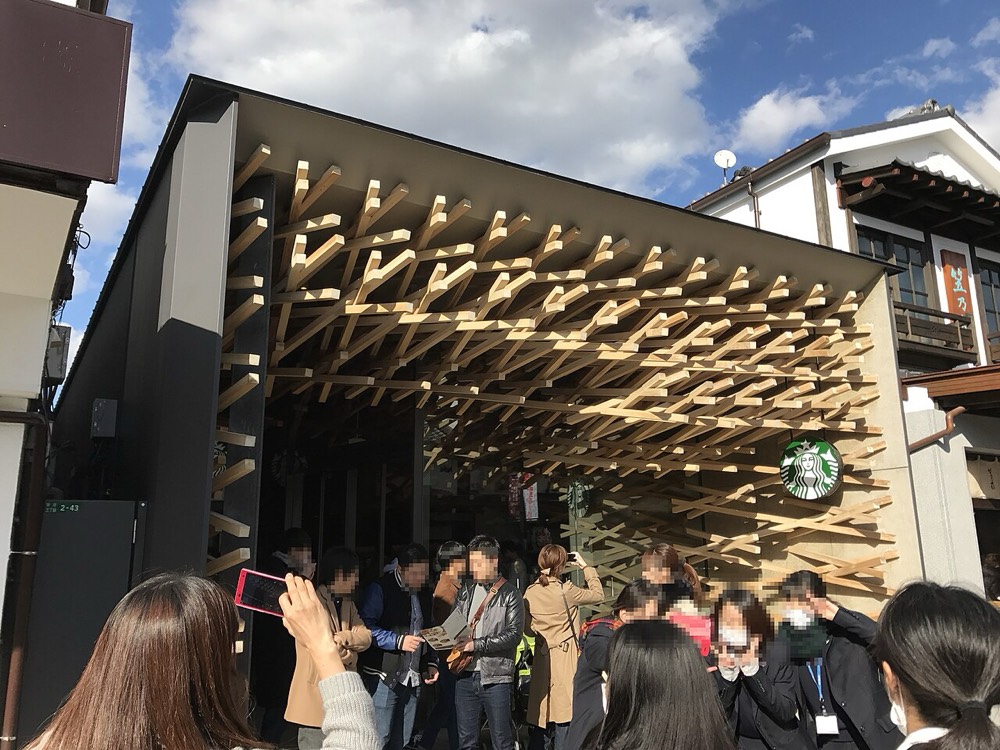
Starbucks Coffee Dazaifu Tenmangu Omotesando is another popular photo spot on the approach. Designed by architect Kengo Kuma, its facade and ceiling are made of many slender wooden sticks set diagonally, continuing from the entrance deep inside. Lines are long on weekends; to get a seat, go right when it opens.
The approach also has stalls selling grilled mentaiko, amazake and matcha sweets. For ramen, yatai and other specialties in central Fukuoka, see our Fukuoka food guide.
Adding the Kyushu National Museum and Komyozenji
The short answer: the Kyushu National Museum is right beside the shrine, linked by escalators and a walkway, so it fits neatly after your visit; Komyozenji is famous for autumn leaves, but access has been uncertain in recent years, so check before you go.
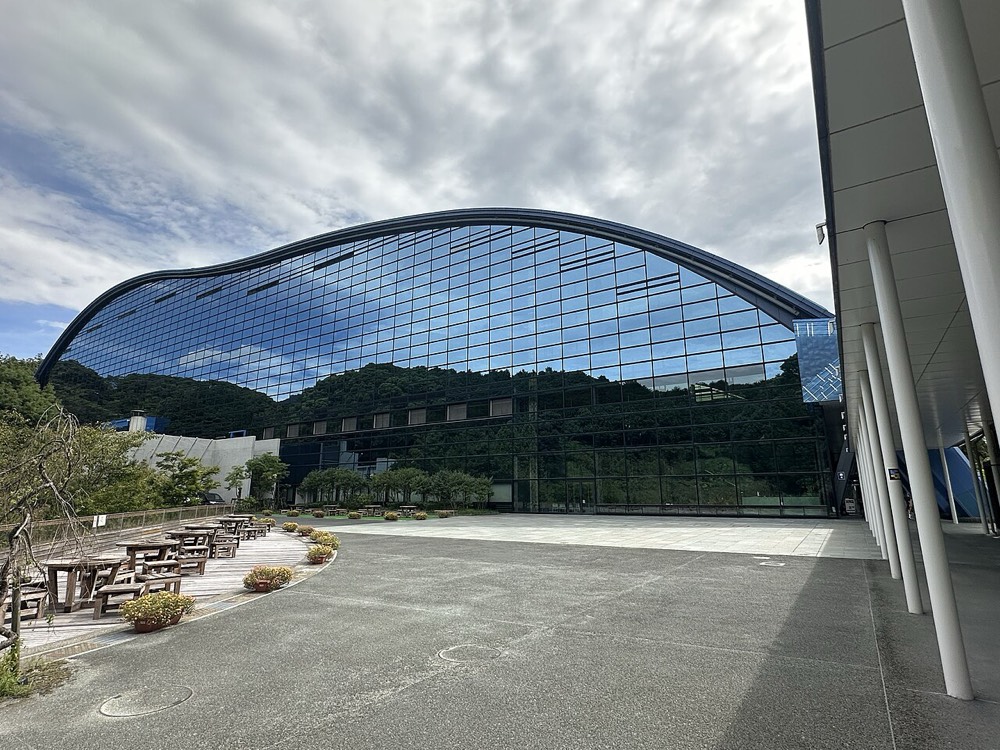
The Kyushu National Museum is Japan's fourth national museum, themed on understanding the formation of Japanese culture from the perspective of Asian history. A connecting walkway and escalators lead there from the shrine grounds, which is handy on rainy days.
| Item | Details (checked October 2026) |
|---|---|
| Opening hours | 9:30-17:00 (last entry 16:30) |
| Late opening | Saturdays during special exhibitions, until 19:00 (last entry 18:30) |
| Closed | Mondays (or the next day if Monday is a national or substitute holiday), year end |
| Cultural Exchange Exhibition (permanent) | General 700 yen, university students 350 yen, free for high school students and younger or under 18 |
| Combined ticket with the shrine | 1,000 yen, covering the shrine's Treasure Hall, the Kanko History Museum and the Cultural Exchange Exhibition |
The details above are from the Kyushu National Museum website[7]. Bought separately, the three would cost 1,400 yen (Treasure Hall 500, Kanko History Museum 200, Cultural Exchange Exhibition 700 yen), so the combined ticket is good value if you want to dig into Michizane and Dazaifu history[7]. From October 31, 2026 to January 11, 2027, there is also a special exhibition on "Himiko's Mirrors," which requires a separate ticket[7].
Komyozenji stands beside the shrine and is known for its dry landscape garden, "Itteki-kai no Niwa," and its autumn leaves, which in past years peaked around mid to late November. However, some travel sites report that the temple has suspended visits, and we could not confirm from official sources whether it will open in autumn 2026, or its fee and hours. If you are going specifically for the leaves, follow the temple's or the Dazaifu tourism association's notices. For other places to see autumn leaves in Kyushu and forecasts, see Kyushu autumn leaves 2026.
Dazaifu plus Yanagawa: is the Nishitetsu sightseeing ticket worth it?
The short answer: to visit both Dazaifu and Yanagawa, Nishitetsu's Dazaifu-Yanagawa sightseeing ticket is the simplest option, covering round-trip Nishitetsu trains and a Yanagawa boat ride, valid for two days.
Nishitetsu's "Dazaifu-Yanagawa Kanko Kippu" bundles Nishitetsu train tickets from Tenjin (or Yakuin), a ticket for Yanagawa's kawakudari river boat ride, and coupons for use in both Dazaifu and Yanagawa. According to the Fukuoka Prefecture Tourist Association as of June 2026[8]:
| Ticket type | Adult | Child |
|---|---|---|
| Digital ticket (bought in an app or browser) | 3,620 yen | 1,810 yen |
| Paper ticket (bought at Nishitetsu Fukuoka (Tenjin) or Yakuin Station) | 3,730 yen | 1,870 yen |
Key rules[8]:
- Starting point: only from Nishitetsu Fukuoka (Tenjin) or Yakuin Station.
- Validity: two days counting the first day of use, so you can stay a night in Yanagawa or Dazaifu.
- Stopovers: you can get off only at Dazaifu and Nishitetsu Yanagawa; once you return to your starting station, the ticket ends.
- Order: Dazaifu then Yanagawa, or Yanagawa then Dazaifu, both work.
The ticket price has been revised before, so check Nishitetsu's website for the latest fare before buying. The river boat ride has a cut-off time for reception, so on a one-day trip to both, go to Dazaifu first thing in the morning, take the train to Yanagawa before noon (changing at Futsukaichi back to the Tenjin Omuta Line southbound), ride the boat and eat Yanagawa's famous steamed eel (unagi no seiro-mushi) in the afternoon, and head back to Tenjin in the evening.
Sample Dazaifu day trip itineraries
The short answer: half a day is enough for Dazaifu alone; adding the Kyushu National Museum takes a full day, and adding Yanagawa means an early start or two days.
Half day (shrine and approach only)
- 9:00 Leave Tenjin by Nishitetsu train for Dazaifu Station.
- 9:45 Walk the approach to the shrine and see the restored main hall and the Tobiume plum tree.
- 11:00 Eat umegae mochi and browse the Starbucks and shops on the approach.
- 12:00 Return to central Fukuoka for lunch.
Full day (shrine plus museum): worship and the approach in the morning, then after lunch take the connecting walkway to the Kyushu National Museum, return to Fukuoka in the late afternoon, and head to the Nakasu yatai in the evening.
Two places (Dazaifu plus Yanagawa): buy the sightseeing ticket, leave Tenjin a little after 8:00, do Dazaifu in the morning and Yanagawa in the afternoon, or stay a night in Yanagawa.
Dazaifu is close to central Fukuoka, so there is no need to stay overnight there; leaving your luggage at a city hotel is easiest. If you have not decided which area to stay in, see our guide on where to stay in Fukuoka.
Before you go
- New Year and exam season are busiest: during hatsumode in early January and exam season from January to March, the approach and Nishitetsu trains are very crowded, especially on weekends.
- The 2027 Shikinen Taisai: once dates are announced, there may be traffic controls or changes to the worship route during the festival; follow the official website.
- Wear comfortable shoes: the approach and grounds are mostly stone paving, and the walkway to the museum includes slopes.
- Cash and IC cards: many shops on the approach take electronic payment, but some older shops are cash only, so carry some coins.
FAQ
Is the Dazaifu Tenmangu renovation finished? Can I worship at the main hall now?
Yes. The roughly three-year restoration of the main hall was completed in 2026 and shown to the press on May 18. The shrine announced that front worship at the main hall resumed on September 19, 2026, for the first time in about three and a half years. Prayer ceremonies have been held in the Gishiki-den of Seishinkan since May 17.
What is the easiest way to get from Fukuoka to Dazaifu?
From Tenjin, take the Nishitetsu Tenjin Omuta Line to Nishitetsu Futsukaichi, change to the Dazaifu Line for one stop to Dazaifu Station, then walk about 5 minutes to the shrine. If you are staying near Hakata Station, the Nishitetsu Tabito bus goes direct with no transfer, though traffic can lengthen the trip.
What is umegae mochi and where can I buy it?
Umegae mochi is a thin cake of glutinous and regular rice flour filled with red bean paste, grilled and stamped with a plum blossom. Legend says it comes from a woman who brought Sugawara no Michizane rice cakes on a plum branch. About 30 shops on the approach sell it, with an ancient-rice version on the 17th and a mugwort version on the 25th of each month.
Can I see Dazaifu and Yanagawa in one day?
Yes, but it is a full day. Visit Dazaifu in the morning, take the Nishitetsu train to Yanagawa before noon, enjoy the boat ride and steamed eel in the afternoon, then head back to Tenjin. Nishitetsu's Dazaifu-Yanagawa sightseeing ticket is valid for two days from first use, so you can also stay a night in Yanagawa.
What is happening at Dazaifu Tenmangu in 2027?
2027 (Reiwa 9) marks 1,125 years since the death of Sugawara no Michizane, and the shrine holds a grand Shikinen Taisai festival every 25 years; the main hall restoration was carried out for it. As of October 2026, the shrine had not published a detailed festival schedule, so check its website before you go.
Sources
- Kumamoto Nichinichi Shimbun (Kyodo News) | Dazaifu Tenmangu unveils its main hall after first major restoration in 124 years: The completed main hall shown to the press on May 18, 2026
- Dazaifu Tenmangu | Notice about front worship at the main hall: Front worship at the main hall resumed on September 19, 2026
- Dazaifu Tenmangu | Prayer ceremonies from May 17, 2026: Prayers moved to the Seishinkan Gishiki-den; reception hours
- Dazaifu Tenmangu | Shikinen Taisai: 2027 festival for the 1,125th anniversary of Sugawara no Michizane, main hall restoration, temporary hall designed by Sou Fujimoto
- Japan Tourism Agency multilingual commentary database | Restoration of the Main Sanctuary: Work began May 2023, cypress-bark roof, purpose of the temporary hall
- Dazaifu Tenmangu official website: Gate opening and closing times
- Kyushu National Museum | Visitor information: Opening hours, closing days, Cultural Exchange Exhibition admission, combined ticket with the shrine
- Crossroad Fukuoka (Fukuoka Prefecture Tourist Association) | Dazaifu-Yanagawa sightseeing ticket: Prices as of June 2026, validity, the Tabito sightseeing train
- Crossroad Fukuoka | Umegae mochi: Origin of umegae mochi, number of shops, special versions on the 17th and 25th
Fares, opening hours and event dates can change. Information checked on 2026.10.22; please confirm with official sources before you go.