Japan Skiing for Beginners: How to Choose a Resort, Beginner-Friendly Resorts Compared, Costs and Chinese-Speaking Instructors
First time skiing in Japan? Compare 7 beginner-friendly resorts in Hokkaido and Honshu by green runs, lessons in English or Chinese, access and 2026-27 lift prices.
Quick answer
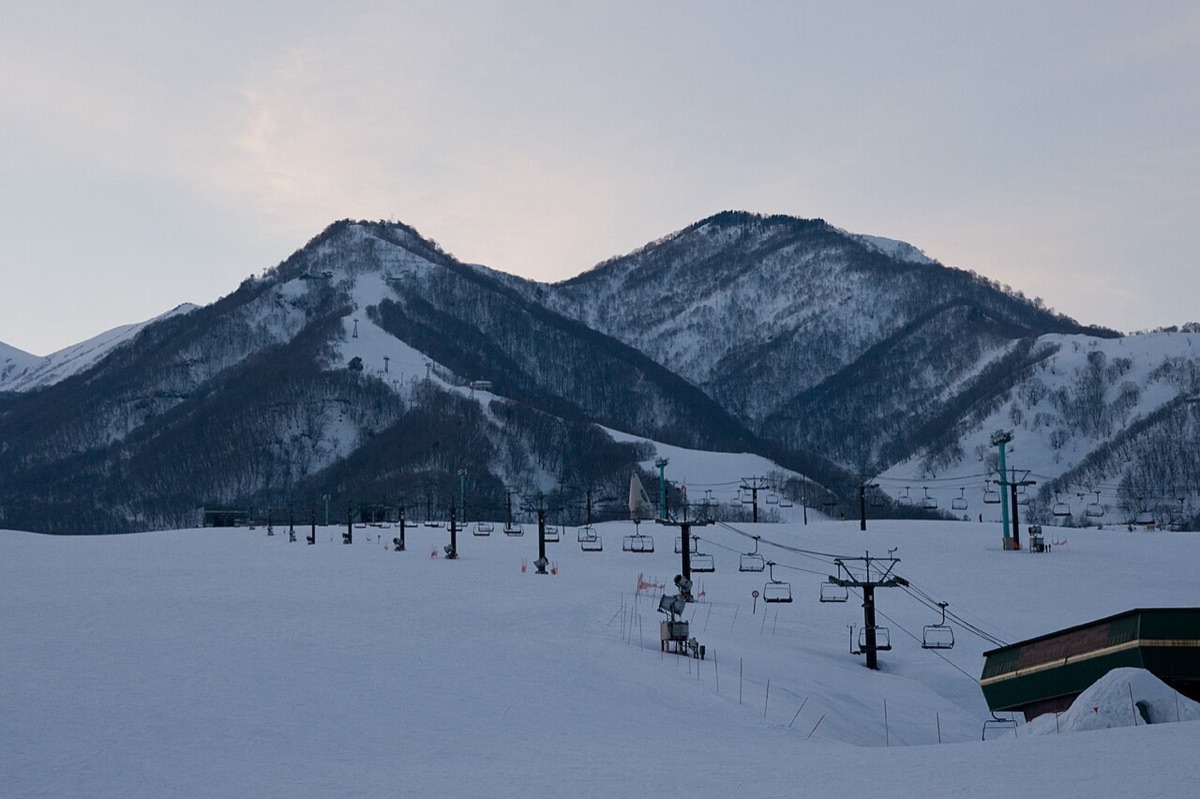
For a first ski trip to Japan, judge resorts on four things: wide, gentle beginner runs; lessons in a language you understand; easy rentals; and a short transfer from the airport or a big city. On a budget and day-tripping from Tokyo, choose GALA Yuzawa (direct shinkansen, 2026-27 adult 1-day ticket 8,000 yen at the window). To stay on the mountain with full lesson options, choose Rusutsu or Kiroro. Tsugaike Kogen has a gentle slope more than 1,200 m wide. Three days at GALA Yuzawa with one group lesson comes to roughly 70,000 yen for lift tickets, rentals and the lesson.
The first hurdle for beginners skiing in Japan is choosing a resort: there are so many, so which one actually suits someone who has never skied? The answer is not about fame but four conditions: wide, long gentle slopes; lessons in a language you understand; convenient rentals; and how long it takes to get there from the airport or a big city. This guide compares seven resorts in Hokkaido and Honshu on those conditions, with official 2026-27 lift prices, a 3-day cost estimate, a realistic day-one schedule and the safety rules every beginner must know.
What makes a ski resort beginner-friendly?
Bottom line: a high share of beginner runs, long gentle slopes, lessons in a foreign language, rentals at the base and simple access. A resort that ticks four of these five is a good choice for a first trip.
- Gentle slopes should be long, not just present: many resorts have only a short practice area at the base, so once you can stop there is nowhere left to practice. Ideally there is a long beginner run winding down from higher up, such as GALA Yuzawa's Edelweiss, about 1.6-1.7 km at roughly 10 degrees[3].
- Share of beginner runs: more beginner runs mean different routes on day two and three instead of lapping the same slope. Naeba has 10 beginner runs out of 24[6], and GALA Yuzawa lists 35% beginner terrain[3].
- Lesson language and format: Japanese-language group lessons are usually cheapest, but you learn nothing if you cannot follow. English lessons are common at large resorts; Chinese lessons are mostly private, expensive and limited, so book early.
- Rental and changing flow: ideally the rental shop, lockers and ticket office are in one building; otherwise you carry skis and boots some distance, and day one is exhausting before you even start.
- Transfer time: if the resort is more than 3 hours from the airport or a big city, half a day of skiing disappears. With only 3-4 days off, access matters more than snow quality.
- Things for non-skiers: if you travel with children or family who won't ski, check for snow play parks, onsen or a gondola ride for the views.
A "beginner village" usually means the practice area set aside for beginners, sometimes with a magic carpet (a conveyor-belt lift) or a kids' snow park. When choosing, check the length and spread of the green runs on the official course map rather than the resort's total size.
Best ski resorts in Japan for beginners: 7 resorts compared
Bottom line: from Tokyo with little time, choose GALA Yuzawa or Naeba; for wide gentle slopes and an onsen village, choose Tsugaike Kogen or Nozawa Onsen; to stay at a resort with foreign-language lessons, choose Rusutsu or Kiroro; staying in Sapporo and adding one ski day, choose Teine.
| Resort | Area | 2026-27 opening | Beginner-friendly points | Foreign-language / Chinese lessons | Public transport | Adult 1-day ticket (official 2026-27) |
|---|---|---|---|---|---|---|
| Sapporo Teine | Sapporo, Hokkaido | 11/21 | Olympia zone with 8 runs, aimed at families and beginners | Languages not listed on English page; ask the school | JR Teine Station + bus about 16 min | Peak 9,800 yen, online 8,800 yen |
| Rusutsu | Hokkaido | 11/28 | Destination resort, hotels connected to the slopes | English international school; certified Chinese school | Winter bus from Sapporo about 105 min | Peak 16,700 yen, online 13,200 yen |
| Kiroro | Hokkaido | 11/28 | Heavy snowfall, resort hotels on the mountain | English and Chinese private lessons | Buses from Sapporo and New Chitose; see official site | 9,200 yen (12/12-4/11) |
| GALA Yuzawa | Niigata | 12/19 | Direct from the shinkansen station, 35% beginner, beginner run about 1.6 km | Foreign-language school has run Chinese/English trial classes | Shinkansen from Tokyo, fastest about 71 min | Window 8,000 yen, online 7,500 yen |
| Naeba | Niigata | 12/18 | 10 of 24 runs beginner, beginner runs right in front of the hotel | 2026-27 lesson details not yet announced | Echigo-Yuzawa Station + shuttle; direct bus from Ikebukuro | Mt.Naeba 11,800 yen, Naeba Area 9,800 yen |
| Tsugaike Kogen | Hakuba, Nagano | 12/1 | Kane-no-naruoka gentle slope over 1,200 m wide | International school teaches in English and Chinese | Express buses from Shinjuku and Nagano Station | Window 9,800 yen |
| Nozawa Onsen | Nagano | 11/28 | Wide gentle slopes at Uenotaira, Hikage and Nagasaka; onsen town at the base | Foreign-language school; see official site | Iiyama Station + bus about 25 min | 7,800 yen (12/19-3/28) |
Ticket prices are from each resort's official website (checked November 2026): Teine[17], Rusutsu[19], Kiroro[21], GALA Yuzawa[1], Naeba[5], Tsugaike[8] and Nozawa Onsen[11]. Peak, early-season and spring prices differ; check each official site for the full periods.
Honshu: three time-saving options from Tokyo
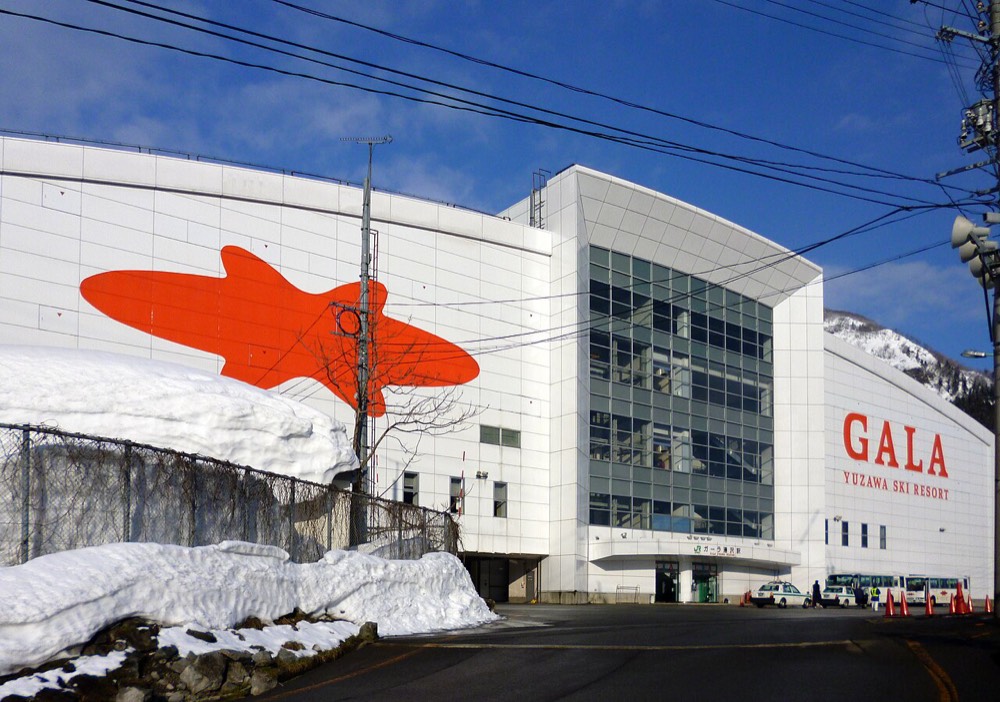
GALA Yuzawa is the "step off the shinkansen onto the slopes" type: the station and ski center share one building with rentals, lockers and tickets inside, making it the least stressful choice for first-timers. Skiing opens on December 19 in the 2026-27 season, but the South area is closed this season and only the Central and North areas operate[1]. It suits people day-tripping or staying 2-3 days in Echigo-Yuzawa; for detailed access and a day plan, see the GALA Yuzawa ski day trip.
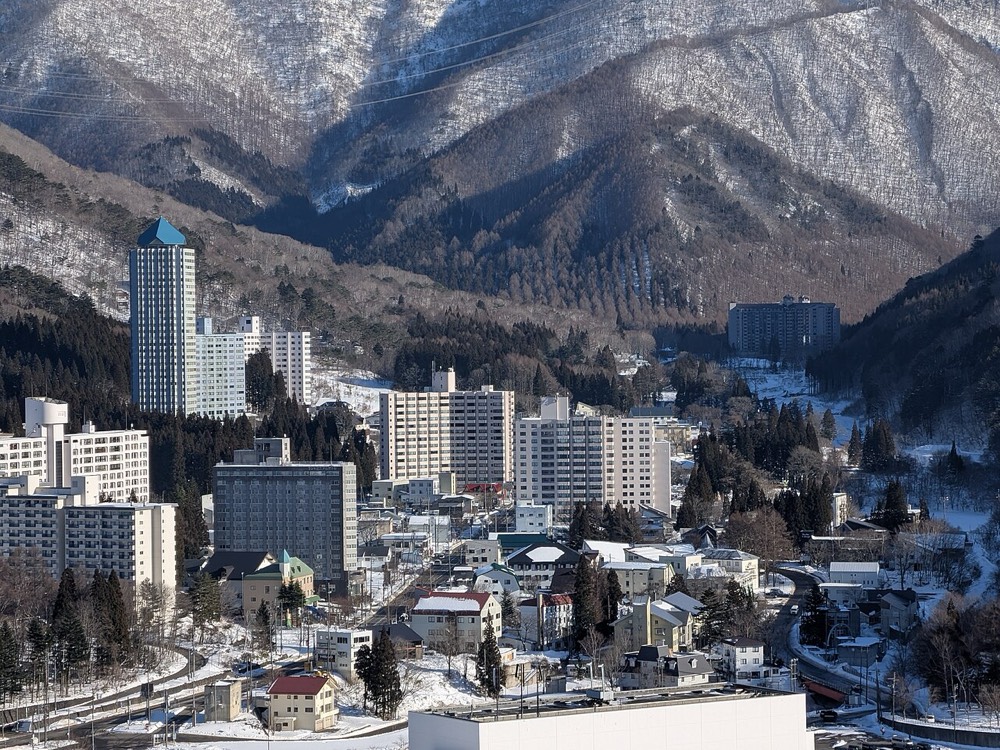
Naeba connects the hotel directly to the slopes, with four beginner runs right in front of the base hotel, plus beginner runs in the Dragondola area and the summit area[6], so you can switch areas as you improve. The 2026-27 ski season runs from December 18 to April 4, 2027; a Mt.Naeba 1-day ticket is 11,800 yen at the window, and a Naeba Area-only ticket is 9,800 yen[5]. Hotel guests get a free shuttle from Echigo-Yuzawa Station (from December 11, 2026), and a direct bus runs from Sunshine City Prince Hotel in Ikebukuro, with times not yet announced[7].
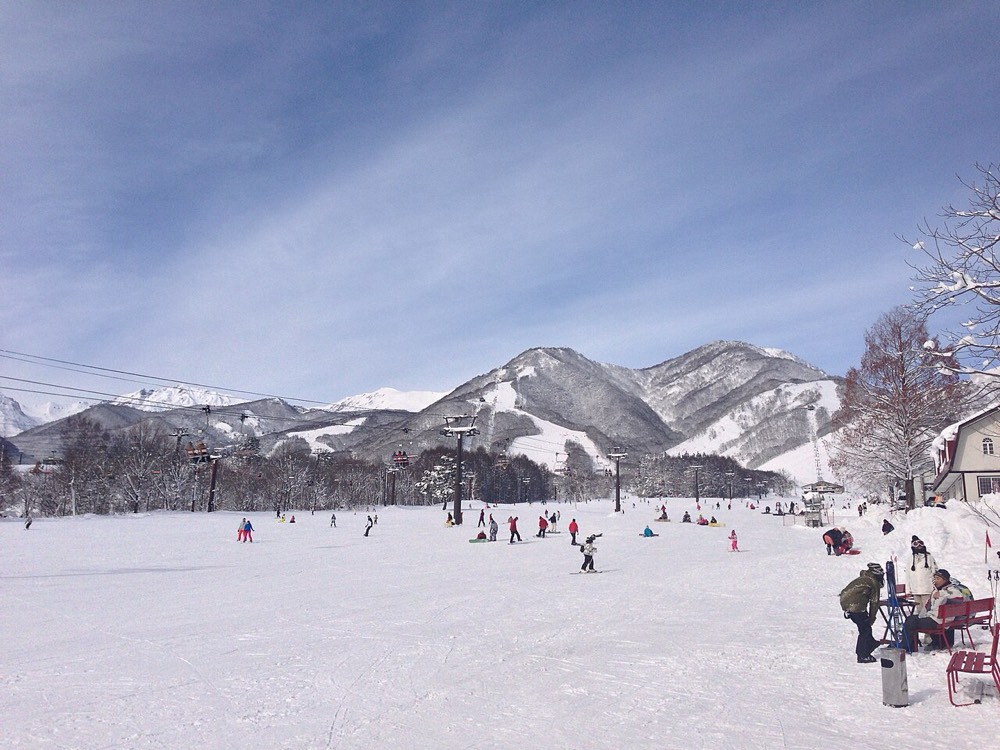
Tsugaike Kogen sits on the northern side of the Hakuba Valley in Nagano. The official site describes its base "Kane-no-naruoka" slope as more than 1,200 m wide with a gentle gradient, an unusually large practice area; the longest run is 5,000 m, so there is room to grow[9]. The 2026-27 season is scheduled to open December 1; a window 1-day ticket is 9,800 yen, and an early-bird 1-day ticket bought by November 30 is only 6,500 yen[8]. The international ski school listed on the official site teaches in English and Chinese, and there is a childcare center for children aged 1.5 to 6[10].
Onsen villages and destination resorts: stay and learn at your own pace
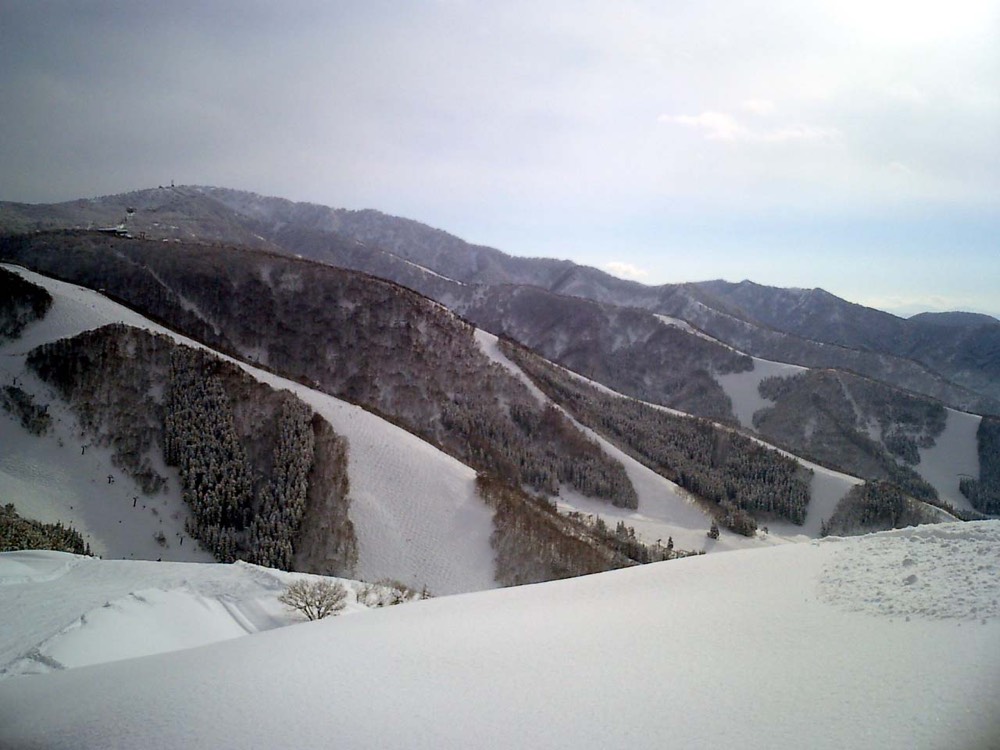
Nozawa Onsen is a village where the hot-spring town and ski slopes meet, so you can walk to a public bath after skiing. The official family page says the Uenotaira and Paradise slopes up the mountain are wide and gentle with better snow, and Hikage and Nagasaka at the base also have wide gentle slopes for practice; the kids park at Hikage is free and open 9:00-16:00 from December 19 to March 28[12]. The 2026-27 regular-period 1-day ticket is 7,800 yen[11], the cheapest in this comparison. Take the Hokuriku Shinkansen to Iiyama Station, then the Nozawa Onsen Liner bus, about 25 minutes and 600 yen one way for adults[13]. The nearby Jigokudani Snow Monkey Park fits into the same Nagano trip.
Rusutsu and Kiroro are Hokkaido destination resorts with hotels, restaurants and slopes connected, suited to families staying four days or more. Rusutsu's international ski school operates from November 28, 2026 to March 31, 2027, with lessons in English only[15]; if you need Chinese, use the officially certified Chinese school (prices in the next section). Kiroro's international academy offers private lessons only, and you can request a Chinese-speaking instructor on the booking form[16]. From Sapporo to Rusutsu, the official winter bus takes about 105 minutes and costs 3,000 yen one way, booked online by the day before[20].
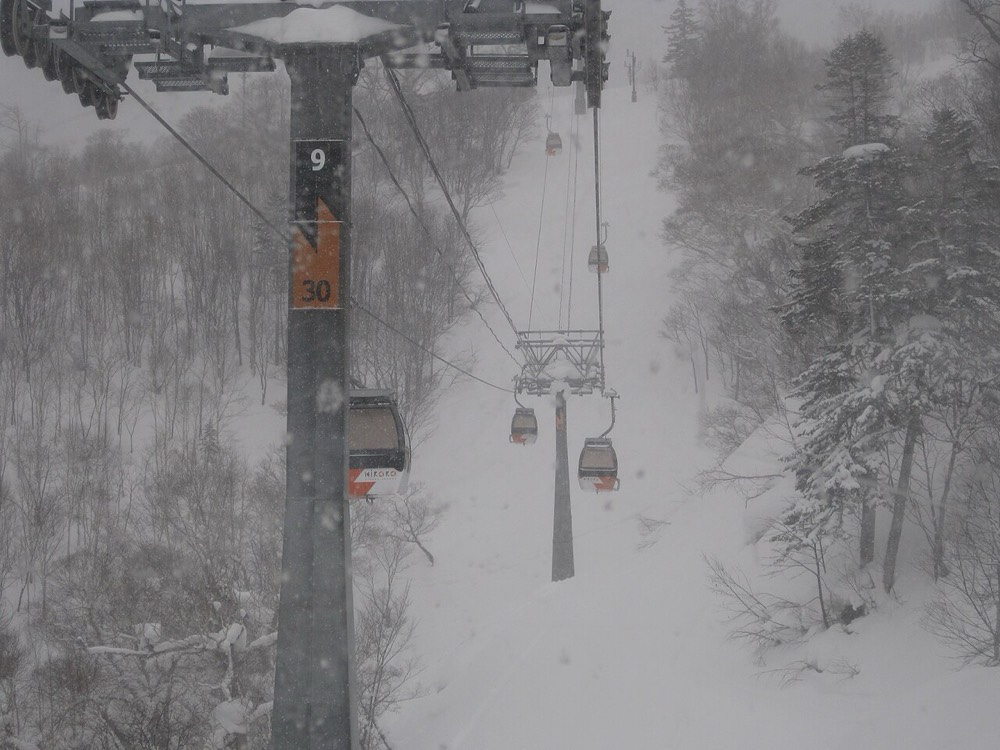
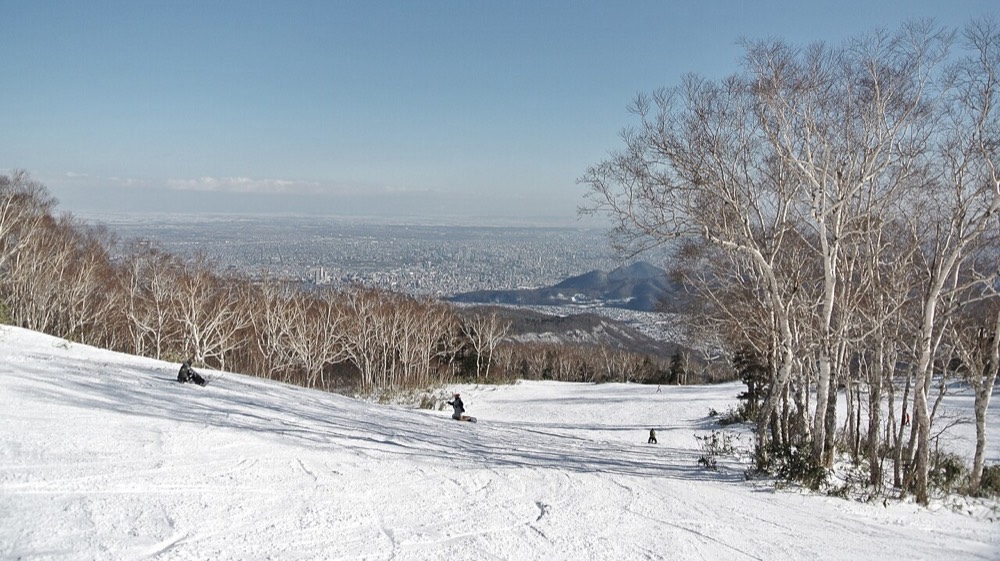
Sapporo Teine suits people staying in central Sapporo who want to try skiing for a day or two: the bus from JR Teine Station to the Olympia zone takes about 16 minutes and costs 1,000 yen for adults[18], and the Olympia zone is aimed at families and beginners. Furano is another common Hokkaido pick for beginners; see Furano winter guide. To combine snow monsters with skiing, see Zao snow monsters 2027.
How to choose Chinese-speaking ski instructors and lessons in Japan
Bottom line: on a budget, take an English or Japanese group lesson; choose a Chinese private lesson only if you can't follow English and want to learn fast. Booking a private lesson with several people cuts the cost per person considerably.
Chinese-speaking instructors do exist in Japan, but mostly as private lessons. Take Konayuki, Rusutsu's officially certified Chinese ski school: in 2026-27 it operates from December 1, 2026 to March 31, 2027, all instructors speak Chinese, and private lessons are for 1-4 people in 3-hour or 6-hour sessions[14]:
| Period (2026-27) | 3 hours: 1 / 2 / 4 people | 6 hours: 1 / 2 / 4 people |
|---|---|---|
| 12/1-12/7, 3/20-3/31 | 40,000 / 50,000 / 60,000 yen | 80,000 / 90,000 / 100,000 yen |
| 12/8-12/14, 2/21-3/19 | 50,000 / 60,000 / 70,000 yen | 100,000 / 110,000 / 120,000 yen |
| 12/15-12/27 | 70,000 / 80,000 / 90,000 yen | 130,000 / 140,000 / 150,000 yen |
| 12/28-2/20 | 60,000 / 70,000 / 80,000 yen | 110,000 / 120,000 / 130,000 yen |
There is also an instructor booking fee of 10,000 yen per lesson[14]. Four people sharing a 3-hour peak-season lesson pay 80,000 yen plus the booking fee, about 22,500 yen each; one person taking the same lesson pays 70,000 yen.
Other options:
- Kiroro International Academy: private lessons are 80,000 yen for a 4-hour full day and 55,000 yen for a 2-hour morning, including tax and insurance, plus 5,000 yen per extra person up to six; the site does not state which season these prices apply to[16].
- GALA Yuzawa foreign-language school: in past seasons it ran a group "zero-experience trial class" for complete beginners, 1.5 hours with up to 8 per class, 12,000 yen from mid-January to early March in 2025-26[4]. Check the official site for 2026-27 details.
- Tsugaike Kogen: the international school teaches in English and Chinese; ask the school directly for prices[10].
Booking tip: Christmas-New Year and the Lunar New Year period are the busiest times for foreign-language lessons. Book lessons as soon as your dates are fixed, then book rentals.
How much does a ski trip to Japan cost? A 3-day beginner estimate
Bottom line: three days at GALA Yuzawa with one trial lesson comes to about 70,000 yen for tickets, rentals and the lesson. Bringing your own ski wear and choosing a cheaper resort brings it to the mid-50,000s; a destination resort with a Chinese private lesson can exceed 100,000 yen.
Estimate A: GALA Yuzawa, 3 days + 1 group lesson (from Tokyo)
| Item | Unit price (yen) | 3-day total (yen) |
|---|---|---|
| 1-day ticket (online price) | 7,500 | 22,500 |
| Gear set rental (3-piece ski set or 2-piece snowboard set) | 6,500 | 19,500 |
| Ski wear rental | 5,500 | 16,500 |
| 1 foreign-language trial group lesson (2025-26 reference price) | 12,000 | 12,000 |
| Total | — | 70,500 |
Tickets follow GALA Yuzawa's official 2026-27 prices[1]; rentals are the one-day price times three[2], so check the official site for any multi-day discount. Bringing your own jacket and pants saves 16,500 yen. This estimate excludes the shinkansen, lodging and meals.
Estimate B: Rusutsu, 3 days + peak-season Chinese private lesson
Peak online 1-day ticket 13,200 yen × 3 days = 39,600 yen[19]; a 3-hour Chinese private lesson on day one for one person is 60,000 yen plus a 10,000 yen booking fee[14], for a total of 109,600 yen, not counting rentals, lodging or buses. If two people share the lesson (70,000 yen plus the booking fee), each person's lesson cost drops to 40,000 yen.
Ways to save
- Buy tickets online in advance: Rusutsu's peak ticket is 16,700 yen at the window and 13,200 yen online, a 3,500 yen difference[19]; Tsugaike's early-bird 1-day ticket bought by November 30 is 6,500 yen, 3,300 yen less than the window price[8].
- Avoid peak periods: early-season and late-March onward often have discounted prices, such as Tsugaike's early-season and spring 1-day ticket at 8,000 yen[8].
- Borrow ski wear if you can: ski wear is the easiest rental cost to cut; for waterproof, warm layering principles see Hokkaido winter clothing.
Ski rental in Japan and preparation: step by step
Bottom line: the order is lodging, lessons, rentals, lift tickets, then small items. Lessons and rentals are booked on official websites; don't wait until you arrive in peak season.
- Choose the resort and lodging first: slope-side hotels at popular resorts fill up first around Christmas-New Year and the Lunar New Year.
- Book a lesson: on the resort or school website, choose the date, language and level (for your first time, pick a class labeled "hajimete", "Never-ever" or "zero experience"), and note the meeting point and time.
- Book rentals: GALA Yuzawa accepts online rental bookings and also has a prepaid "PICK UP BOX" service that skips the queue for an extra 1,000 yen per person[2]. You will be asked for height, weight and shoe size.
- Buy lift tickets: buy online at resorts with online prices; some resorts charge a deposit for the IC ticket card, refunded on return.
- Bring small items: gloves, a beanie, goggles, a neck gaiter, thermal base layers and a moisture-wicking mid layer; these are sold at resorts but cost more. Helmets can be rented, though some people prefer their own.
- Sunscreen and lip balm: snow reflects strongly, and without sunscreen you will burn in a single sunny day.
- Carry some cash and an IC card: most resort restaurants and lockers take cards, but some buses and taxis are cash only; for example, the Teine route bus requires exact cash[18].
For general preparation such as documents, mobile data and transit cards, use the Japan trip checklist.
Your first day skiing: a realistic schedule
Bottom line: lesson in the morning, practice on your own in the afternoon, finish before 3 pm. Day one takes more energy than you expect, and overdoing it is how people get hurt.
Example for staying near the resort and taking a morning group lesson:
| Time | What to do | Tips |
|---|---|---|
| 7:30 | Breakfast | Eat well; it's hard to leave mid-lesson for food |
| 8:15 | Pick up gear at the rental shop, change into ski wear | Fitting boots for the first time takes longest; allow 45 minutes |
| 9:00 | Buy or collect tickets, store bags | Lockers fill quickly in peak season; arrive early |
| 9:30-11:30 | Lesson | Putting on and taking off skis, walking, stopping (snowplough), turning |
| 11:30-12:30 | Lunch | Restaurants are busiest around noon; go earlier or later |
| 12:30-14:30 | Practice on beginner runs | Review in the practice area first, then try a long beginner run |
| 14:30-15:00 | Finish and return gear | It gets dark early on the mountain; temperatures drop and the snow hardens |
| 15:30- | Onsen and rest | Sore muscles the next day are normal |
Daytime lift closing times vary by resort, and resorts with night skiing have separate hours; check the official site before you go. On day two, take another lesson or practice on your own; most people only start having real fun on day two or three.
Skiing or snowboarding for beginners?
Bottom line: for a 2-3 day trip and to ski a full beginner run sooner, choose skiing; if you're young, don't mind falling and plan to ride often, consider snowboarding.
| Comparison | Skiing | Snowboarding |
|---|---|---|
| Day one | Once you can stop, you can usually slide slowly down a gentle slope | Most of the first day or two is spent getting up and falling |
| Common injuries | Knees | Wrists, tailbone |
| Chairlifts and moving on flat ground | Each foot moves freely, easier | You push along with one foot strapped in, harder on flats |
| Boots | Stiffer, uncomfortable to walk in | Softer, comfortable to walk in |
| Learning curve | Steady early progress | Hard at first, fast progress once balance clicks |
If you choose snowboarding, rent hip and wrist protectors to ease the pain of falls. Hakuba Valley's safety guidelines also require a leash on snowboards and prohibit sitting on a snowboard and riding it like a sled[22].
Safety rules and ski insurance: what every beginner must know
Bottom line: ski only on open runs, control your speed and buy travel insurance that covers skiing. These three matter more than technique.
Hakuba Valley's official safety guidelines spell out the rules common to Japanese resorts[22]:
- Read boundary and closure markers: poles painted yellow and black on the upper part mark the resort boundary, and yellow poles mark closed areas. Respecting signs, ropes and boundaries is part of the "Safety Standards for Snow Sports" shared by all ski resorts in Japan.
- Violations cost you your ticket: staff can ask to see your lift ticket, and rule-breakers have their tickets suspended immediately and are asked to leave.
- Nobody manages the off-piste: even 1 m outside the boundary is outside ski patrol control, with avalanches, cliffs and snow holes possible.
- You may pay for your own rescue: if a private rescue team must be dispatched because of the location or weather, the person rescued pays, and travel insurance covering accidents and gear damage is recommended.
- Control speed and watch your surroundings: trail junctions, lift tops and the base area are "slow zones"; when you stop, move to the side of the run and never stop where people above can't see you.
- Slopes are off-limits after hours: groomers and snow-clearing work at night make them very dangerous.
On insurance: before you go, check whether your travel or overseas medical insurance covers skiing and snowboarding, gear damage and third-party liability (injuring someone else). Many policies exclude off-piste skiing, and wording varies, so read the policy or ask your insurer. In an emergency in Japan, call 110 for police and 119 for ambulance and fire[22].
Who each resort type suits, and who it doesn't
Bottom line: short on time, choose an access-type resort; to ski and soak in onsen, choose an onsen village; to stay with the whole family, choose a destination resort.
| Resort type | Examples | Suits | Less suited to |
|---|---|---|---|
| Access type (station-connected, city-adjacent) | GALA Yuzawa, Sapporo Teine | 1-2 days, staying in Tokyo or Sapporo, wanting a taste first | People wanting multi-day variety or powder |
| Hotel-connected | Naeba | People who want to step out onto the slopes without daily transfers | Tight budgets, or those wanting a lively town at night |
| Onsen village | Nozawa Onsen, Tsugaike Kogen | Skiing then onsen, village atmosphere, 3+ days | One-day trips from Tokyo |
| Destination resort (Hokkaido) | Rusutsu, Kiroro | Families, foreign-language lessons, 4+ days | Tight budgets, one ski day, or not wanting long transfers |
Before you go: how to plan it smoothly
- For a first trip, 2-3 days is right: lesson on day one, practice on day two, a longer beginner run on day three. With only one day, most people finish just as they learn to stop.
- Snow in early December and late March is unpredictable: early-season terrain may be limited, and the base-area gentle slopes beginners need may not all be open. Check live cameras and open runs before you go.
- Count transport in your plan: in Hokkaido, New Chitose Airport to Niseko takes about 3 hours, but to Sapporo Teine under 1 hour; both are "Hokkaido skiing", yet your actual ski time differs a lot. See the Hokkaido ski guide 2026-27 for details.
- Book lessons and rentals, buy tickets online: all three can be done on official websites; queueing for them on arrival in peak season is the easiest way to lose a whole morning.
FAQ
For a first ski trip to Japan, is Hokkaido or Honshu better?
It depends on where you fly in and how many days you have. If you are based in Tokyo with only 1-2 days, GALA Yuzawa or Naeba on Honshu are reached by shinkansen plus a shuttle, saving the most time. For powder snow and 4+ days staying on the mountain, Hokkaido resorts like Rusutsu and Kiroro suit better, but allow an extra 1.5-3 hours from the airport.
Are there Chinese-speaking ski instructors in Japan, and how much do they cost?
Yes, but mostly for private lessons. Konayuki, Rusutsu's officially certified Chinese ski school, charges 40,000-70,000 yen for a 3-hour private lesson for one person in 2026-27, plus a 10,000 yen booking fee. Kiroro's international academy lets you request a Chinese-speaking instructor. Chinese group lessons are rare; GALA Yuzawa has run a beginner trial class in Chinese and English.
How much does a beginner spend per day skiing in Japan?
Using GALA Yuzawa's official 2026-27 prices: an online 1-day ticket is 7,500 yen, a ski or snowboard set rental 6,500 yen and a jacket-and-pants rental 5,500 yen, about 19,500 yen a day before lessons, transport and lodging. Bringing your own ski wear saves 5,500 yen; destination resorts usually charge more for lift tickets.
Should a beginner learn skiing or snowboarding?
Skiing is usually easier on day one: you can stand steadily and slide slowly down a gentle slope, and having your feet separate makes walking and riding chairlifts easier. Snowboarders often fall a lot in the first day or two, hurting wrists and tailbones, but progress quickly once balance clicks. For a 2-3 day trip, most people find skiing more rewarding.
Can I ski the powder outside the marked runs at Japanese resorts?
Not freely. Hakuba Valley's safety guidelines state that respecting signs, ropes and boundaries is a common safety standard at all ski resorts in Japan, and violators have their lift tickets suspended and are asked to leave. Areas outside the runs are not patrolled, and you may have to pay rescue costs. Beginners should stay on open runs.
Sources
- GALA Yuzawa | Hours and Prices (2026-2027 season): Ski season start date and window/online 1-day ticket prices
- GALA Yuzawa | Rental: 2026-27 one-day rental prices for gear sets and ski wear
- GALA Yuzawa | Slopes: Beginner 35%, intermediate 45%, advanced 20%; beginner run lengths and gradients; snow play park
- GALA Yuzawa | School: Foreign-language school beginner trial class (2025-26 data, for reference)
- Naeba Ski Resort | Lift tickets: 2026-27 operating period and Mt.Naeba / Naeba Area 1-day ticket prices
- Naeba Ski Resort | Course map: 10 beginner runs out of 24, by area
- Naeba Prince Hotel | Access: Echigo-Yuzawa shuttle, Ikebukuro direct bus and Narita Airport bus operating periods
- Tsugaike Mountain Resort | Lift prices: 2026-27 window 1-day ticket, early-bird ticket and early/spring discount prices
- Tsugaike Mountain Resort | Slopes: Width of the Kane-no-naruoka slope and longest run
- Tsugaike Mountain Resort | School: International ski school teaching in English and Chinese; childcare center
- Nozawa Onsen Snow Resort | Lift prices: 2026-27 regular-period 1-day ticket price
- Nozawa Onsen Snow Resort | Family courses: Gentle slopes at Uenotaira, Hikage and Nagasaka; free kids park
- Nozawa Onsen Tourism Association | Nozawa Onsen Liner: Bus time, fare and winter timetable from Iiyama Station to Nozawa Onsen
- Rusutsu Resort | Konayuki Chinese Ski School: 2026-27 Chinese private lesson times, prices by period and booking fee
- Rusutsu Resort | International Snowboard Lessons: International school 2026-27 operating period; lessons in English only
- Kiroro Resort | International Ski & Snowboard Academy: English and Chinese private lessons and prices (season not stated)
- Sapporo Teine | Lift prices and hours: 2026-27 peak 1-day ticket window and online prices
- Sapporo Teine | Access (public transport): Bus time and fare from JR Teine Station to the Olympia zone
- Rusutsu Resort | Gondola and lift tickets (winter): 2026-27 peak 1-day ticket window and online prices
- Rusutsu Resort | Sapporo-Rusutsu shuttle bus: 2026-27 winter bus travel time and fare
- Kiroro Resort | Lift prices: 2026-27 operating period and 1-day ticket price
- Hakuba Valley | Safety Tips: Common safety standards at Japanese resorts, off-piste rules, rescue costs and insurance advice
Fares, opening hours and event dates can change. Information checked on 2026.11.17; please confirm with official sources before you go.