Where to Stay in Sapporo: Underground Walkways in Winter, Airport Access and Snow Festival Booking
Where to stay in Sapporo by winter walking and airport access: Sapporo Station, Odori, Susukino, Nakajima Park and Jozankei compared, plus Snow Festival booking.
Quick answer
Choose where to stay in Sapporo by whether you can walk underground in winter: Sapporo Station, Odori and Susukino are linked by an underground walkway and shopping streets, and the JR Rapid Airport reaches New Chitose Airport in about 33-37 minutes at fastest for 1,230 yen. Stay at Sapporo Station for lots of luggage, Otaru or skiing; Odori for the Snow Festival and shopping; Susukino for food; Nakajima Park is quiet but outside the underground network. From April 2026 the accommodation tax totals 300-1,000 yen per person per night.
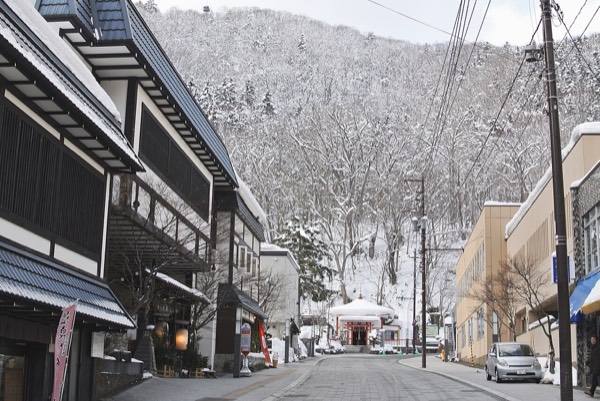
The biggest difference between choosing where to stay in Sapporo and choosing a hotel in Japan's other big cities is the winter pavement. From December to March, sidewalks are often packed snow and ice, and suitcase wheels barely turn. So rather than asking which area is liveliest, start with three questions: can you walk underground from your hotel to the station, how many changes does it take to drag your luggage to New Chitose Airport, and does your trip include Otaru, skiing or Jozankei's hot springs? This guide compares Sapporo Station, Odori, Susukino, Nakajima Park and Jozankei on those three points, and covers when to book for the Snow Festival and the accommodation tax introduced in 2026.
The short answer: which area of Sapporo?
Bottom line: most travelers should stay on the north-south line from Sapporo Station to Susukino, then fine-tune for their itinerary.
- First visit, lots of luggage, winter trip: Sapporo Station, south side. JR runs straight to the airport, and you can walk underground to Odori.
- JR day trips to Otaru, Teine for skiing or Asahikawa: Sapporo Station. One fewer change every day.
- Snow Festival, department stores and Tanukikoji: Odori. The festival's Odori site is on foot.
- Genghis Khan barbecue and izakaya late into the night: Susukino, on the quieter Odori side.
- Children, stays of a week or more, tight budget: Nakajima Park or the north side of Sapporo Station, accepting some street-level walking in winter.
- Hot springs: a few nights in the city, then add 1-2 nights in Jozankei.
- Very early flight home, or heavy snow forecast: move to the Sapporo Station area for the last night.
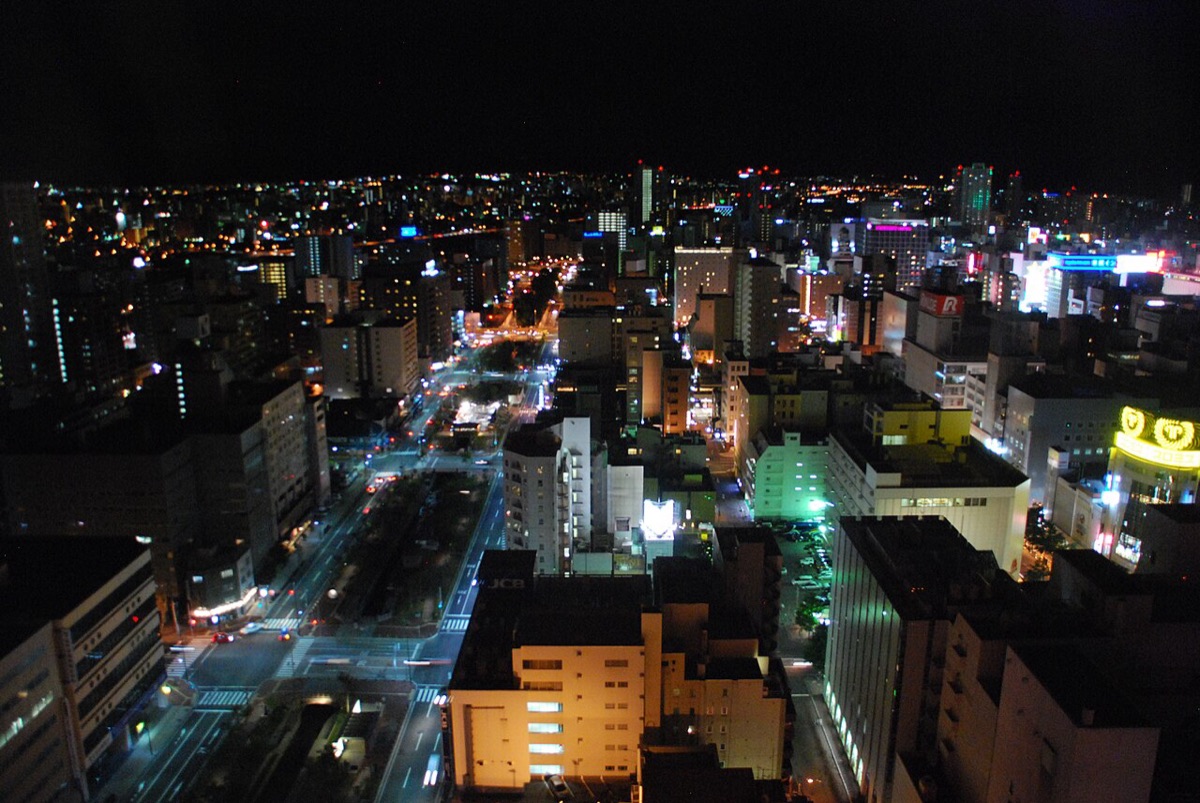
Sapporo Station, Odori, Susukino and Nakajima Park line up on the Namboku subway line one stop apart, so Sapporo Station to Nakajima Park is only three stops, and the minimum subway fare is 210 yen[11]. Distance between the areas is not the issue; what separates them is winter walking and airport access, covered below.
The winter key: is your hotel on the underground network?
Bottom line: Sapporo Station, Odori and Susukino are linked by an underground walkway and shopping streets, so a hotel with a direct entrance, or a minute or two from an underground exit, makes winter much easier.
Central Sapporo's underground route comes in roughly three sections:
- Around Sapporo Station: JR Sapporo Station and the subway's Sapporo Station are linked by underground passages and station malls.
- Sapporo Ekimae-dori Underground Walkway (Chi-Ka-Ho, チ・カ・ホ): opened on March 12, 2011[3], it runs about 520 m from the subway's Sapporo Station to Odori Station, about 10 minutes on foot, and is open 5:45-24:30[4]. Many buildings along it connect directly.
- Shopping streets south and east of Odori: Pole Town (ポールタウン) runs south from Odori to Susukino, and Aurora Town (オーロラタウン) runs east beneath Odori Park toward the Sapporo TV Tower. Most of their shops open 10:00-20:00[12].
In other words, you can get from JR Sapporo Station all the way to Susukino without going above ground[3]. Two things to watch: first, the underground shops close around 8 p.m., so if you're heading back from an izakaya late at night, follow the posted opening hours for the passages; second, the "5 minutes from the station" on booking sites is usually a street-level distance, and walking on snow in winter is noticeably slower. Before booking, check on a map whether the hotel says it is directly connected underground, or which numbered underground exit it is near.
Nakajima Park is not on this underground network. South of Susukino you take the subway or walk at street level, which is no problem in summer but worth factoring in if you're pulling luggage or traveling with children in winter.
How long from New Chitose Airport to each area?
Bottom line: Sapporo Station is the fastest and most reliable; if you stay in Susukino or Nakajima Park, compare "JR plus subway" with the direct airport bus.
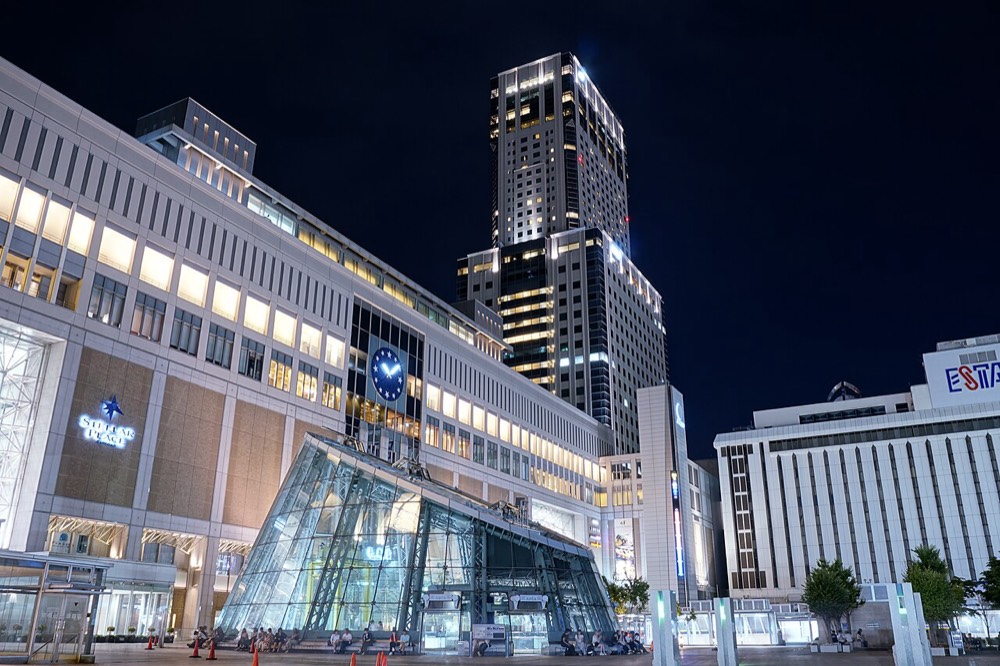
The JR Rapid Airport from New Chitose Airport to Sapporo Station costs 1,230 yen for adults; in the daytime the Special Rapid takes about 33-36 minutes at fastest and the Rapid 37 minutes at fastest, with about six trains an hour[2]. The airport bus costs 1,500 yen for adults, runs about every 10 minutes[5] and takes about 70 minutes on ordinary roads[6]. A taxi takes about 60 minutes and costs roughly 10,000-13,000 yen plus expressway tolls[6].
| Area | Recommended route | Approximate time | Winter reliability | Notes |
|---|---|---|---|---|
| Sapporo Station | JR Rapid Airport, direct | About 33-43 min (by train type)[2] | High | Walk underground to your hotel |
| Odori | JR to Sapporo Station, then 1 subway stop or walk Chi-Ka-Ho | JR time + about 10 min | High | The airport bus also stops at Odori Park[5] |
| Susukino | JR + 2 stops on the Namboku Line, or the airport bus | JR around 50 min; bus over an hour | JR high; bus depends on roads | Take the bus to avoid changing |
| Nakajima Park | JR + 3 stops on the Namboku Line, or the airport bus | JR about 1 hour; bus over an hour | Medium | Street-level walk from the subway station |
| Jozankei Onsen | To Sapporo Station first, then the Kappa Liner | About 60 min from Sapporo Station[9] | Medium | Bus needs a reservation; last bus is early |
If you have a lot of luggage, use the Rapid Airport's reserved "u-seat" (car 4) for an extra 1,000 yen, or 800 yen with a ticketless reserved seat ticket bought on Ekinet[2]. For transfers, luggage storage and where to catch your ride inside the airport, see the New Chitose Airport guide.
Sapporo Station, Odori, Susukino, Nakajima Park: who each suits, and who it doesn't
Bottom line: the differences between the four areas are clearest measured against two things, how much winter walking you'll do and how noisy your nights will be.
Sapporo Station (south and north sides)
- Suits: first-time visitors, travelers with lots of luggage, JR day trips and early flights home. The south side faces Odori and has the most malls and hotels, so on snowy days you can eat every meal in the station malls.
- Doesn't suit: people who want to walk to Susukino for drinks every night (two subway stops, or a stretch underground).
- Tip: the north side, toward Hokkaido University, has fewer shops and quieter nights, and rates are often a little lower than the south side; but it isn't along Chi-Ka-Ho, so check before booking whether you'll walk at street level between hotel and station.
Odori
- Suits: the Snow Festival, shopping in department stores and Tanukikoji, and anyone who wants to walk north to Sapporo Station and south to Susukino. Odori Station is where the Namboku, Tozai and Toho subway lines meet, which also makes Maruyama and Hokkaido Jingu easy.
- Doesn't suit: budget travelers during the Snow Festival, when the Odori area fills first and prices rise the most.
- Tip: Odori Park stretches a long way east to west. Hotels on the east side near the TV Tower can use Aurora Town underground; the further west you go, the fewer underground exits there are.
Susukino (すすきの)
- Suits: travelers whose trip revolves around dinner and late-night food, who can walk back to the hotel afterwards. For where to eat, see Sapporo food guide.
- Doesn't suit: light sleepers and families with children. Some blocks are nightlife districts, busy and loud late at night; the street-side "free information centers" (無料案内所) and touts are mostly for adult entertainment, and following a stranger into a bar can lead to a very large bill.
- Tip: pick a hotel on the Odori side, or east of Ekimae-dori, for more quiet; the Susukino-end exits of Pole Town make the walk easiest.
Nakajima Park
- Suits: families, long stays, and anyone who wants quiet without being far from the nightlife. The area is mostly mid-sized hotels and apartment-style stays, some with kitchenettes.
- Doesn't suit: solo travelers dragging big luggage in winter, or anyone taking JR every day.
- Tip: send large luggage straight from the airport to your hotel by delivery service; see the Japan luggage delivery guide.
Otaru, skiing at Teine or Jozankei: which area makes the easiest base?
Bottom line: Sapporo is the travel hub for central Hokkaido. The more JR day trips in your plan, the more you should stay at Sapporo Station; if hot springs are the focus, take the bus from Sapporo Station or Susukino.
- Otaru: some JR Rapid Airport trains run straight through to Otaru[2], so you can board at Sapporo Station without changing, which makes Sapporo Station the easiest base. For planning, see Otaru day trip.
- Sapporo Teine ski area (サッポロテイネ): about 40 minutes by car from the city center; by public transport, take JR to Teine Station, then a JR Hokkaido Bus for about 16 minutes[10]. There is also the "Big Runs" shuttle bus direct from major city hotels, sold with lift tickets as a package[10]; see the official site for which hotels it serves. For other resorts and gear, see the Hokkaido ski guide.
- Jozankei Onsen: Jotetsu Bus's Kappa Liner leaves from bay 27 at Sapporo Station, also stopping at Odori Nishi 1-chome and Susukino, and reaches the hot spring town in about 60 minutes; it costs 1,700 yen one way for adults, with a discount for online booking; all seats must be reserved (no assigned seats), bookings close at 17:00 the day before, and there were 11 trips a day when checked[9]. Winter timetables may change, so check again before you go.
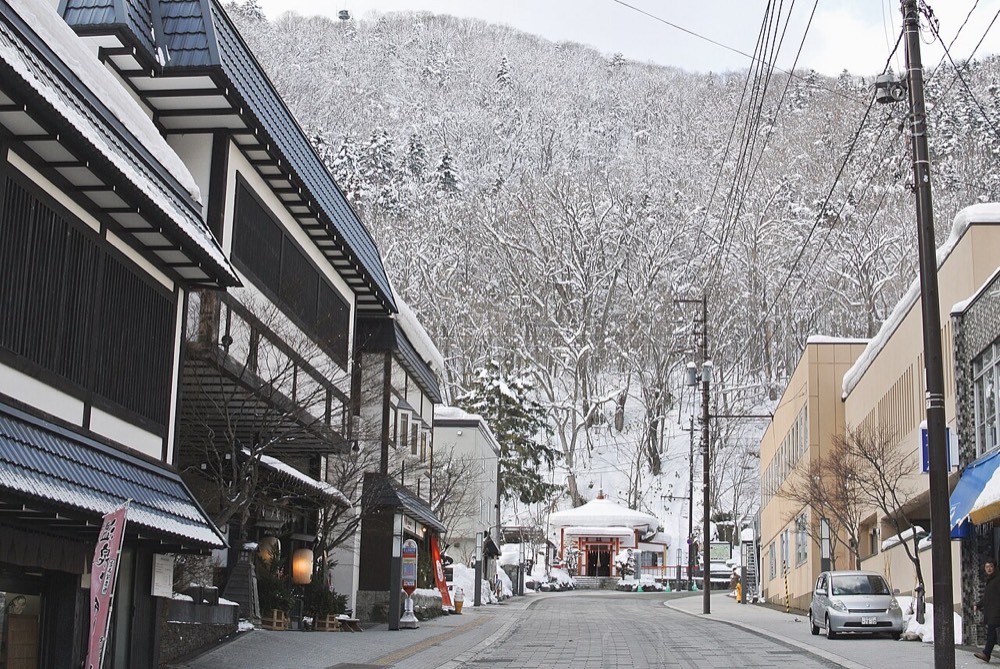
Most city-center hotels in Sapporo don't have natural hot springs. If you want a soak without a same-day round trip, a common plan is to spend the first nights at Sapporo Station or Odori and move to Jozankei for one night in the middle or at the end. For choosing a ryokan or a day-use bath, see the Jozankei Onsen guide.
Staying during the Sapporo Snow Festival: where are the sites, and when to book?
Bottom line: the 2027 Sapporo Snow Festival runs February 4-11[7]. The Odori and Susukino sites are both in the city center, so these two areas fill first; book as early as you can, starting with a free-cancellation plan.
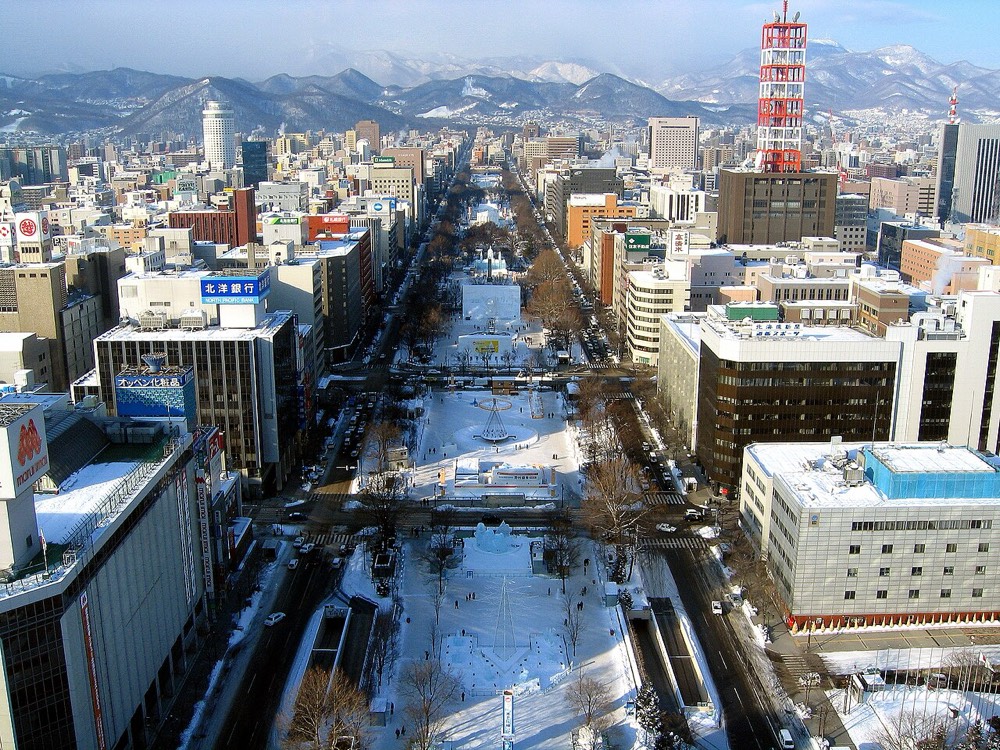
The three sites are Odori Park West 1-11 chome, the Susukino site on Ekimae-dori from South 4 to South 6, and Tsudome (Sapporo Community Dome) in the suburbs[7]. Staying at Odori or Susukino lets you walk to the snow and ice sculptures and skip the crowded subway after the evening illuminations; Tsudome is further out and needs transport from any area, so it's no reason to change where you stay.
Some things specific to Sapporo affect booking:
- Lunar New Year 2027 falls on February 6, right in the middle of the festival, bringing travelers from across Asia, so the whole city center is harder to book than usual.
- February 11 is a Japanese national holiday (National Foundation Day), so the festival's last day and the surrounding days also draw many domestic travelers.
- If you can't find a room, look along the subway lines: the north side of Sapporo Station, Nakajima Park, or outer stations on the Namboku and Tozai lines are mostly within ten-odd minutes of Odori by subway, which saves more time than staying in Otaru or Chitose and commuting.
For site layout, illumination times and transport details, see the Sapporo Snow Festival guide.
Sapporo accommodation tax: city plus prefectural tax from April 2026
Bottom line: from April 1, 2026, staying in Sapporo means paying Sapporo City's accommodation tax plus Hokkaido's accommodation tax, a combined 300-1,000 yen per person per night[1].
| Accommodation charge per person per night | Sapporo City | Hokkaido | Total |
|---|---|---|---|
| Under 20,000 yen | 200 yen | 100 yen | 300 yen |
| 20,000 to under 50,000 yen | 200 yen | 200 yen | 400 yen |
| 50,000 yen or more | 500 yen | 500 yen | 1,000 yen |
The tax is collected by the accommodation and applies to any stay with a check-in date on or after April 1, 2026, even if booked earlier[1]. Some other municipalities in Hokkaido charge their own accommodation tax as well, so if you're also visiting Otaru, Niseko, Hakodate or elsewhere, check the rates on the Hokkaido accommodation tax website[8].
Six common mistakes when booking a hotel in Sapporo
Bottom line: most of them come from choosing a winter hotel by summer standards.
- Trusting "5 minutes on foot": on snow it takes longer in practice, so favor hotels that say they are directly connected underground or are very close to an underground exit.
- Mistaking "Shin-Sapporo" for Sapporo Station: similarly named stations and districts can be some distance from the center, so check the map to make sure you're around Sapporo Station, Odori or Susukino.
- Staying in the heart of Susukino as a light sleeper: within Susukino, the night-time noise on the Odori side and in the middle of the entertainment streets is very different.
- Spending the last night far from JR: heavy snow can delay both JR and the roads, so with an early flight or unsettled weather, the Sapporo Station area is the safest last night.
- Booking non-refundable rooms for the Snow Festival: prices and flights can both change, so holding a room on a cancellable plan is safer.
- Assuming city hotels have hot springs: most don't have natural hot springs; for a soak, plan Jozankei, and note that the direct bus requires a reservation[9].
Before you go: how to plan it smoothly
- For a winter trip, mark Sapporo Station, Odori, Susukino and the underground network on a map first, then pick a hotel inside that area.
- JR is the most reliable way to and from the airport; if you're staying in Susukino or Nakajima Park and want fewer changes, check the bus stops on the new routes after December 11.
- With lots of JR day trips, stay at Sapporo Station; put hot springs in the middle or at the end, and book as early as possible for the Snow Festival.
- Budget for the accommodation tax, from 300 yen per person per night[1].
- For clothing and footwear, see the Hokkaido winter clothing guide; for more on transport and seasonal events, start with the Hokkaido travel overview.
FAQ
Where should I stay in Sapporo in winter to avoid walking on snow?
Choose the stretch from the south side of Sapporo Station through Odori to Susukino, at a hotel with a direct underground entrance or very close to one. Sapporo Station to Odori via Chi-Ka-Ho, then Odori to Susukino via Pole Town, is all underground; Nakajima Park means taking the subway or walking at street level, which is hardest in winter with luggage.
From New Chitose Airport to Susukino, is JR or the airport bus better?
The JR Rapid Airport reaches Sapporo Station in about 33-37 minutes at fastest, then it is two subway stops, which is the most reliable. The airport bus costs 1,500 yen for adults and goes straight to the Susukino area without changing, but it uses ordinary roads and takes over an hour, longer in snow traffic. Bus routes are reorganized from December 11, 2026, so check the official site first.
What if I can't find a hotel near Odori or Susukino during the Snow Festival?
Look along the Namboku and Tozai subway lines, such as the north side of Sapporo Station, Nakajima Park or stations further out; most are within about ten-odd minutes of Odori by subway. Hold a room with a free-cancellation plan and compare prices later, and avoid check-ins around the February 11 holiday and weekends for a better chance.
Can I do a day trip to Jozankei Onsen from central Sapporo?
Yes. The reservation-only Kappa Liner bus leaves from Sapporo Station, takes about 60 minutes and costs 1,700 yen one way for adults (cheaper when booked online), and many ryokan offer day-use baths. If you want a long soak and a ryokan dinner, staying one night is more relaxing than a same-day round trip.
How is the Sapporo accommodation tax charged?
From April 1, 2026, Sapporo City's and Hokkaido's accommodation taxes are charged together, tiered by the per-person nightly rate, for a total of 300, 400 or 1,000 yen, usually paid at the hotel on check-in or check-out. Booking-site totals don't always include it, so read the details when you book.
Sources
- Sapporo City | Accommodation tax (宿泊税について): Introduced April 1, 2026; tax bands, exemptions, how it is paid
- JR Hokkaido | New Chitose Airport access, Rapid Airport (快速エアポート): Sapporo-New Chitose Airport 1,230 yen, travel time, 6 trains per hour in the daytime, u-seat, through service to Otaru
- Sapporo City | Sapporo Ekimae-dori Underground Walkway (Chi-ka-ho, チ・カ・ホ): Opened March 12, 2011, linking JR Sapporo Station and Susukino underground
- Sapporo Travel (Sapporo Tourism Association) | Sapporo Ekimae-dori Underground Walkway: About 520 m long, about 10 minutes on foot, open 5:45-24:30
- Hokkaido Chuo Bus / Hokuto Kotsu | New Chitose Airport bus, Sapporo city-center service: Adults 1,500 yen, about every 10 minutes, routes reorganized from December 11, 2026
- Sapporo Travel (Sapporo Tourism Association) | Getting around: Airport bus about 70 minutes; taxi about 60 minutes and typical fares
- Sapporo Snow Festival official | Outline of the 2027 (77th) Sapporo Snow Festival: February 4-11, 2027; locations of the three sites
- Hokkaido accommodation tax portal (Hokkaido Government): Hokkaido accommodation tax introduced April 1, 2026; some municipalities charge their own tax
- Jotetsu Bus | Kappa Liner (かっぱライナー号): Sapporo Station-Jozankei about 60 minutes, fares, all seats reserved, number of trips
- Sapporo Teine | Access: About 40 minutes by car from the city center; about 16 minutes by bus from JR Teine Station; hotel shuttle bus
- Sapporo City Transportation Bureau | Fares (乗車料金): Minimum subway fare
- Sapporo Chikagai (Pole Town and Aurora Town): Shop hours 10:00-20:00 (some shops differ)
Fares, opening hours and event dates can change. Information checked on 2026.11.02; please confirm with official sources before you go.