Koyasan Shukubo Guide: How to Choose a Temple Stay, Shojin Ryori and Morning Prayers, Okunoin Night Tours and Access from Osaka
Koyasan shukubo guide: compare temple stay prices at Komyoin, Jimyoin, Ekoin and Fukuchiin, shojin ryori, morning prayers, Okunoin night tours and Nankai tickets.
Quick answer
A shukubo is lodging run by a temple. On Koyasan the rate usually includes a shojin ryori (Buddhist vegetarian) dinner and breakfast, and guests can join the morning prayer service the next day. On Jalan (November 5, 2026), two-meal rates for two adults sharing start at about ¥15,000 (Komyoin) to ¥20,000 per person for basic rooms, usually without a private bath or toilet; rooms with a bathroom start at about ¥30,000. From Namba, the Nankai Koya Line to Gokurakubashi plus the cable car to Koyasan Station takes about 1.5 hours, and the Koyasan World Heritage Ticket from Namba costs ¥4,210 for adults, covering the round trip and two days of buses on the mountain.
Want to stay at a Koyasan shukubo but not sure how to choose among so many temples, what a night costs or how early you have to get up? Using rates we actually checked, this guide compares Komyoin, Jimyoin, Ekoin, Fukuchiin and Ichijoin, explains shojin ryori, the morning prayer service, ajikan meditation and curfews, then covers getting to Koyasan from Osaka Namba, Nankai's World Heritage Ticket, the Okunoin night tour and a two-day plan. Information checked in November 2026.
What is a Koyasan shukubo, and how is it different from a ryokan?
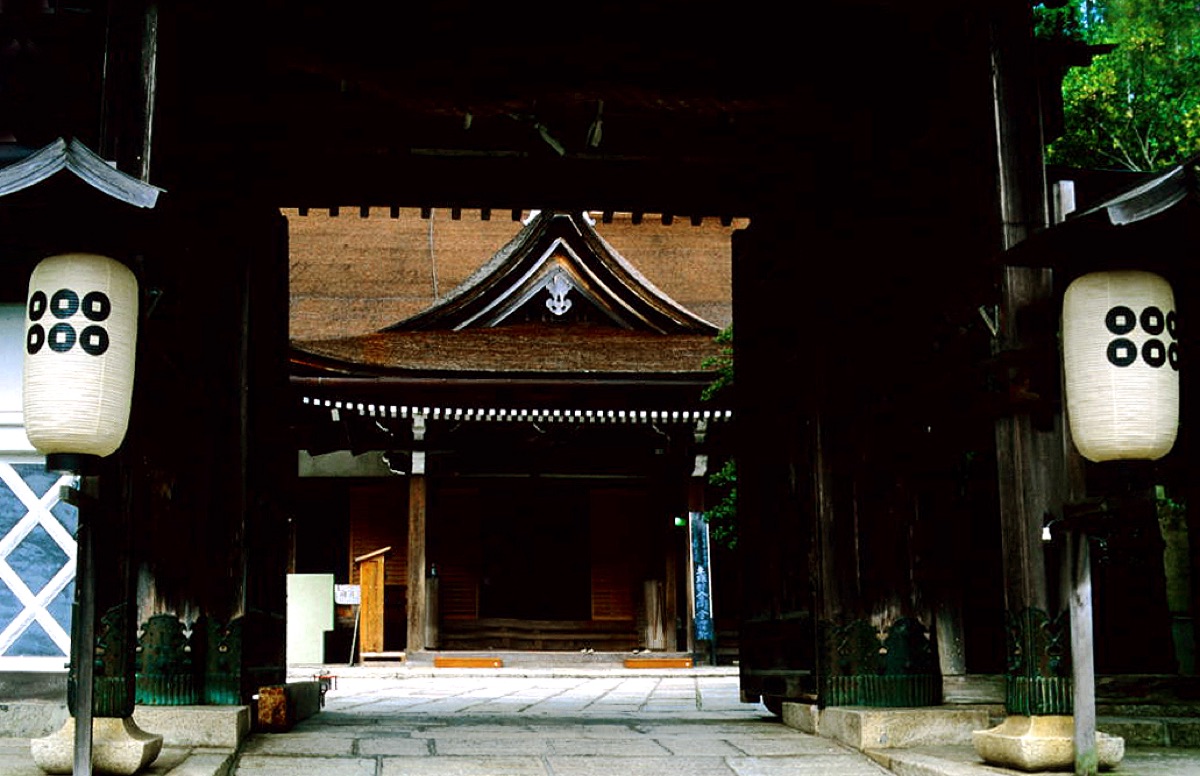
A shukubo (しゅくぼう) is lodging attached to a temple for pilgrims to stay overnight. Koyasan (こうやさん) is a mountain in northern Wakayama Prefecture and the sacred center of Shingon Buddhism founded by Kobo Daishi Kukai. Many of its temples take overnight guests, and the Koyasan Shukubo Association acts as their umbrella organization[7].
Compared with a hot spring ryokan, a shukubo has a few constants:
- Meals are shojin ryori: no meat, fish or eggs, made from vegetables, beans, seaweed, Koya-dofu and sesame tofu. Dinner and breakfast are usually included in the rate.
- Morning prayers at dawn: mostly between 6 and 7 a.m. Guests can sit at the back of the main hall and listen to the monks chant, and some temples follow with a goma fire ritual. Fukuchiin's morning service is daily at 6:00[8].
- Mostly Japanese-style rooms: cheaper rooms usually have no bath or toilet, so you use shared baths and toilets.
- Curfews: temples close at night. Fukuchiin's gate closes at 21:00 and opens at 6:30[8], and Ichijoin lists a curfew of 20:00[10].
- Early check-out: usually between 9:00 and 10:00.
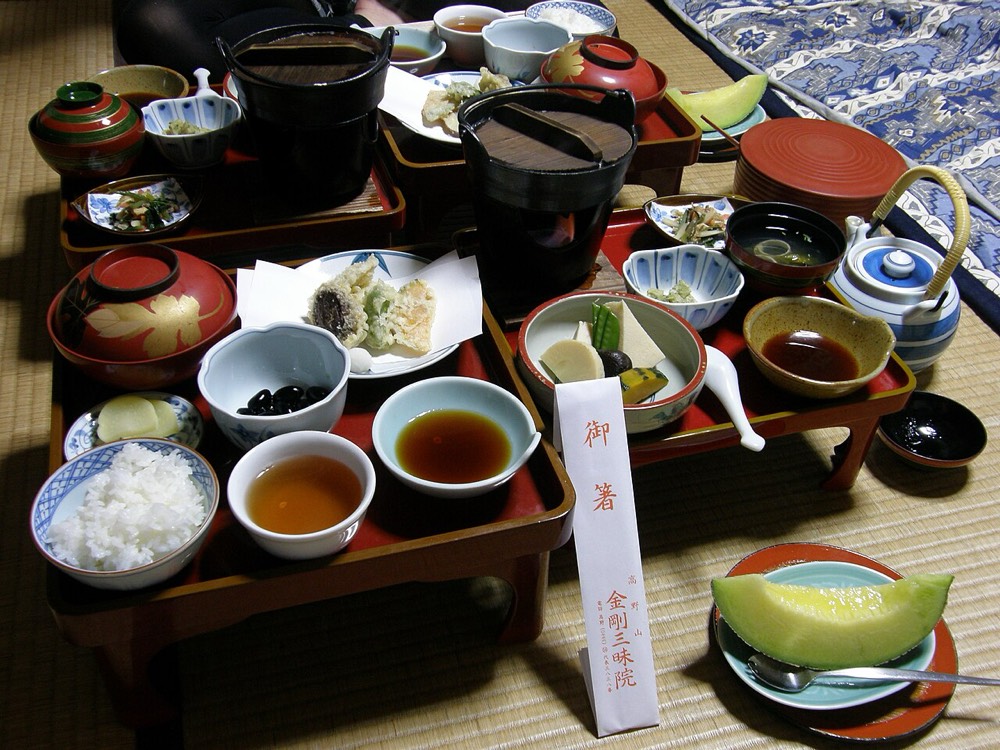
Note that shojin ryori is not automatically safe for every allergy. Broths often use kombu and shiitake, and sesame and soy products are common. If you have allergies or need to avoid gluten, say so clearly when you book. Ekoin offers dedicated gluten-free shojin ryori plans on Jalan[13]; ask other temples individually.
How to choose a Koyasan shukubo: prices and facilities at 5 temples
The short answer: if you mainly want the experience on a budget, pick a basic room without a private bath or toilet, from about ¥15,000–20,000 per person with two meals. For a room with its own bath, toilet or hot spring access, expect about ¥30,000 per person and up. The prices below are the lowest per-person rates found on Jalan on November 5, 2026, for two adults sharing a room (tax included, dinner and breakfast included). Actual prices vary by date, room type and meal grade.
| Shukubo | Basic room (per person, 1 night, 2 meals) | Upgrades | Bath/toilet | Check-in / check-out | Highlights |
|---|---|---|---|---|---|
| Komyoin | From ¥15,000 | Three-tray dinner plan priced separately | No private bath or toilet | 15:00 / 9:30 | Plan includes meditation, sutra copying and goma[11] |
| Jimyoin | From ¥15,400 | Deluxe shojin plan from ¥19,800 | No private bath or toilet | 15:00 / 10:00 | Main hall and courtyard garden open to stroll[12] |
| Ekoin | From ¥18,000 (compact 6-mat room) | Detached rooms with bath from about ¥30,000; suites from ¥72,000 | None in basic rooms; detached rooms and suites have them | 14:00 / 10:00 | Daily morning goma; free ajikan meditation and sutra copying[13] |
| Fukuchiin | From ¥20,000 | Room with toilet from ¥23,150; garden-facing room with toilet from ¥29,300 | None in basic rooms; some room types have a toilet | 15:00 (last 19:00) / 9:00 | The temple says it has Koyasan's only natural hot spring; garden by Shigemori Mirei[8][14] |
| Ichijoin | See official site | Main-building rooms have a bath and beds | Yes in main building | See official site | Curfew 20:00; book up to 11 months ahead on the official site[10] |
(Source: Jalan plan pages for each temple, Fukuchiin and Ichijoin official sites, checked November 5, 2026)
Matching a shukubo to your needs
- First stay, money better spent on experiences: a basic plan at Komyoin or Jimyoin is enough. You will walk to a shared toilet at night, though; if that bothers you, pay extra for a room with a toilet.
- Want to join the Okunoin night tour: check the curfew first. The tour ends around 20:20, so temples with a 20:00 curfew (such as Ichijoin) won't work; Ekoin lists the night tour among its own experiences[9].
- Want a hot bath: Fukuchiin's large bath uses hot spring water, but guests with tattoos cannot use it, and it is not open to day visitors[8].
- Two or more people who want privacy: choose a detached room or suite with its own bathroom; prices approach those of a regular onsen ryokan.
Where to book
- Temple official sites: Ekoin and Ichijoin both say their official site has the best rates and takes bookings up to 11 months ahead[9][10].
- The Koyasan Shukubo Association's official booking site: currently mostly request-based, where the temple confirms after you submit; instant online booking is being added gradually[7].
- Japanese booking sites: Jalan, Rakuten Travel and others let you compare and pay directly.
When booking, confirm three things: whether the room has a toilet, what time dinner starts, and what time the gate closes.
Shojin ryori, morning prayers and ajikan: what you can experience in one night
The best part of a shukubo stay is the stretch from evening to dawn. Once the day visitors leave by bus, most shops on the mountain close by early evening and only the sound of chanting remains in the temples.
The morning prayer service is the heart of a shukubo stay. You don't have to chant along; just be seated on time and don't take photos unless the temple allows it. Afterward, some temples have a monk give a short talk or hold a goma ritual, with flames rising before the altar, and many people find this the most memorable part of the trip.
Ajikan (あじかん) is a Shingon meditation practice. If your shukubo doesn't offer it, you can join Kongobu-ji's "Chotto Hitoiki Ajikan Taiken" (a short ajikan experience)[5]:
| Item | Details |
|---|---|
| Location | Kongobu-ji Ajikan Dojo (an area normally closed to the public) |
| Period | Fridays, Saturdays, Sundays and national holidays, April–November 2026 |
| Sessions | 9:00, 11:00, 13:30 and 15:30; about 1 hour each, 14 people |
| Fee | ¥1,000 (elementary school age and up), plus Kongobu-ji admission |
| How to apply | Same day at the Kongobu-ji Betsuden sales counter; tablets at the Shukubo Association's Central Information Center or Nakanohashi Information Center (credit card only); or the Koyasan Sankeiko booking website |
| Language | Instruction in Japanese, with English text available |
Phone reservations are not accepted, and weekend slots in the autumn leaf season fill quickly, so it is safer to sign up as soon as you arrive in the morning. Sutra copying is held at the Koyasan Daishi Kyokai, accepting participants daily 8:30–15:00, for ¥1,500[5].
How do I get to Koyasan from Osaka? Route and travel time
The short answer: take the Nankai Koya Line from Namba to the terminus at Gokurakubashi, transfer to the Koyasan Cable Car up to Koyasan Station, then ride a Nankai Rinkan bus into town. The Limited Express Koya takes about 90 minutes to Koyasan Station and the Express about 110 minutes[19]; the cable car itself takes about 5 minutes, and the bus to the Senjuinbashi area adds about 10-plus minutes.
- Namba Station (なんば): the Koya Line platforms at Nankai Namba. It is about a 10-minute walk from Namba Station on the Osaka Metro Midosuji Line[20].
- Limited Express Koya (all seats reserved) or Express: the limited express needs a separate limited express ticket; the express doesn't but is slower. South of Hashimoto the line climbs through the mountains with great views.
- Transfer to the cable car at Gokurakubashi: the platform connects directly to the Koyasan Cable Car station, and a pass or through ticket lets you board directly.
- Transfer to the bus at Koyasan Station: there is no train on the mountain, so you reach Kongobu-ji, Senjuinbashi and Okunoin by bus or on foot. Most shukubo are near a bus stop; note the nearest stop name when you book.
From Kansai Airport, Nankai suggests taking the rapi:t or the Airport Express to Tengachaya and changing to the Koya Line there[19], so you don't need to go back to Namba. For airport-to-city routes, see our Kansai Airport to Osaka transport guide.
The new tourist train for 2026: GRAN TENKU
Nankai's former tourist train Tenku has been retired, and from April 24, 2026, the new GRAN TENKU runs between Namba and Gokurakubashi in about 1 hour 30 minutes one way[17]. According to the announcement, it makes two round trips a day, departing Namba at 9:00 and 12:45 and Gokurakubashi at 10:46 (10:48 on weekends and holidays) and 14:58, and does not run on Wednesdays or the 2nd and 4th Thursdays of each month[17].
Seats in cars 1 and 2 cost ¥1,700 for adults from Namba to Gokurakubashi, or ¥3,130 including the fare; the Gran Seat in car 4 with a meal and free-flowing drinks costs ¥13,430[16]. Times and prices may change, so check the Nankai website before you ride.
How to buy the Koyasan World Heritage Ticket: price and contents
The short answer: from Namba, the paper ticket costs ¥4,210 for adults and the digital ticket ¥3,980. It includes a round trip to Koyasan Station, a two-day pass for buses on the mountain and admission discount coupons, valid for two consecutive days, which fits a one-night shukubo stay neatly[1][2]. Prices rose on April 1, 2026, and the old ¥3,540 price no longer applies[3].
| Version | Adult | Child | How to buy |
|---|---|---|---|
| Koyasan World Heritage Ticket (paper) | ¥4,210 | ¥2,110 | Ticket counters at major Nankai stations |
| Same, with outbound limited express ticket | ¥5,200 | ¥2,600 | Same |
| Koyasan World Heritage Digital Ticket | ¥3,980 | ¥2,000 | Smartphone web, credit card |
| Same, with outbound limited express ticket | ¥4,910 | ¥2,460 | Same |
(Prices from Namba Station; for other stations see the Nankai website. Checked November 2026[1][2])
What the ticket covers
- A round-trip ticket from your departure station to Koyasan Station (including the cable car). The limited express ticket covers the outbound trip only; buy another if you want the limited express back.
- Two days of unlimited rides on Nankai Rinkan bus routes on Koyasan, excluding the Tatsusato, Koya-Ryujin and Kyoto-Koyasan lines[1].
- Discount coupons for Kongobu-ji, the Kondo, Konpon Daito and the Reihokan, plus discounts or gifts at some souvenir shops and restaurants; benefits may change[2].
Paper or digital?
- Paper: buy at the 2F service center or 3F limited express ticket office at Namba, or at Shin-Imamiya, Tennoji, Kansai Airport and other stations, with cash or card. Unused tickets can be refunded where you bought them for a ¥520 fee[1].
- Digital: ¥230 cheaper, on sale from one month before your travel date. Same-day tickets are sold only until 15:00, you can buy up to 8 at once, and you can't buy child tickets alone. If your phone dies or is lost, the ticket can't be used or reissued[2].
Nankai also sells the Visit Koya Ticket for overseas visitors through overseas booking platforms. It bundles a round-trip ticket with a two-day bus pass; check the platform page for the price.
Kongobu-ji and Danjo Garan admission and the combined ticket
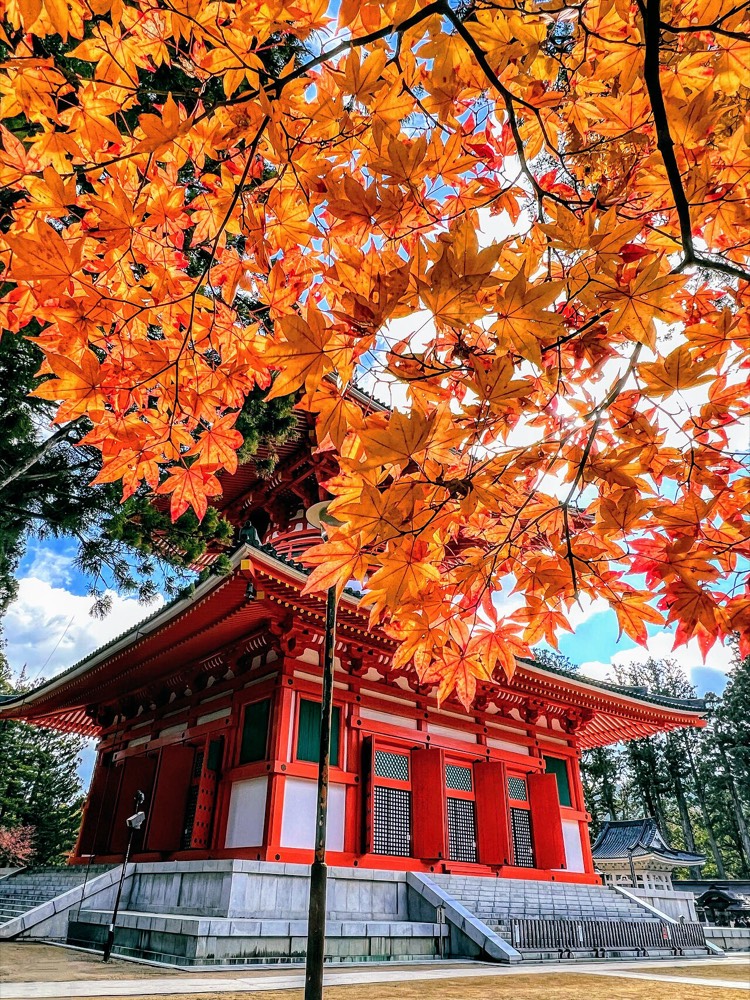
The two sacred centers on the mountain are Danjo Garan and Okunoin. Kongobu-ji is the head temple of Koyasan Shingon Buddhism, and from Kongobu-ji you can walk to Danjo Garan along the small path called Jabara-michi.
| Site | Junior high school and up | Elementary school | Hours |
|---|---|---|---|
| Kongobu-ji | ¥1,000 | ¥300 | 8:30–17:00 (last entry 16:30) |
| Kondo | ¥500 | Free | 8:30–17:00 (last entry 16:30) |
| Konpon Daito | ¥500 | Free | 8:30–17:00 (last entry 16:30) |
| Tokugawa Mausoleum | ¥200 | Free | 9:00–16:30 |
| Jukai precepts ceremony (Daishi Kyokai) | ¥1,000 | ¥1,000 | Hourly 9:00–16:00 |
| Reihokan Museum | General ¥1,300 (high school and university students ¥800) | ¥600 (elementary and junior high) | 9:00–17:00 |
| Combined ticket (諸堂共通内拝券) | ¥2,500 | Not available | Covers Kongobu-ji, Kondo, Konpon Daito, Tokugawa Mausoleum and Jukai |
(Source: Kongobu-ji official site, checked November 2026[4])
Buying all five separately costs ¥3,200, so the combined ticket saves ¥700, but it doesn't include the Reihokan. If you only visit Kongobu-ji, Konpon Daito and the Kondo, separate tickets total ¥2,000, cheaper than the combined ticket, so you don't always need it.
In November 2026, some areas are closed at certain times for ceremonies[6]:
- November 11, 12:00–17:00: the Okuden at Kongobu-ji is closed.
- November 13, 10:00–12:00: the Jodan-no-ma and Ohiroma are closed.
- November 16: Jodan-no-ma and Ohiroma closed 10:00–12:00 and the Okushoin closed 12:00–15:00; the sutra copying room at the Daishi Kyokai is unavailable all day.
The temple also warns that schedules may change at short notice, so check that day's notice before buying the combined ticket.
How to visit Okunoin: the daytime approach and the night tour
Okunoin is the sacred site where Kobo Daishi is believed to remain in eternal meditation. The approach from Ichinohashi Bridge to the mausoleum is about 2 km, lined with centuries-old cedars and more than 200,000 graves and memorials, from feudal warlords to ordinary people[19]. The Torodo Lantern Hall in front of the mausoleum is open 6:00–17:00[4], and there is no admission fee.
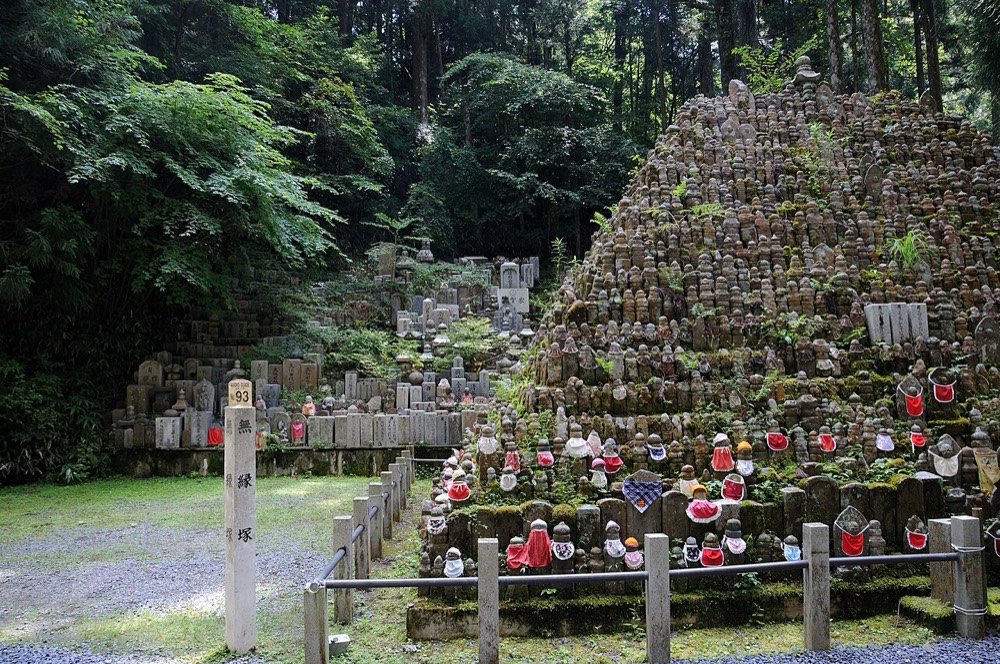
By day: take the bus to Okunoin-guchi and walk the full 2 km from Ichinohashi, which takes about an hour at a sightseeing pace. If you are short on energy, ride to Okunoin-mae and enter from the Nakanohashi side for a shorter walk. Photography is prohibited around the mausoleum, so put your camera away once you cross Gobyobashi Bridge.
At night: the Okunoin Night Tour run by AWESOME TOURS meets at 19:00, with check-in at the counter inside the shop and café Taira on the mountain. It lasts about 1 hour 30 minutes and ends around 20:20 at the Okunoin Gokusho, and the return bus is included[15]. The Japanese-language tour is listed on asoview from ¥4,300, for elementary school age and up, bookable until 17:00 on the day, and it runs rain or shine[15]. English-language and private tours are separate plans at different prices.
Before joining the night tour:
- You walk about 3 km at night, and stone paths without lights are very dark; wear good shoes and bring your own rain gear if it rains[15].
- Strollers and wheelchairs are not allowed, and yukata are not suitable.
- Your shukubo's gate must close after the tour ends and you get back, or arrange a late return with the temple in advance.
Koyasan autumn leaves and winter: when is the best time to go?
Koyasan's autumn leaves usually look best from late October to early November[19]. Colors are late in 2026: tenki.jp still showed the status as before peak on November 5[18], so there is still a chance before mid-November. The area around Danjo Garan and the Jabara-michi path from Kongobu-ji to Danjo Garan are the main viewing spots, and Jabara-michi is lit up at night during the peak. For other autumn leaf spots, see our Osaka autumn leaves guide and Japan autumn leaves forecast.
Weekends in the leaf season are the hardest time to book a shukubo, so book a month or two ahead; weekday stays are much easier.
Winter (December to March) on Koyasan is cold. At about 800 meters, mornings and evenings are often below freezing, and snow and icy roads are common. Most shukubo are wooden, and corridors and main halls are unheated, which makes the morning service especially cold. Rooms are heated, but bring thermal underwear, thick socks and non-slip shoes. Renting a car to drive up in winter is not recommended; the train, cable car and bus are the most reliable.
Sample 2-day Koyasan itinerary from Namba
This example assumes a Friday or weekend check-in and the Limited Express Koya. Times are a relaxed guide.
| Time | Day 1 |
|---|---|
| Around 9:30 | Limited Express Koya from Namba (World Heritage Ticket with outbound limited express ticket) |
| Around 11:00 | Arrive at Koyasan Station, bus to Senjuinbashi, leave your bags at the shukubo |
| 11:30 | Lunch (sesame tofu or a shojin lunch) |
| 12:45 | Visit Kongobu-ji; ajikan experience at 13:30 |
| 14:45 | Walk Jabara-michi to Danjo Garan; Konpon Daito and Kondo (enter before 16:30) |
| 16:00 | Check in at the shukubo and take a bath |
| Evening | Shojin ryori dinner (time depends on the temple) |
| 19:00 | Okunoin night tour, ending around 20:20; bus back to the shukubo |
| Time | Day 2 |
|---|---|
| Around 6:00 | Morning prayers and goma |
| 7:00 | Breakfast |
| 9:00 | Check out (leave bags), walk the Okunoin approach from Ichinohashi to the mausoleum |
| 11:00 | Reihokan Museum or Tokugawa Mausoleum |
| 12:00 | Lunch; buy Koya-dofu and sesame tofu as souvenirs |
| Around 13:30 | Cable car down from Koyasan Station, back in Namba around 15:00 |
There is no ajikan experience Monday to Thursday, so swap that slot for sutra copying or the jukai ceremony at the Daishi Kyokai. To fit Koyasan into a longer Osaka trip, see our 5-day Osaka itinerary and swap the Nara or Kyoto day for Koyasan.
Who is a Koyasan shukubo stay for, and who should skip it?
Good fit:
- People who want to experience temple life or are interested in Buddhism and Japanese religious culture.
- Vegetarians, or anyone curious about shojin ryori.
- People happy to go to bed early, rise early and enjoy quiet nights in the mountains.
- Solo travelers: Ekoin and some other shukubo have rooms suited to one guest[9].
Not a good fit:
- People who must have a private bathroom but have a budget of only ¥10,000-something may be disappointed.
- People who want to shop, drink or eat yakiniku at night: almost everything on the mountain closes by early evening, and shukubo don't allow noise.
- If you only want a day trip, you can visit Kongobu-ji and Okunoin by day and stay in Osaka; for choosing a city base, see where to stay in Osaka.
- Travelers with limited mobility or strollers: temples have many steps and tatami, and the Okunoin approach is stone steps and gravel.
Before you go: how to plan it smoothly
- Book the shukubo first, then the ticket: the World Heritage Ticket is valid for two consecutive days, so buying the digital version once your dates are fixed saves money.
- Don't bring large luggage up the mountain: the Limited Express Koya has limited luggage space, and the cable car and buses get crowded on weekends. Leave large bags at your Osaka hotel or in station lockers and bring only what you need for one night.
- Carry some cash: temple offerings, donations or small shops may not take cards.
- Respect the temple schedule: dinner, bath and lights-out have set times, so phone ahead if you will be late.
For more on accommodation, see our accommodation guides.
FAQ
How much does a night at a Koyasan shukubo cost?
For two people sharing a room with dinner and breakfast, the lowest rates on Jalan start at about ¥15,000 per person (Komyoin, Jimyoin), and basic rooms at Ekoin and Fukuchiin start at about ¥18,000–20,000. If you want your own bath and toilet, you usually need a detached room or special room from about ¥30,000 per person, and weekends and the autumn leaf season cost more.
Do I have to attend the morning prayer service at a shukubo?
Most shukubo welcome guests to attend, but it is not mandatory. Fukuchiin holds its morning service daily at 6:00, and other temples usually start a little after 6 a.m.; you are told the time at check-in. Dress neatly and stay quiet. You do not need to be Buddhist.
Do Koyasan shukubo have a curfew? Can I go out at night?
Most shukubo close their gates at night. Fukuchiin's gate closes at 21:00 and opens at 6:30 the next morning, and Ichijoin lists a curfew of 20:00. If you want to join an Okunoin night tour starting at 19:00, first check whether your temple's closing time allows it.
Is the Koyasan World Heritage Ticket worth it?
Usually yes if you start around Namba, stay one night on the mountain and ride the local buses. The paper ticket from Namba costs ¥4,210 for adults and the digital version ¥3,980. It includes a round trip to Koyasan Station, two days of Nankai Rinkan buses on Koyasan and discount coupons for Kongobu-ji and other sites, valid for two consecutive days.
When are the autumn leaves best at Koyasan?
In a typical year the leaves peak from late October to early November, usually earlier than in the lowlands. 2026 is running late: on November 5, tenki.jp still showed the status as before peak, so check the current status before you go. Danjo Garan and the Jabara-michi path between Kongobu-ji and Danjo Garan are the main viewing spots.
What should I know about visiting Koyasan in winter?
Koyasan sits at about 800 meters, so winter mornings and evenings are often below freezing, and snow and icy roads are common. Shukubo corridors and halls are usually colder than a hotel, so bring warm layers and non-slip shoes. Driving up in winter is not recommended; the train, cable car and bus are the most reliable.
Sources
- Nankai Electric Railway | Koyasan World Heritage Ticket (高野山・世界遺産きっぷ): Paper ticket prices, contents, validity, sales stations, refund fee
- Nankai Electric Railway | Koyasan World Heritage Digital Ticket: Digital ticket prices, how to buy, same-day sales cutoff, coupons
- Nankai Electric Railway | Revision of special ticket prices (February 26, 2026): New prices from April 1, 2026
- Kongobu-ji | Admission fees and hours: Hall admission fees, hours, combined ticket
- Kongobu-ji | Experiences: Ajikan meditation schedule, fee and booking; sutra copying
- Kongobu-ji | November viewing restrictions: Areas closed for ceremonies in November 2026
- Koyasan Shukubo Association: Association contact and official booking site
- Koyasan Onsen Fukuchiin | Shukubo: Room types, check-in/out, morning service, gate hours
- Koyasan Shukubo Ekoin official site: Experiences, official booking
- Koyasan Ichijoin official site: Main building rooms, curfew, official booking
- Jalan | Shukubo Komyoin rates and plans: Lowest two-meal rate, bath/toilet, check-in/out
- Jalan | Koyasan Jimyoin rates and plans: Lowest two-meal rate, bath/toilet, check-in/out
- Jalan | Koyasan Shukubo Ekoin rates and plans: Lowest two-meal rates by room type, check-in/out
- Jalan | Koyasan Onsen Fukuchiin rates and plans: Lowest two-meal rates by room type
- asoview! | Official Koyasan Okunoin Night Tour: Meeting time and place, duration, price, notes
- Norimono News | Nankai GRAN TENKU times and fares: Operating days, stops, seat charges
- Tetsudo Channel | Nankai's new tourist train GRAN TENKU debuts April 24, 2026: Launch date and timetable
- tenki.jp | Koyasan autumn leaves: Peak forecast and status on November 5, 2026
- Nankai Electric Railway | Koyasan autumn leaves and World Heritage Ticket notice: Typical leaf season, length of the Okunoin approach, travel times
- Koya Town Tourist Association | Access: Routes and travel times from Osaka
Fares, opening hours and event dates can change. Information checked on 2026.11.05; please confirm with official sources before you go.